
Ever walk down into someone’s basement and completely forget you’re underground.
But none of that has to mean the space feels like an afterthought. Let’s go through what actually makes a basement feel like a real, intentional part of the house.
Why Basement Decor Ideas Need a Slightly Different Playbook
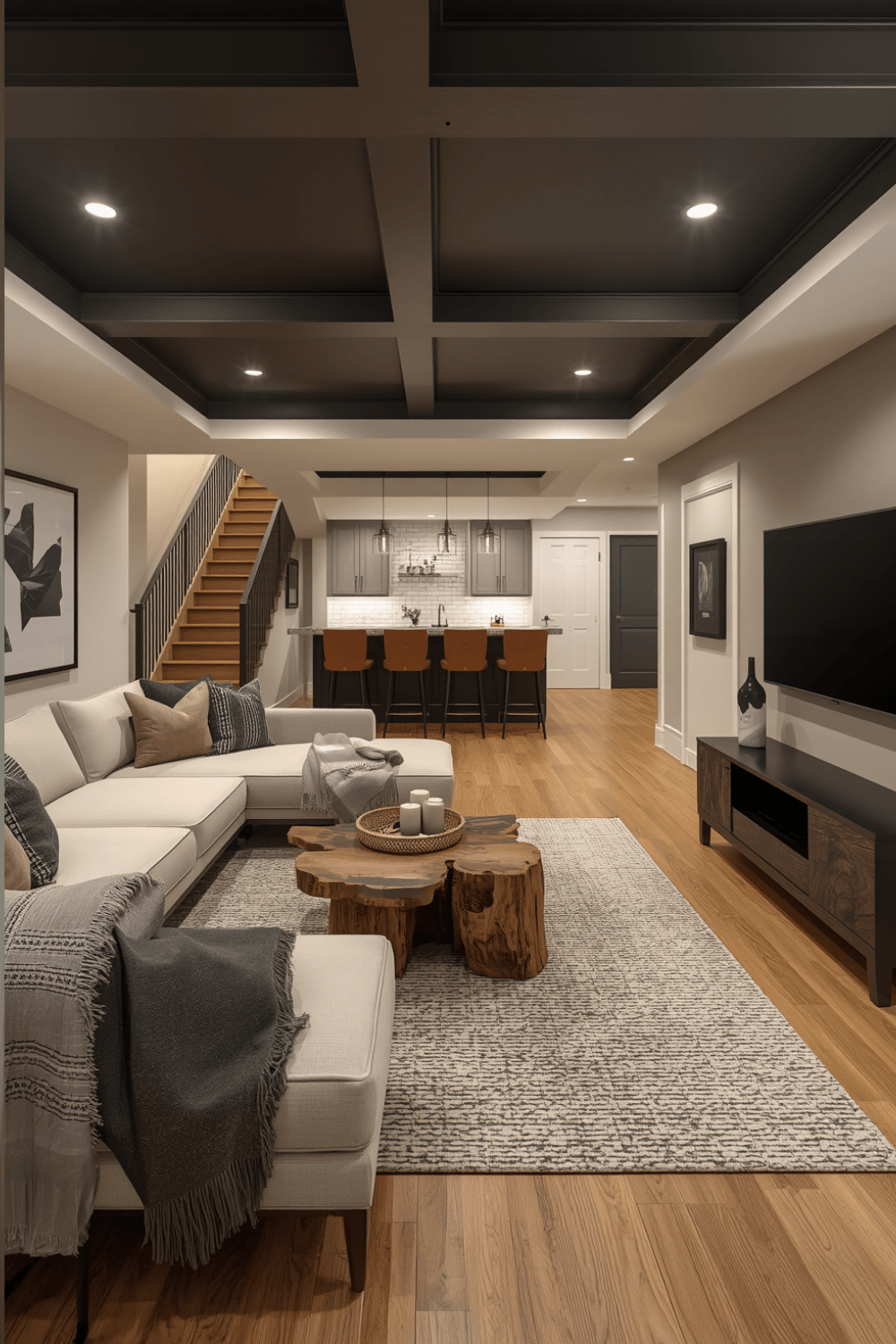
What works upstairs doesn’t always work below grade. Dark colors that look moody in a sunlit living room can feel like a cave in a basement with only small windows. Furniture that’s fine in a bright room can look flat and lifeless without the natural light to bring out its texture.
Good basement decor ideas account for these differences from the start, rather than just copying the design choices from the rest of the house and hoping for the best.
Planning the Big Picture First
1. Finished Basement Ideas
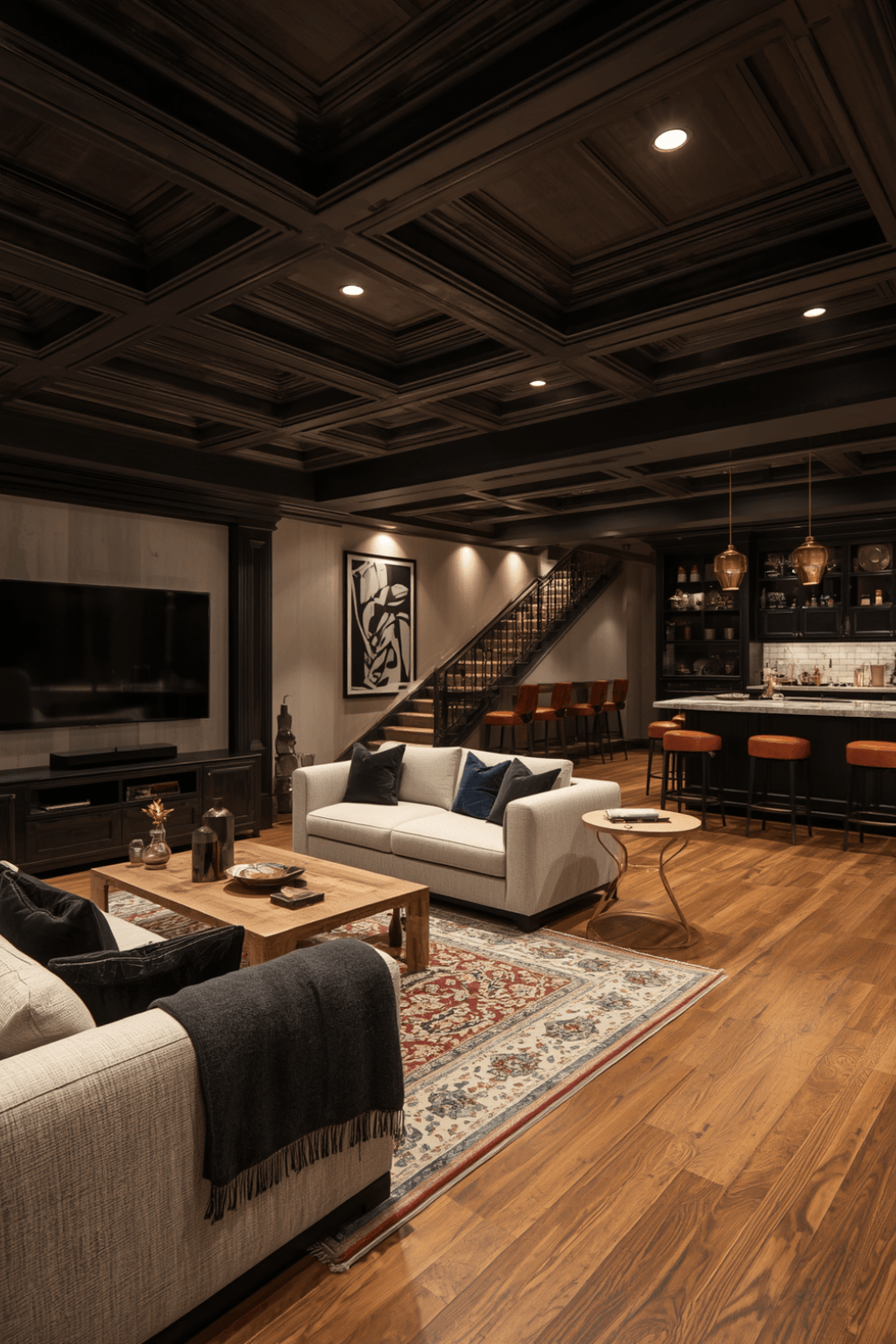
Finished basement ideas start well before paint colors or furniture. Address moisture and insulation first, since no amount of good decor survives a damp, musty room for long. Once the bones are solid, everything else, flooring, lighting, layout, gets to actually matter.
2. Basement Remodel Ideas
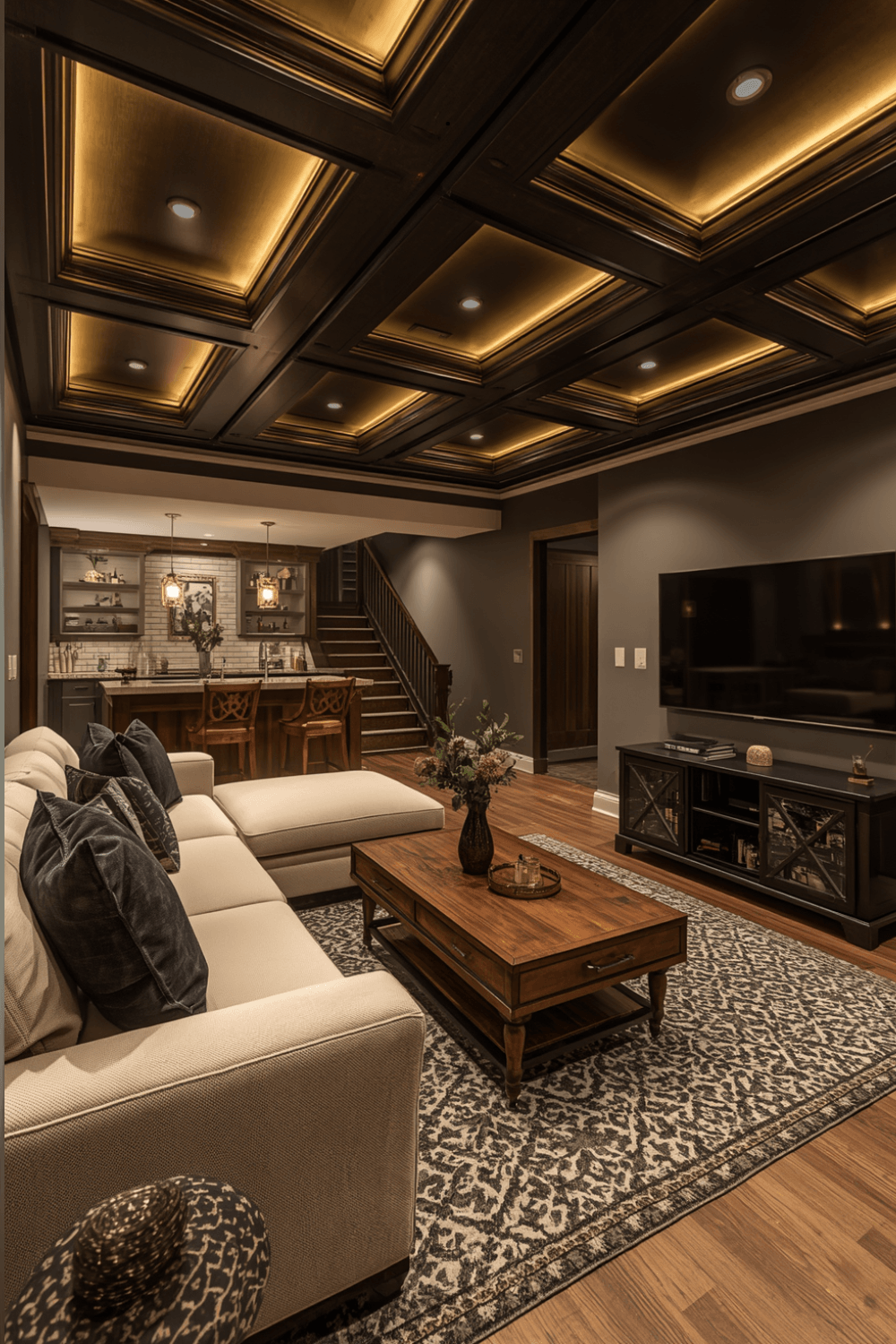
Basement remodel ideas that consistently pay off: raising the perceived ceiling height with light paint and minimal crown molding, adding proper lighting layers to compensate for limited natural light, and choosing moisture-resistant flooring like luxury vinyl plank instead of carpet in areas near plumbing.
3. Basement Remodeling Ideas on a Budget
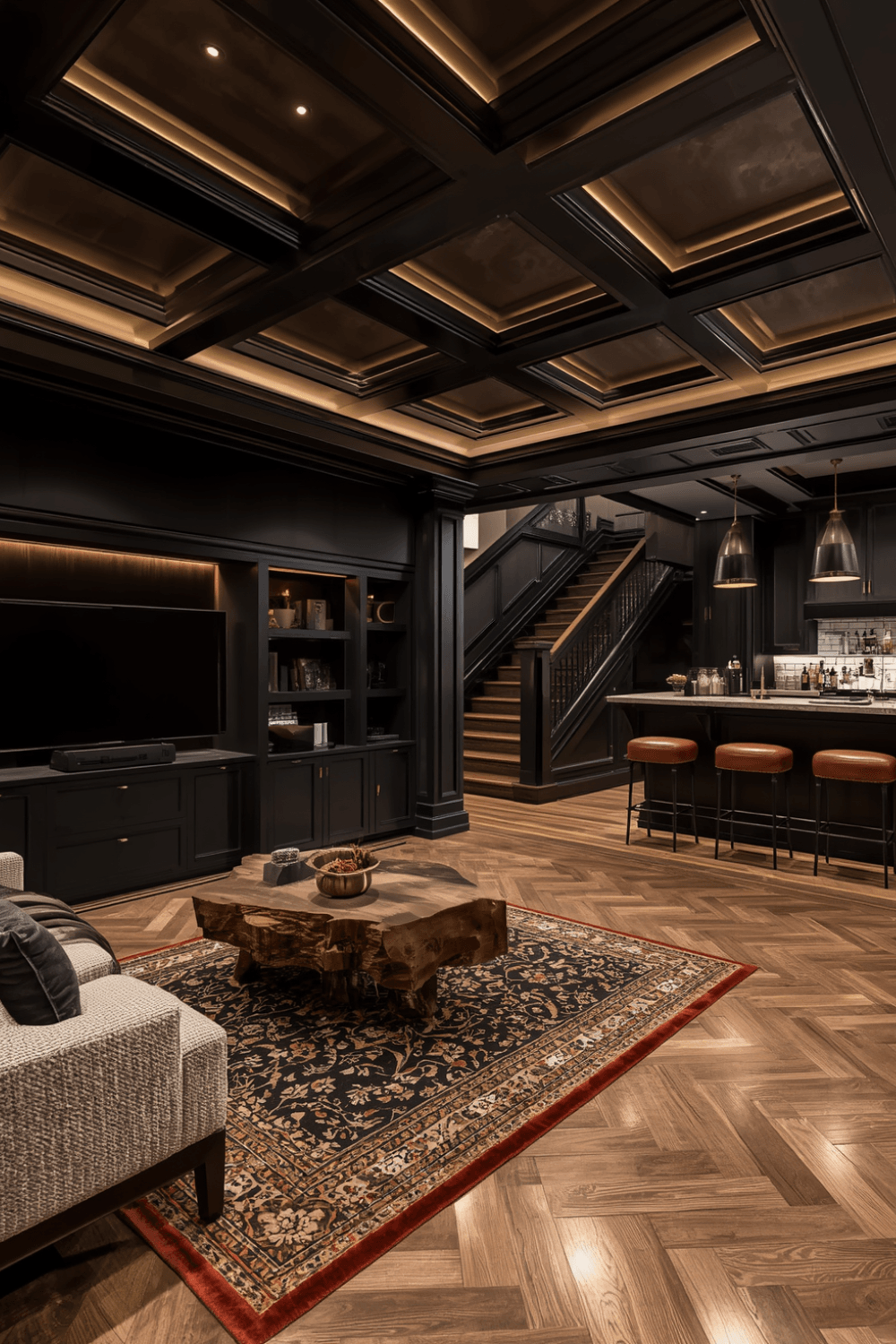
Basement remodeling ideas don’t have to mean a full gut renovation. Fresh paint in a lighter tone, upgraded lighting fixtures, and a few well-chosen furniture pieces can transform a basic finished basement without touching the walls or flooring at all.
4. Basement Design Ideas That Solve for Low Light
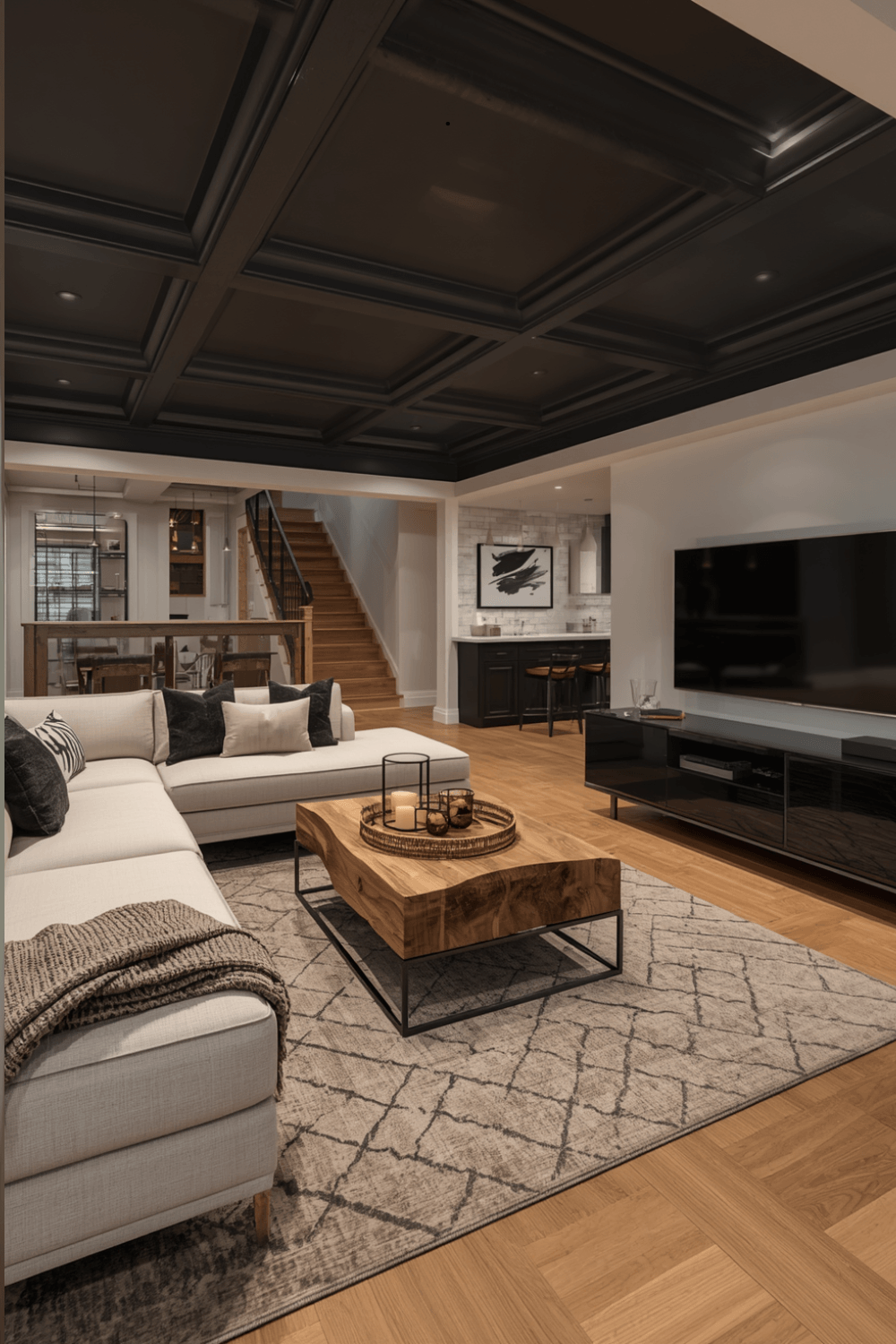
Basement design ideas need to actively work around limited natural light rather than pretending it isn’t an issue. Light, reflective wall colors, mirrors positioned to bounce whatever light exists, and layered artificial lighting all help compensate for what the space naturally lacks.
Making the Space Genuinely Livable
5. Basement Living Space Basics
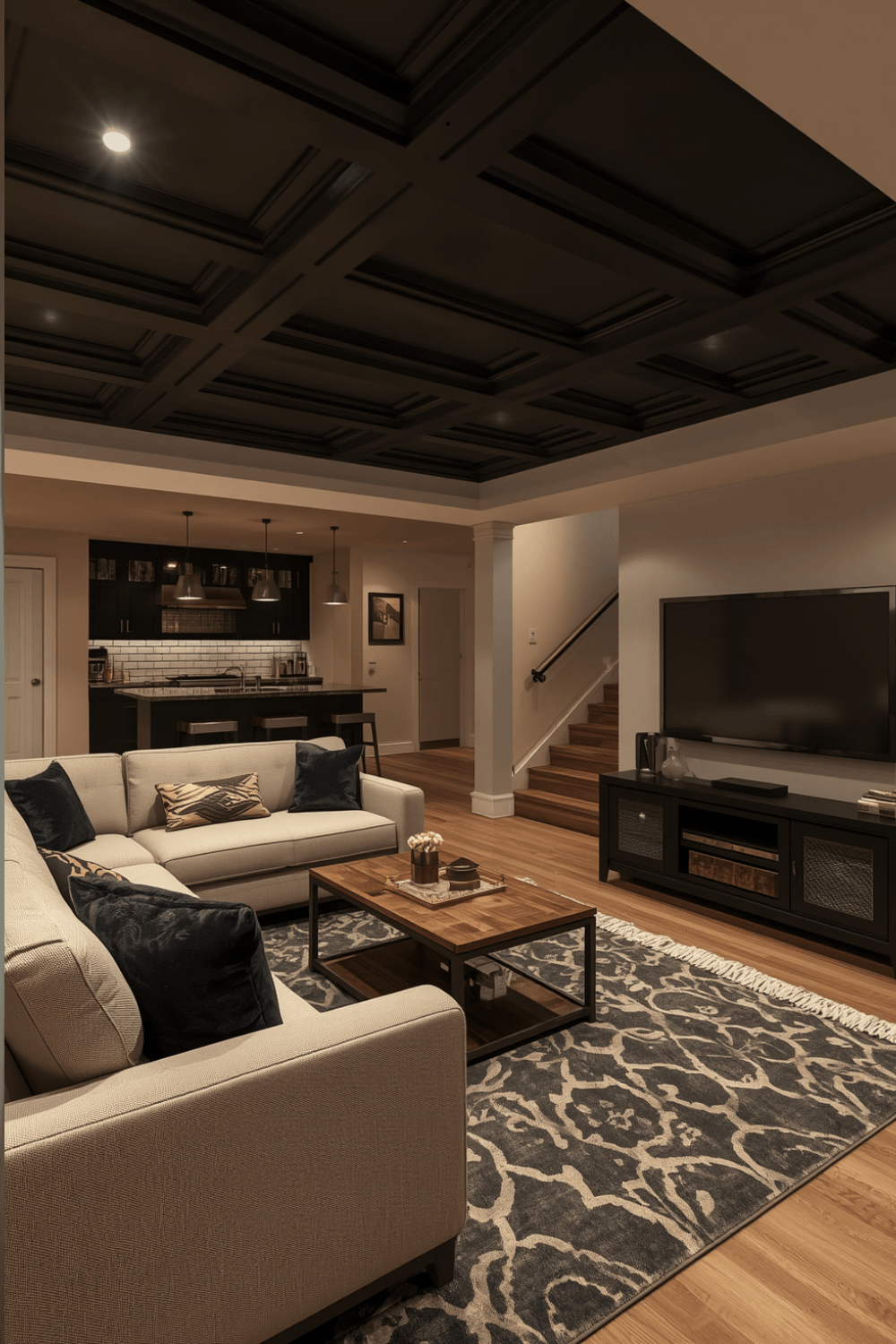
Turning a basement into real basement living space means treating it like any other room in the house: defined zones for different activities, comfortable seating, and enough lighting that it doesn’t feel like an underground storage area with a couch dropped into it.
6. Basement Room Ideas for Multi-Use Spaces
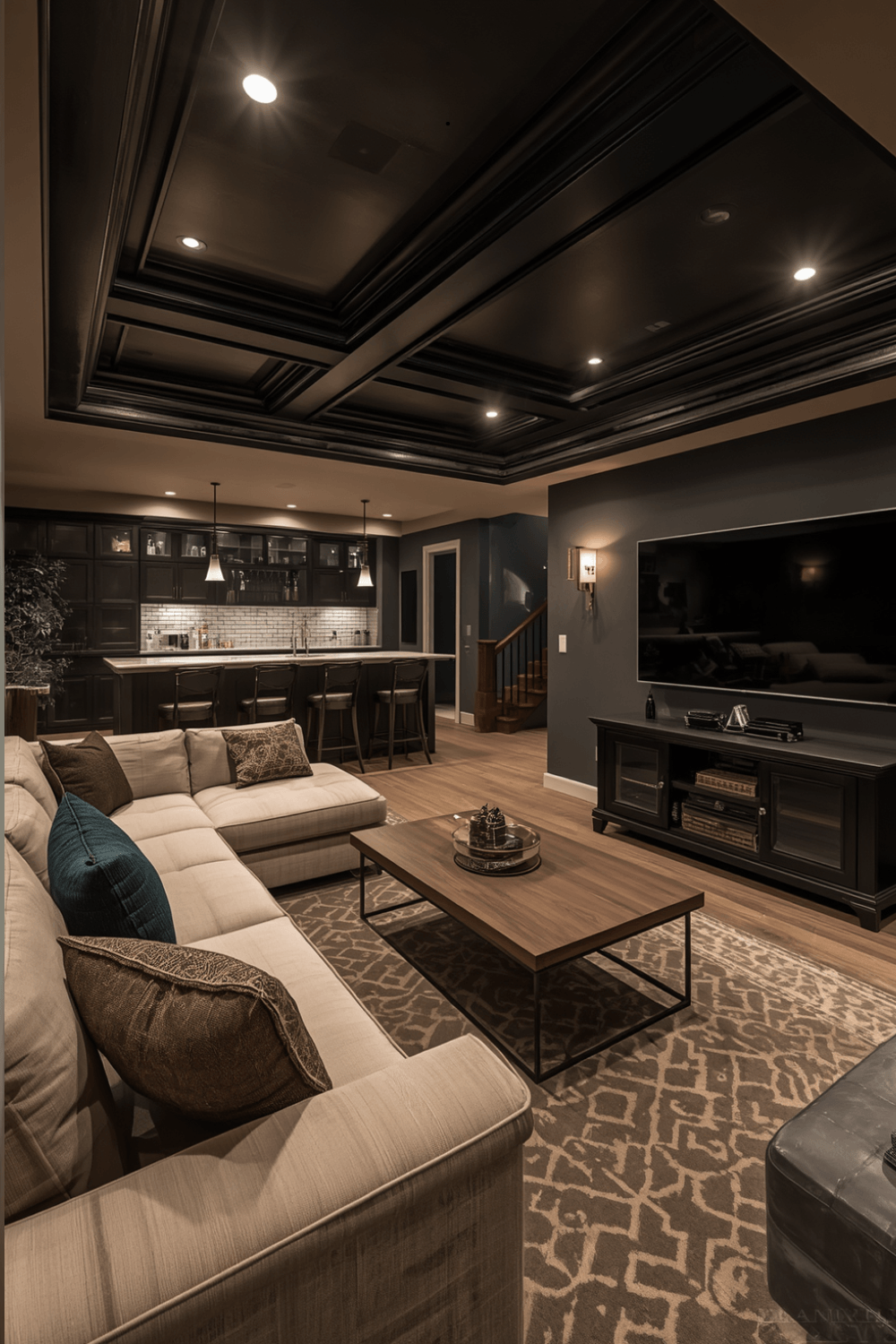
Basement room ideas often need to solve for more than one function at once, since basements are frequently the largest open space in the house. A media area on one side, a small home office or craft corner on another, and a guest sleeping area that folds away when not needed all work well together if the zones are clearly defined rather than blending into one undefined space.
Walkout Basement Ideas
If you’re lucky enough to have a walkout basement, walkout basement ideas can lean into that connection to the outdoors more than a fully underground basement ever could. Glass doors, a small patio just outside, and furniture arranged to face that natural light source all take advantage of what makes a walkout basement genuinely different from a standard one.
Style and Furniture
7. Modern Basement Ideas
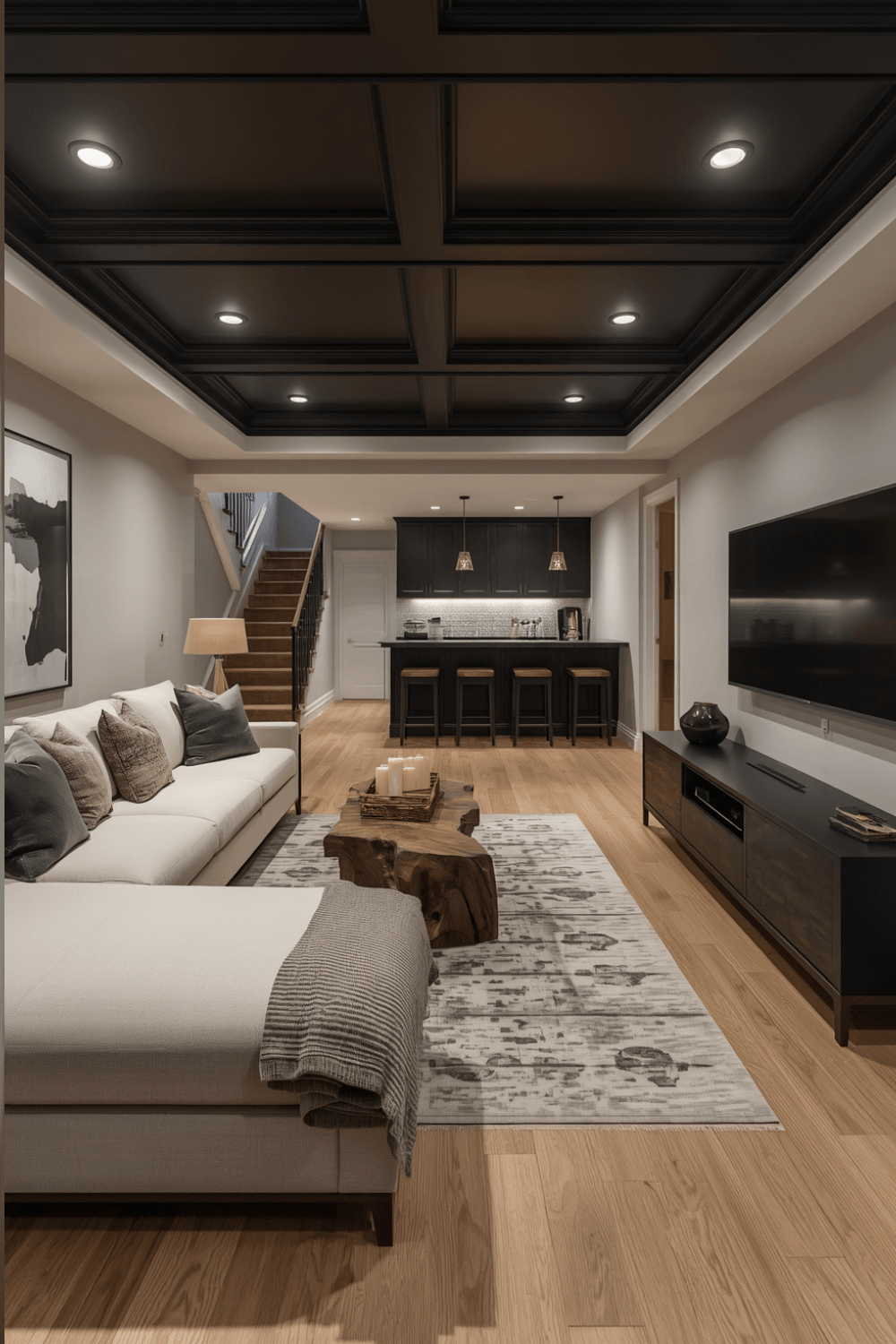
Modern basement ideas lean on clean lines and a lighter overall palette than you might expect for a below-grade space. White or light gray walls, simple furniture silhouettes, and warm wood accents keep the room from feeling heavy or cave-like.
8. Basement Furniture Ideas
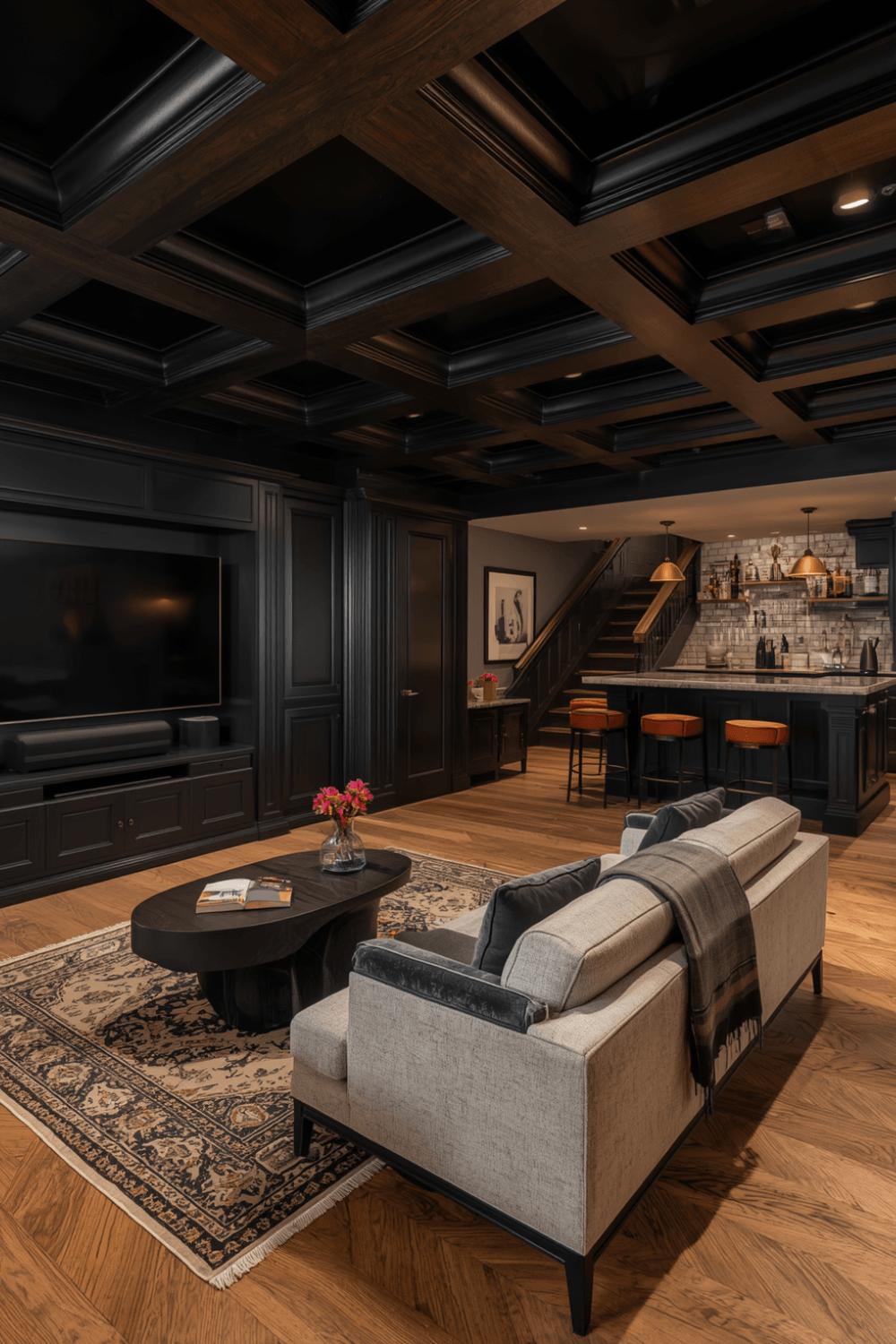
Basement furniture ideas need to account for practical realities specific to this space: lower ceilings mean lower-profile furniture reads better proportionally, and any risk of moisture means avoiding delicate fabrics or untreated wood in favor of more resilient materials.
A few reliable picks:
- A sectional sofa in a performance fabric, easier to clean and more moisture-tolerant than delicate upholstery
- Furniture with exposed legs rather than skirted bases, which keeps the room feeling more open
- A durable area rug rated for below-grade use, rather than one meant for upstairs rooms
Entertainment-Focused Basements
9. Basement Home Theater
A basement home theater makes a lot of sense practically, since basements are naturally darker and better insulated from outside noise than upstairs rooms. That built-in darkness that can feel like a challenge elsewhere in the house becomes a genuine advantage here.
Basement Home Theater Design
Basement home theater design comes down to a few key elements: comfortable, genuinely reclining seating, proper acoustic treatment on at least one wall to control sound, and blackout capability if there’s any natural light at all to manage.
Basement Bars
10. Basement Bar Designs
Basement bar designs are one of the most popular basement upgrades for good reason, since the space naturally lends itself to a slightly more casual, entertaining-focused vibe than the rest of the house. A simple bar setup with a counter, a few stools, and some open shelving for glassware goes a long way toward making the basement feel purpose-built rather than repurposed.
Cool Basement Bar Ideas
Cool basement bar ideas that elevate a basic setup: under-counter lighting for ambiance, a small beverage fridge built into the counter, and a backsplash or accent wall behind the bar that gives the whole corner some visual identity of its own.
Quick Recap: Basement Decor Ideas Worth Prioritizing
If you’re short on time, here’s the shortlist:
- Solve moisture and lighting first, before anything decorative gets added to the room.
- Choose a lighter, brighter palette than you might use upstairs to compensate for limited natural light.
- Define zones clearly if the basement is serving multiple functions, media, office, guest space, bar.
- Pick furniture and materials suited to below-grade conditions, moisture resistance matters more here than upstairs.
- Lean into a home theater or bar setup if entertaining is the main goal, both make excellent use of a basement’s natural strengths.
A Quick Note on Budget and Phasing
You don’t need to finish the whole basement at once.
- Address moisture and insulation issues first, always, no matter the budget.
- Update lighting and paint next, both relatively affordable and high-impact.
- Add furniture and define your zones once the core space feels solid.
- Build out a bar or home theater setup last, once the rest of the room is functioning well.
Internal Linking Suggestions
If you’re building out related content on the site, these topics would connect naturally with this post:
- Small space storage solutions for below-grade rooms
- Home office setup ideas for a multi-use space
- Guide to choosing moisture-resistant flooring
Final Thoughts
Basement decor ideas that actually work start with solving the space’s real challenges, moisture, light, ceiling height, before layering in style. Once those basics are handled, a basement can genuinely compete with any other room in the house for how it feels to spend time in.
Start with lighting and paint if you’re not ready for a full remodel. It’s the fastest, most affordable way to make a basement feel finished rather than forgotten.
Frequently Asked Questions
What’s the biggest mistake people make with basement decor? Copying design choices from upstairs rooms without adjusting for less natural light and lower ceilings. Dark colors and heavy furniture that work in a sunlit living room often feel oppressive in a basement.
Do I need special flooring for a basement? Moisture-resistant options like luxury vinyl plank or properly sealed tile are generally safer choices than carpet or hardwood, especially in basements with any history of dampness.
How do I make a basement feel less like a basement? Prioritize light, reflective wall colors, layer multiple light sources to compensate for limited windows, and use mirrors to bounce whatever natural light does reach the space.
Is a basement home theater worth it? For many households, yes. Basements are naturally darker and quieter than upstairs rooms, which are the two biggest requirements for a genuinely good home theater experience.
What’s the easiest basement upgrade for a small budget? Fresh paint in a lighter tone paired with upgraded lighting fixtures makes a noticeably bigger difference than most people expect, without requiring any structural or flooring changes.
Can I add a bar to a small basement? Yes. Even a compact basement bar setup, a counter, a couple of stools, and open shelving, adds real function and character without needing the space of a full wet bar with plumbing.