
Be honest if your home gym is just a treadmill shoved in a dim basement corner, how often are you actually using it, Probably not as often as you’d like.
I used to think a home gym just needed equipment and nothing else. Turns out the space itself matters just as much as what’s in it. A dark, uninspiring room makes working out feel like a chore before you’ve even started. A bright, well-designed one genuinely makes you want to show up.
If your current setup is more “storage closet with a dumbbell rack” than “place I actually want to spend time in,” let’s fix that. These modern home gym ideas will help you build a space that pulls double duty — genuinely functional and genuinely beautiful.
Why Your Gym Space Actually Affects Your Motivation
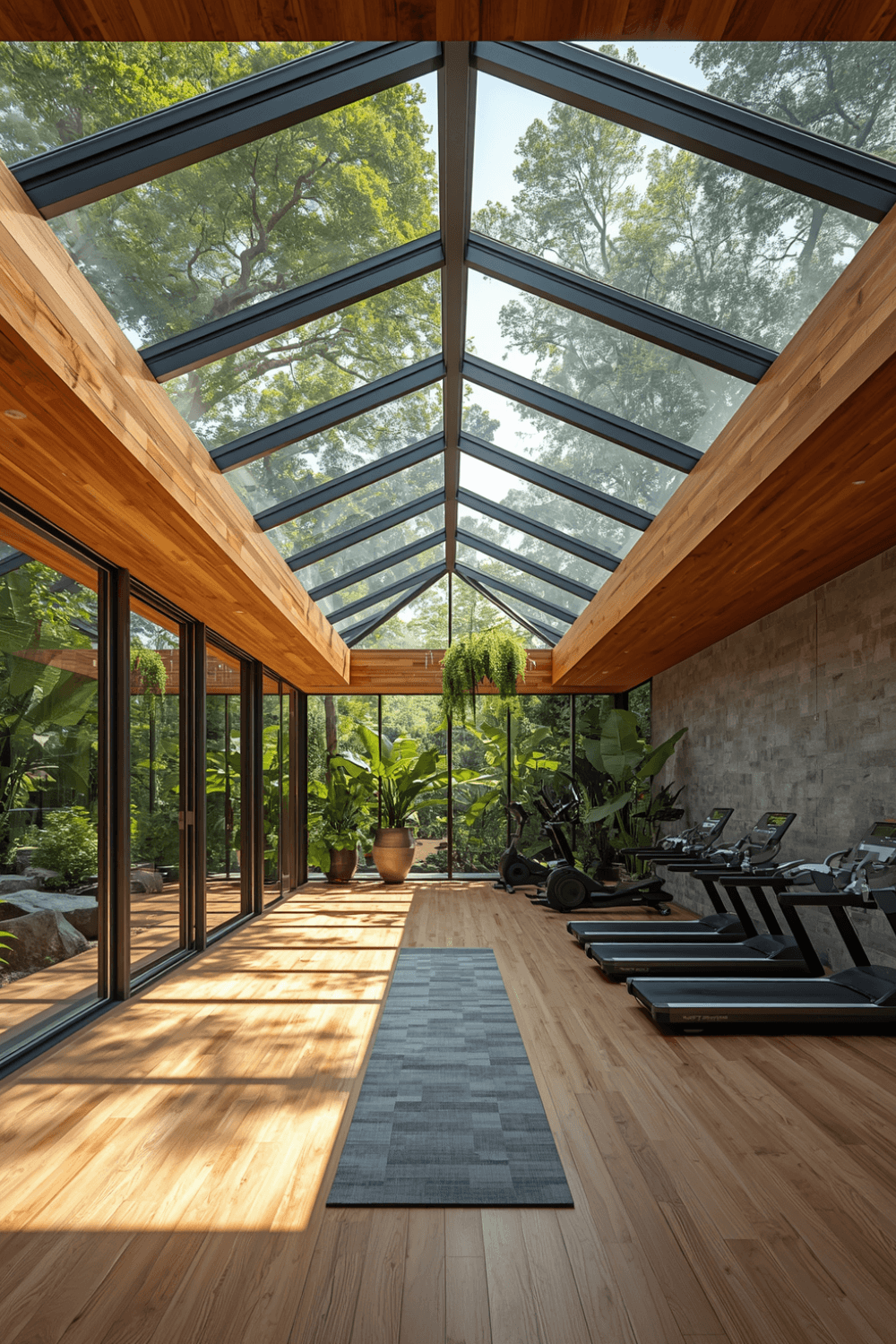
Here’s something worth sitting with for a second — the environment you work out in genuinely influences whether you show up consistently, not just how you perform once you’re there.
Good modern home gym ideas solve a few real problems at once:
- Make the space feel inviting rather than like an afterthought
- Bring in natural light, which genuinely affects mood and energy
- Create a sense of design intention, so it feels like a real room, not just equipment storage
Skip this, and your gym becomes the room you avoid. Get it right, and it becomes somewhere you actually look forward to spending twenty minutes in before work.
Home Gym Design: Starting With the Right Foundation
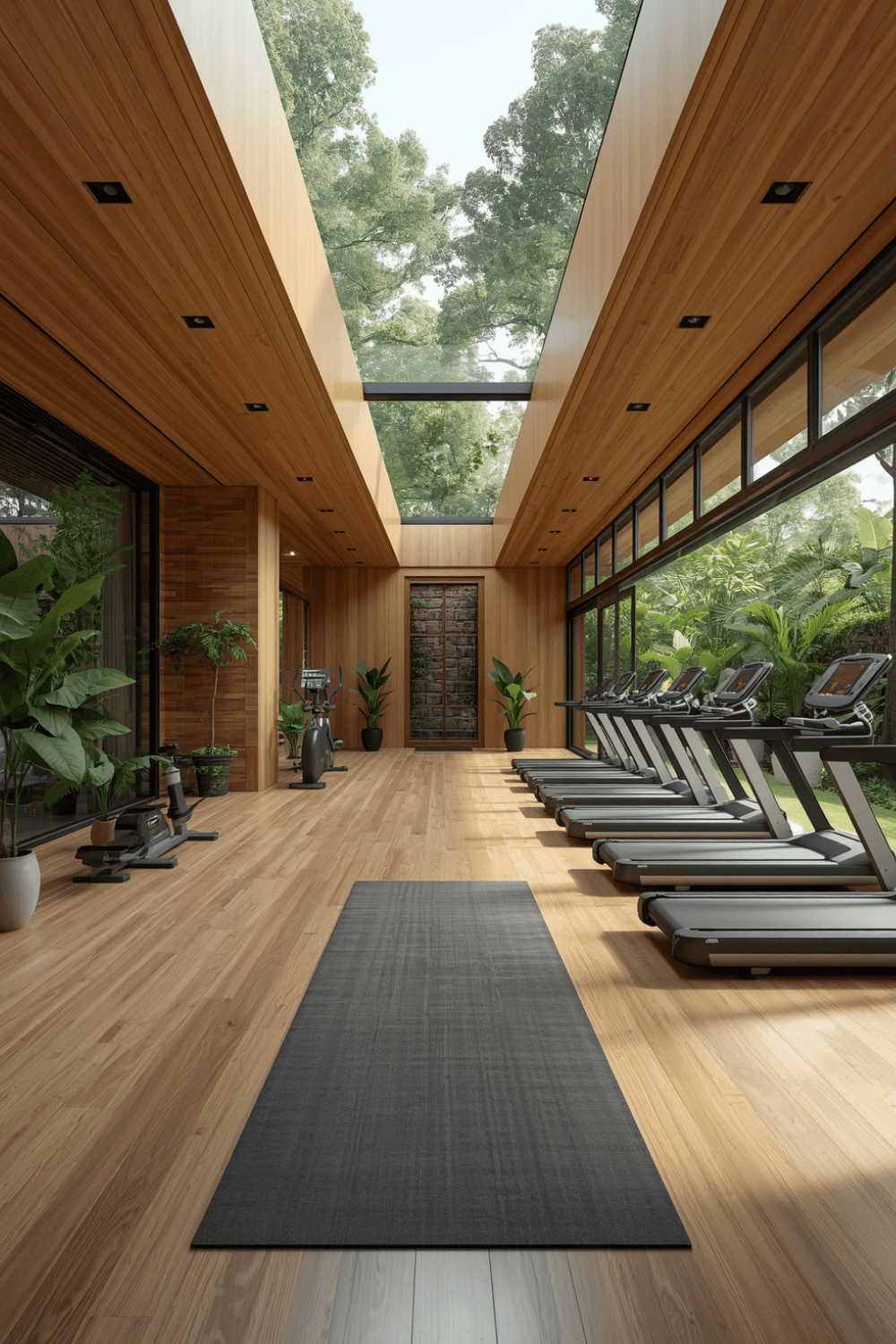
Before buying equipment, it helps to think through the overall home gym design approach, since the room’s bones matter more than any single piece of gear.
Core considerations:
- Natural light sources, if your space allows for them
- Flooring that can handle equipment and movement without damage
- Enough open floor space for actual exercises, not just machines crammed wall to wall
Quick tip: Measure your available floor space before buying anything. A home gym that’s too packed with equipment to actually move freely in defeats the whole purpose.
Glass Ceiling Gym and Skylight Home Gym Features
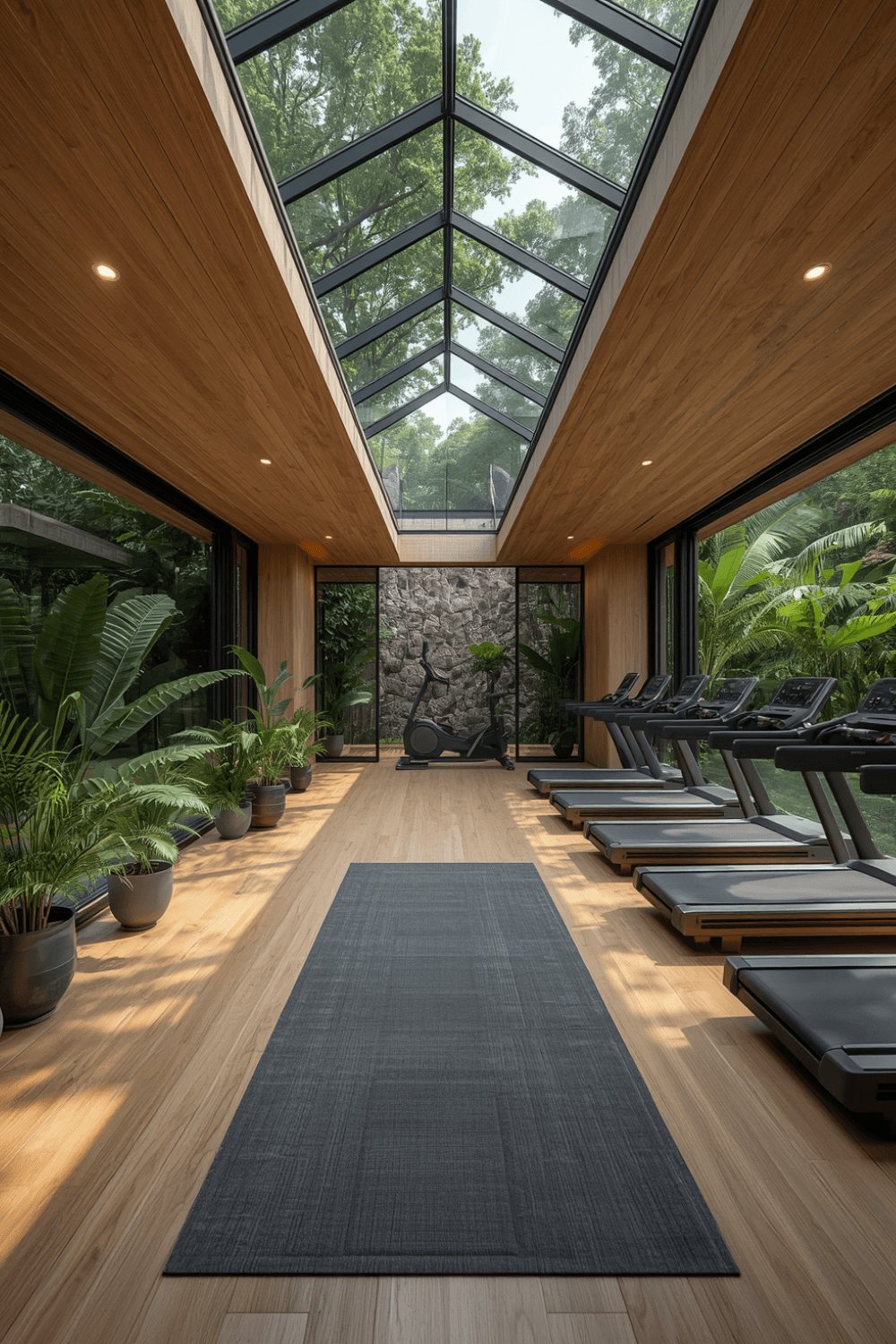
If there’s one upgrade that genuinely transforms how a home gym feels, it’s this one.
A glass ceiling gym or skylight home gym setup floods the space with natural daylight throughout the day, which does wonders for both the room’s overall mood and your actual motivation to use it.
Why natural light matters so much here:
- It makes early morning or evening workouts feel less like a chore in a dim room
- Daylight genuinely supports better energy and mood during exercise
- It creates a dramatic, almost resort-like feeling that basement gyms just can’t replicate
Reality check: A full skylight installation requires structural planning, especially if you’re not working with an existing architectural feature. If that’s not realistic right now, maximizing any existing windows with sheer curtains (rather than heavy blackout ones) gets you some of that same benefit.
Natural Light Home Gym Alternatives
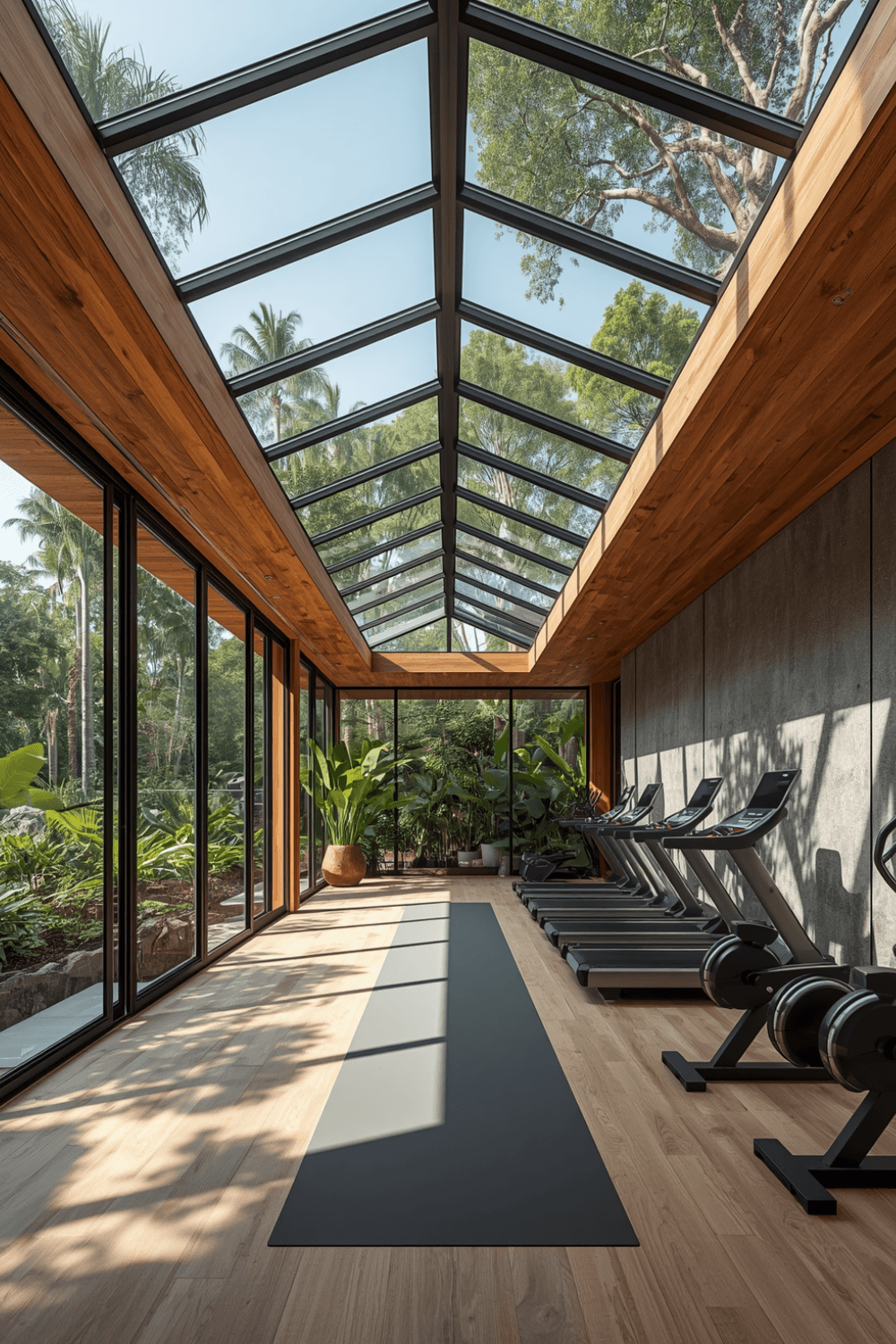
Not everyone has the option for a full glass ceiling, and that’s completely fine. Natural light home gym ideas that work in more typical spaces:
- Position equipment near existing windows rather than against the darkest wall
- Use mirrors to bounce available daylight further into the room
- Choose light wall colors (warm white, soft cream) that reflect whatever natural light you do have
If your space genuinely has no natural light at all, investing in quality daylight-mimicking bulbs makes a real difference in how the room feels, even without an actual window.
Wood Ceiling Gym Details for Warmth
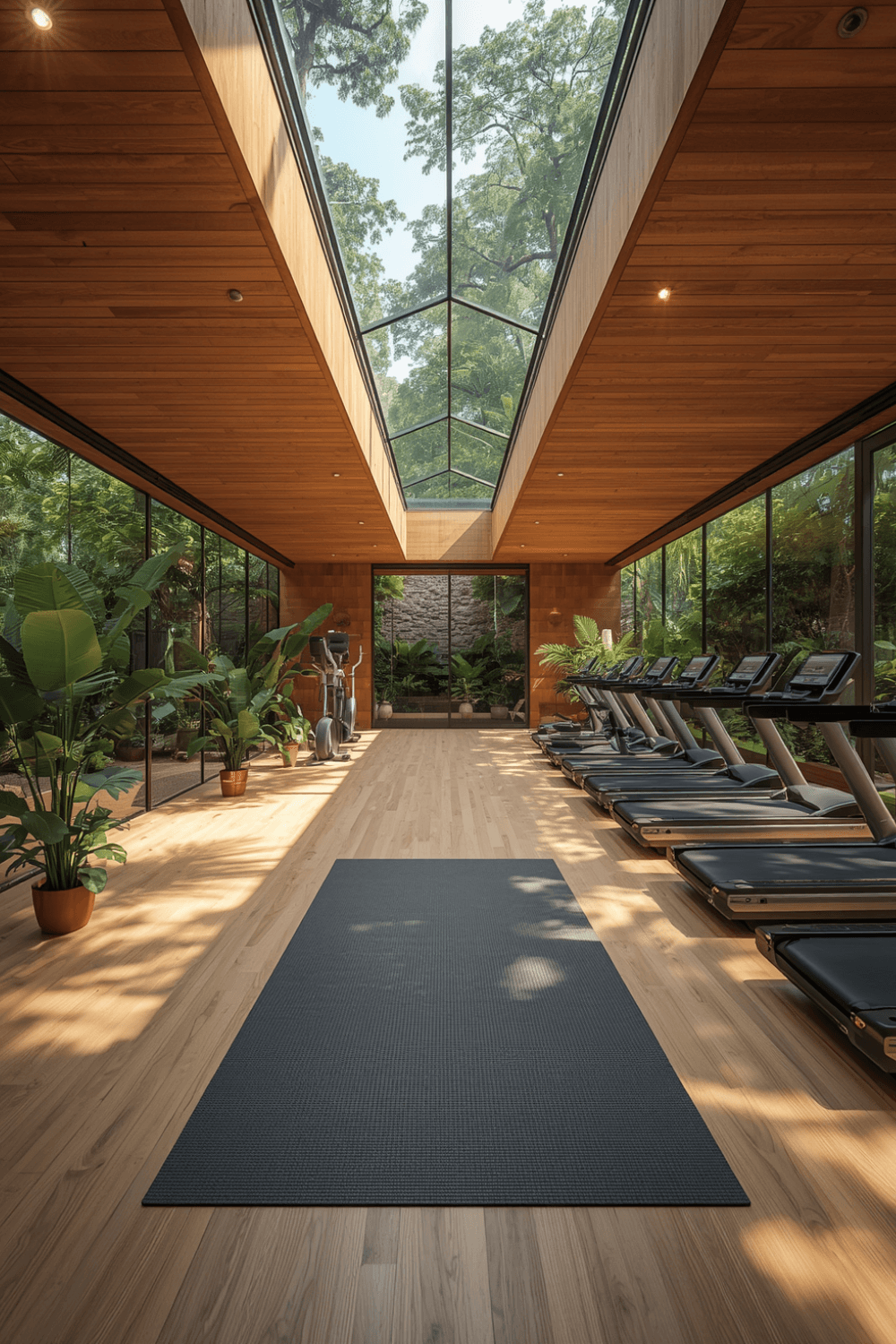
A home gym doesn’t have to feel clinical or sterile just because it’s a functional space.
A wood ceiling gym treatment — exposed beams, wood slats, or simple wood paneling overhead — adds warmth that a plain white ceiling just can’t provide.
Why this works so well:
- It softens what could otherwise feel like a stark, utilitarian room
- Combined with a skylight or large window, wood overhead creates a genuinely striking visual contrast
- It ties the gym into the rest of your home’s design language, rather than feeling like a separate, purely functional add-on
Wood Panel Home Gym Walls for Texture
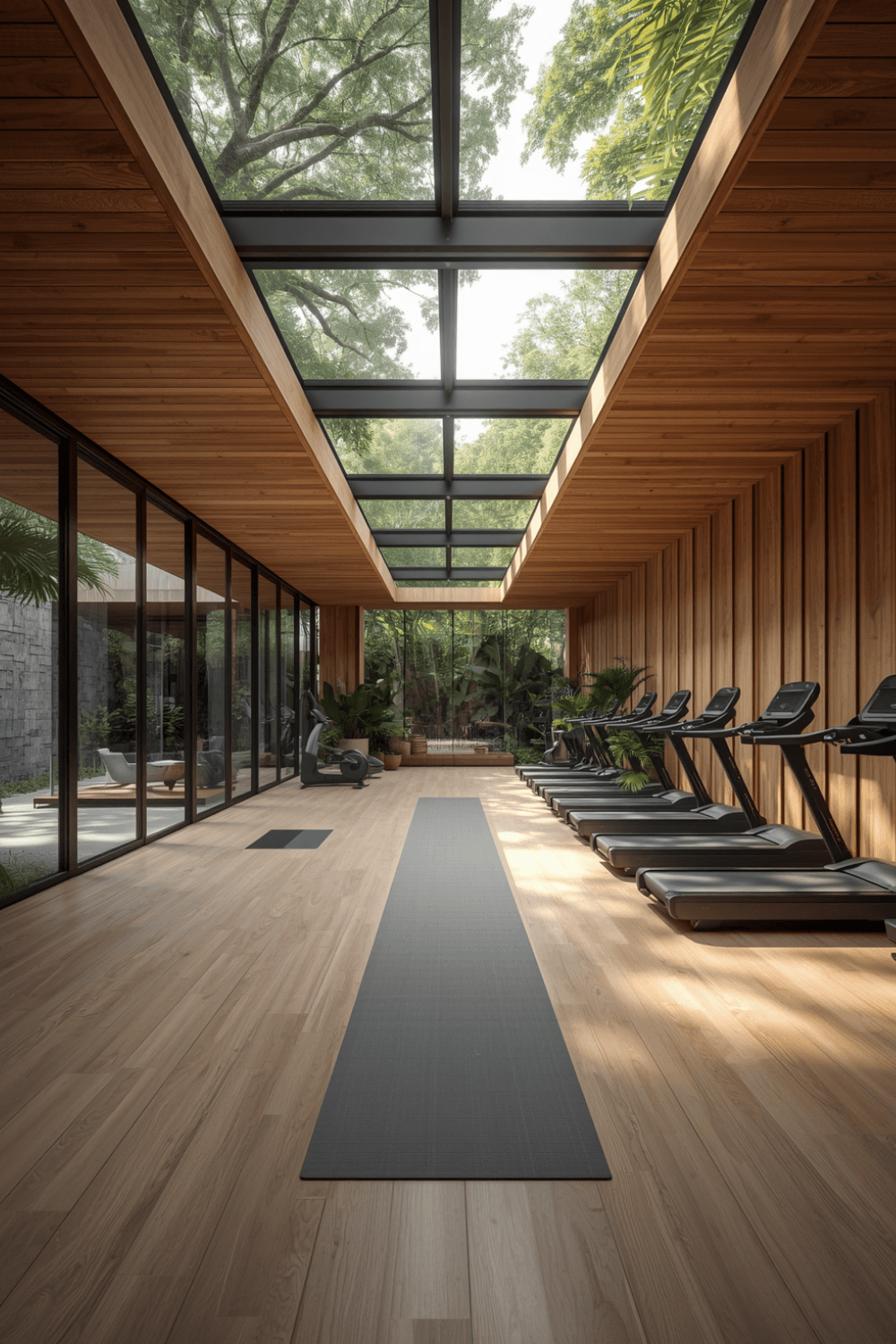
Beyond the ceiling, wood panel home gym walls bring the same warmth down to eye level.
Popular approaches:
- A single accent wall behind your main equipment area
- Wood slats running vertically for a clean, modern rhythm
- A mix of wood paneling and mirror panels for both warmth and functional visual feedback during workouts
Practical tip: If your gym includes mirrors for form-checking during strength training, pair them with wood paneling nearby rather than surrounding the entire room in glass. The combination feels considerably warmer than an all-mirror setup.
Tropical Home Gym Vibes for a Resort Feel
Want your workout space to feel less like exercise and more like a retreat? A tropical home gym approach brings in warmth and greenery without requiring a full theme commitment.
- Plenty of natural light (see above)
- Warm wood tones throughout flooring, paneling, or equipment storage
- Lush greenery positioned around the room’s perimeter, out of the way of actual movement space
This style genuinely works best when paired with good natural light, since tropical plants and that resort-like feeling depend heavily on bright, airy surroundings.
Tropical Indoor Plants That Thrive in a Gym Environment
Here’s a practical consideration people often miss — a home gym has a pretty specific environment (temperature swings, occasional humidity from sweat, sometimes lower light depending on placement).
Tropical indoor plants that handle these conditions well:
- Pothos, which tolerates fluctuating light and general neglect
- Snake plants, genuinely one of the toughest options for any indoor space
- ZZ plants, low-maintenance and tolerant of inconsistent watering schedules
Indoor plant gym decor works best when plants are placed along walls or in corners, out of the direct path of any equipment or movement, so they add life to the space without becoming an obstacle mid-workout.
Indoor Outdoor Gym Design for Maximum Connection
If your home’s layout allows for it, an indoor outdoor gym design approach blurs the line between your workout space and the outdoors entirely.
- Large sliding or folding glass doors that open to a patio or yard
- A gym positioned adjacent to outdoor space, so you can move between indoor and outdoor workouts seasonally
- Consistent flooring material between indoor and outdoor zones for a seamless visual transition
This setup genuinely transforms the experience of working out, especially in good weather, since you’re not confined to a single enclosed room the way a typical home gym forces you to be.
Luxury Home Gym and Luxury Fitness Room Details
If you want your space to feel genuinely elevated rather than purely functional, a few upgrades make a real difference.
Luxury home gym touches worth considering:
- High-quality, visually appealing equipment rather than purely functional, bulky machines
- A sound system built into the room rather than relying on a portable speaker
- Thoughtful lighting that can shift from bright and energizing to softer for cooldown stretches
Luxury fitness room design also often includes a small seating or stretching area separate from the main equipment zone, giving the space a sense of flow rather than being purely about machines lined up against walls.
Home Workout Room Layout for Real Function
Beyond aesthetics, your home workout room needs to actually work for the types of exercise you do most.
A few layout principles:
- Keep a clear, open floor area for stretching, bodyweight exercises, or yoga
- Position cardio equipment near windows or your best light source
- Store smaller equipment (weights, bands, mats) in closed storage to keep the room feeling tidy rather than cluttered
Home Cardio Gym and Treadmill Home Gym Placement
If cardio is your main focus, thinking through home cardio gym placement specifically matters for both function and the overall feel of the room.
Treadmill Home Gym Positioning Tips
A treadmill home gym setup works best when the treadmill faces a window, skylight, or at minimum a TV or mirror, so you’ve genuinely got something to look at during longer cardio sessions. Facing a blank wall makes even a short run feel considerably longer than it needs to.
Practical tip: If noise or vibration is a concern (especially in upper-floor spaces), a rubber mat specifically designed for cardio equipment helps protect both your flooring and your downstairs neighbors’ peace of mind.
Indoor Gym Ideas for Smaller Spaces
Not everyone has room for a dedicated, spacious gym, and that’s genuinely fine. Indoor gym ideas for tighter spaces:
- Wall-mounted storage for weights and bands to keep floor space open
- Multi-purpose equipment (an adjustable bench, resistance bands) over bulky single-use machines
- A foldable or rollaway setup if the room needs to serve other purposes too
Modern gym room ideas at this scale really come down to efficient use of space rather than trying to replicate a full commercial gym layout at home.
Home Gym Interior Design: Pulling It All Together
At the end of the day, good home gym interior design comes down to a few consistent principles:
- Maximize natural light wherever genuinely possible
- Balance functional equipment with warm, intentional design touches (wood, plants, good lighting)
- Keep the floor plan open enough for actual movement, not just storage
- Add personal touches that make the space feel like part of your home, not a separate utilitarian box
Final Thoughts: Your Gym Should Make You Want to Show Up
At the end of the day, modern home gym ideas aren’t just about equipment — they’re about creating a space that genuinely makes you want to walk in and start moving, rather than one you quietly avoid.
Key takeaway: Start with natural light wherever possible, layer in warm wood tones and a few hardy plants, and keep your layout functional enough for real movement. That combination does more for your consistency than any single piece of equipment ever could.
Frequently Asked Questions
1. Does natural light actually make a difference in a home gym?
Yes, genuinely — natural light supports better mood and energy during exercise, and it makes the overall space feel more inviting rather than like a dim, forgotten corner. Even maximizing existing windows with sheer curtains can make a noticeable difference if a full skylight isn’t realistic.
2. What plants survive best in a home gym environment?
Pothos, snake plants, and ZZ plants all tolerate fluctuating light, temperature swings, and occasional neglect quite well, making them ideal for a gym setting. Positioning them along walls or in corners keeps them safely out of the way of actual movement space.
3. Is a glass ceiling or skylight necessary for a modern home gym look?
Not necessary, but it does create a genuinely dramatic, resort-like effect if your space and budget allow for it. Without one, focusing on existing windows, light wall colors, and quality artificial lighting achieves a similar bright, inviting feeling.
4. How much space do I actually need for a home gym?
It depends on your equipment and workout style, but even a small space can work well if you prioritize multi-purpose equipment and keep storage off the floor. The key is leaving enough open area for actual movement, not just squeezing in as many machines as possible.
5. Where should I position a treadmill in a home gym?
Facing a window, skylight, or at minimum a TV or mirror makes cardio sessions feel considerably less tedious than staring at a blank wall. If you’re on an upper floor, a dedicated equipment mat also helps with noise and vibration.
6. Can a home gym work in a basement without natural light?
Yes, though it requires more intentional effort with artificial lighting, warm wood tones, and light wall colors to keep the space from feeling dim and uninspiring. Daylight-mimicking bulbs genuinely help compensate for the lack of real windows.