
Cozy Balcony Garden Ideas: What I Learned After Mine Looked More Like a Jungle Than a Retreat
I got genuinely excited about turning my balcony into a lush little garden retreat and bought way more plants than I actually had room for, cramming pots into every available inch of space. Within a month, it looked less like a cozy garden nook and more like an overgrown jungle I could barely move through, with plants competing for light and me constantly bumping into pots just trying to sit down.
It took thinning things out and rethinking how I actually wanted to use the space before that same balcony finally became the cozy retreat I’d originally pictured. Here’s what I learned creating genuine coziness instead of just cramming in as much greenery as possible.
Cozy Doesn’t Mean Maximum Plants, It Means Intentional Layering
My original approach was that more plants automatically equaled more cozy, lush atmosphere. What I actually learned is that cozy comes from thoughtful layering and leaving room to actually exist in the space, not from filling every square inch until there’s nowhere left to sit or move comfortably.
Once I started editing down and thinking about the balcony as a space I needed to use, not just fill, the whole feeling of the area changed.
My Mistake: No Plan for Actually Sitting and Enjoying the Space
My original balcony had plants covering literally every surface, including the one spot where I’d hoped to put a small chair. I never actually left room for the seating that was supposed to make the space feel like a retreat in the first place, which meant I had a beautiful garden I couldn’t actually sit in and enjoy.
I removed about a third of my original plants, consolidated several into larger, fuller pots instead of many small scattered ones, and finally carved out genuine seating space. That editing made the whole area feel more like a retreat and less like an obstacle course.
Step-by-Step: Creating a Cozy Balcony Garden You’ll Actually Use
1. Plan your seating spot before adding any plants
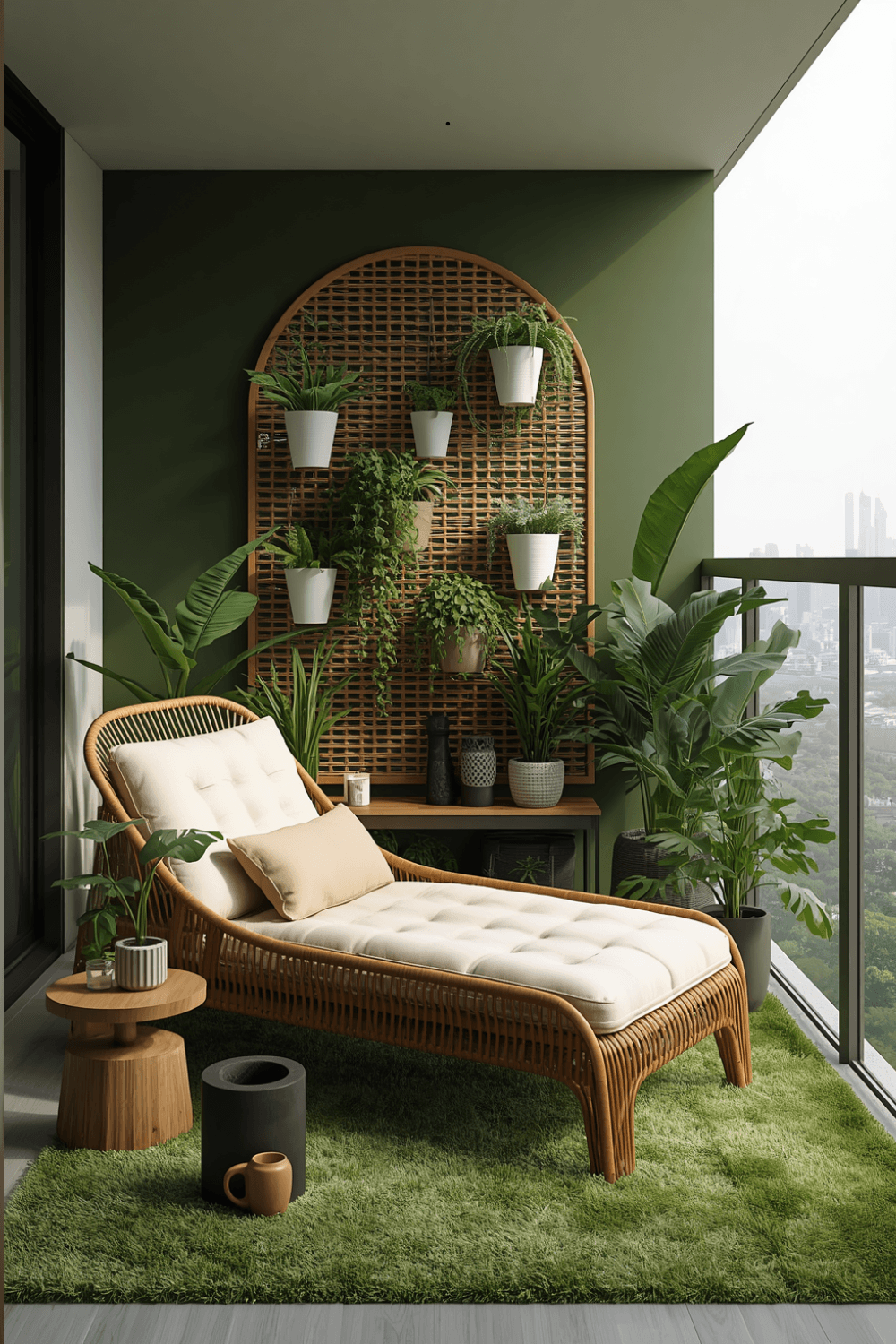 I now recommend figuring out exactly where a chair or small seating area will go first, then designing the plant layout around that fixed spot rather than filling the whole space and hoping seating fits in wherever’s left over. That planning order alone would have saved me from my original overcrowding mistake.
2. Choose fewer, larger plants over many small scattered ones
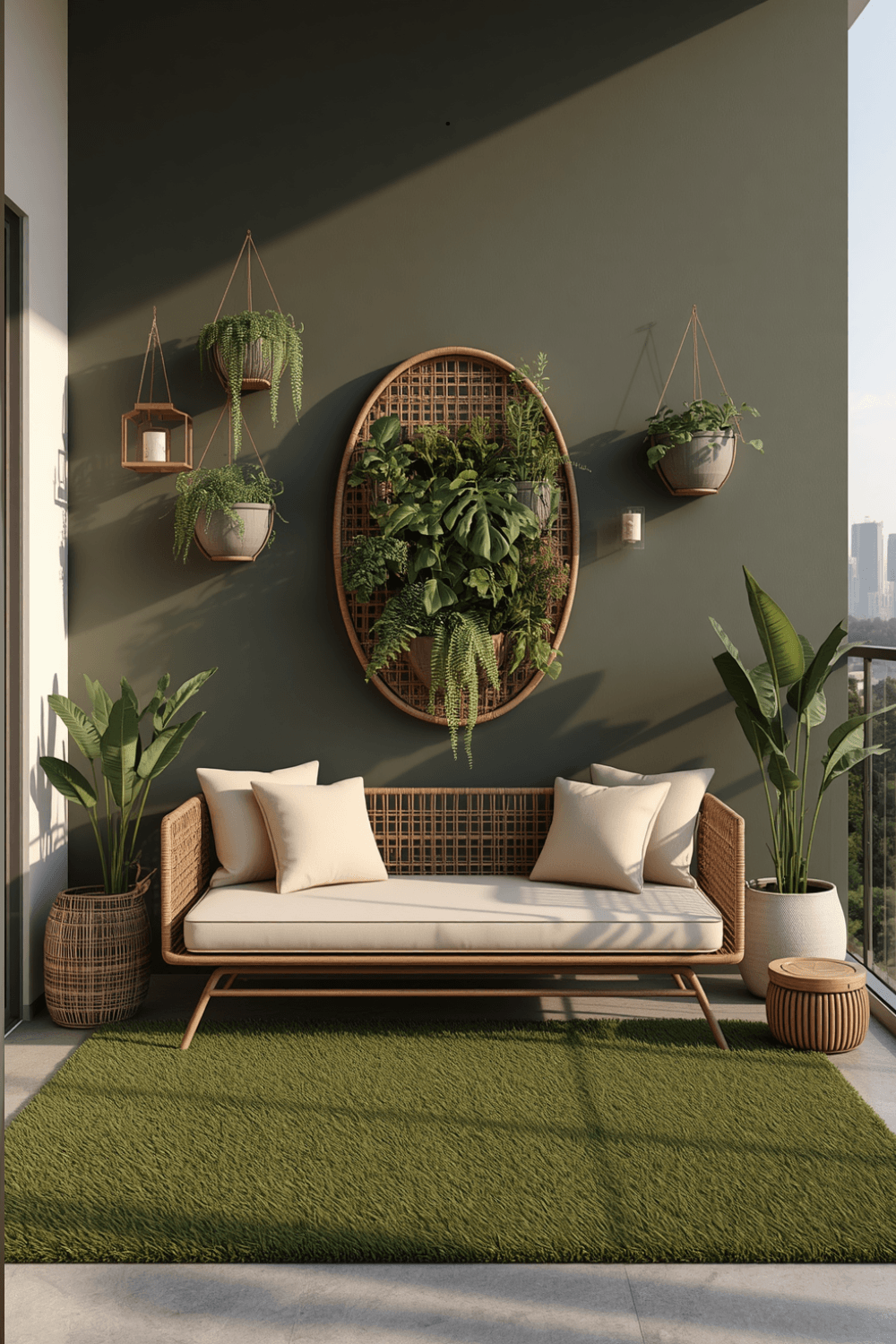 I consolidated several small pots into a couple of larger, fuller plants instead, which actually reads as more lush and intentional than a scattered collection of small pots competing for attention. Bigger, well-chosen plants create more visual impact with less physical footprint than many smaller ones.
3. Layer plant heights instead of keeping everything at one level
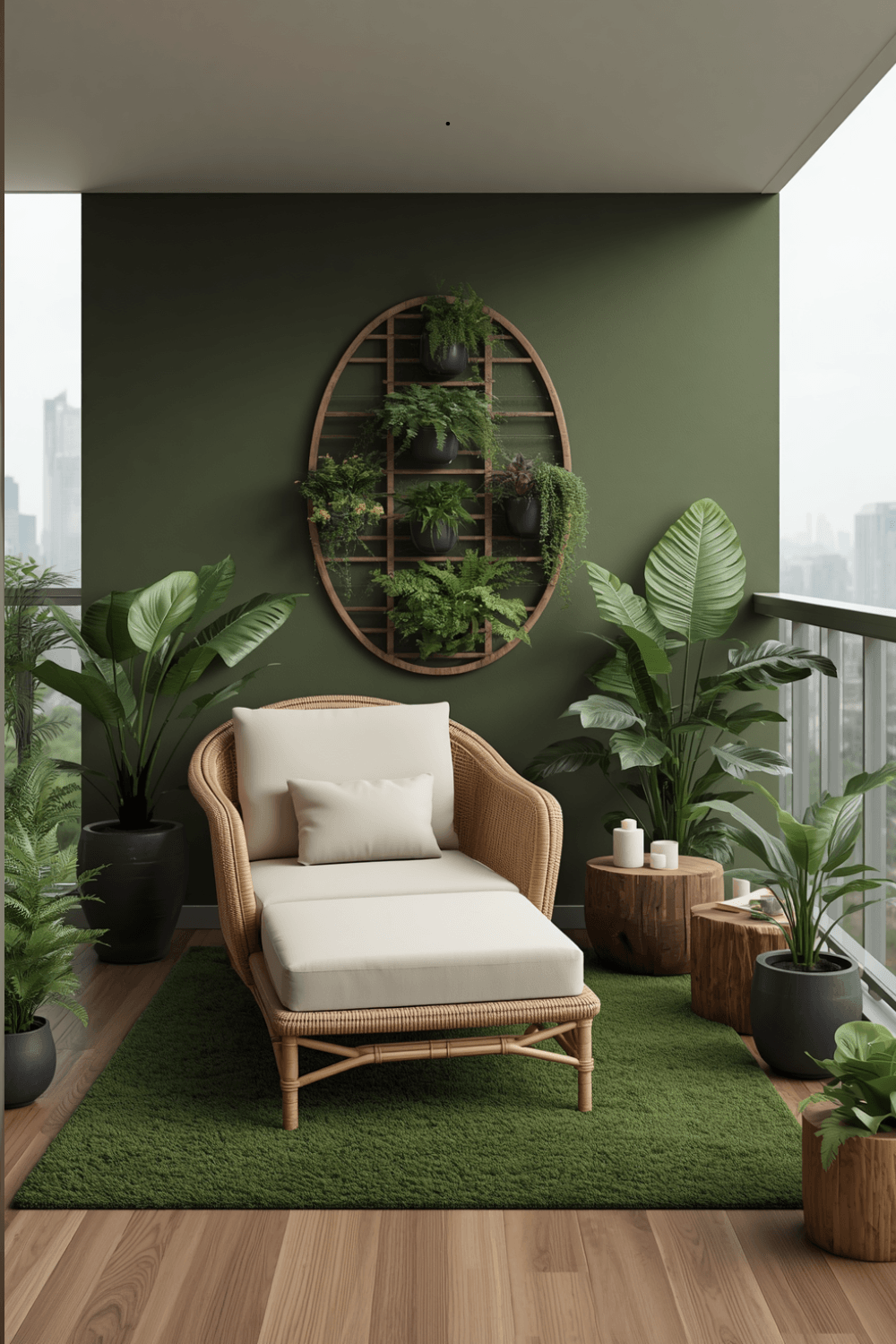 I added a plant stand to elevate one larger plant above eye level and kept a few trailing plants lower down, creating actual vertical layers instead of everything sitting at the same height. That layering adds depth and a genuinely lush feeling without needing more total plants.
4. Add soft textiles for tactile coziness, not just greenery
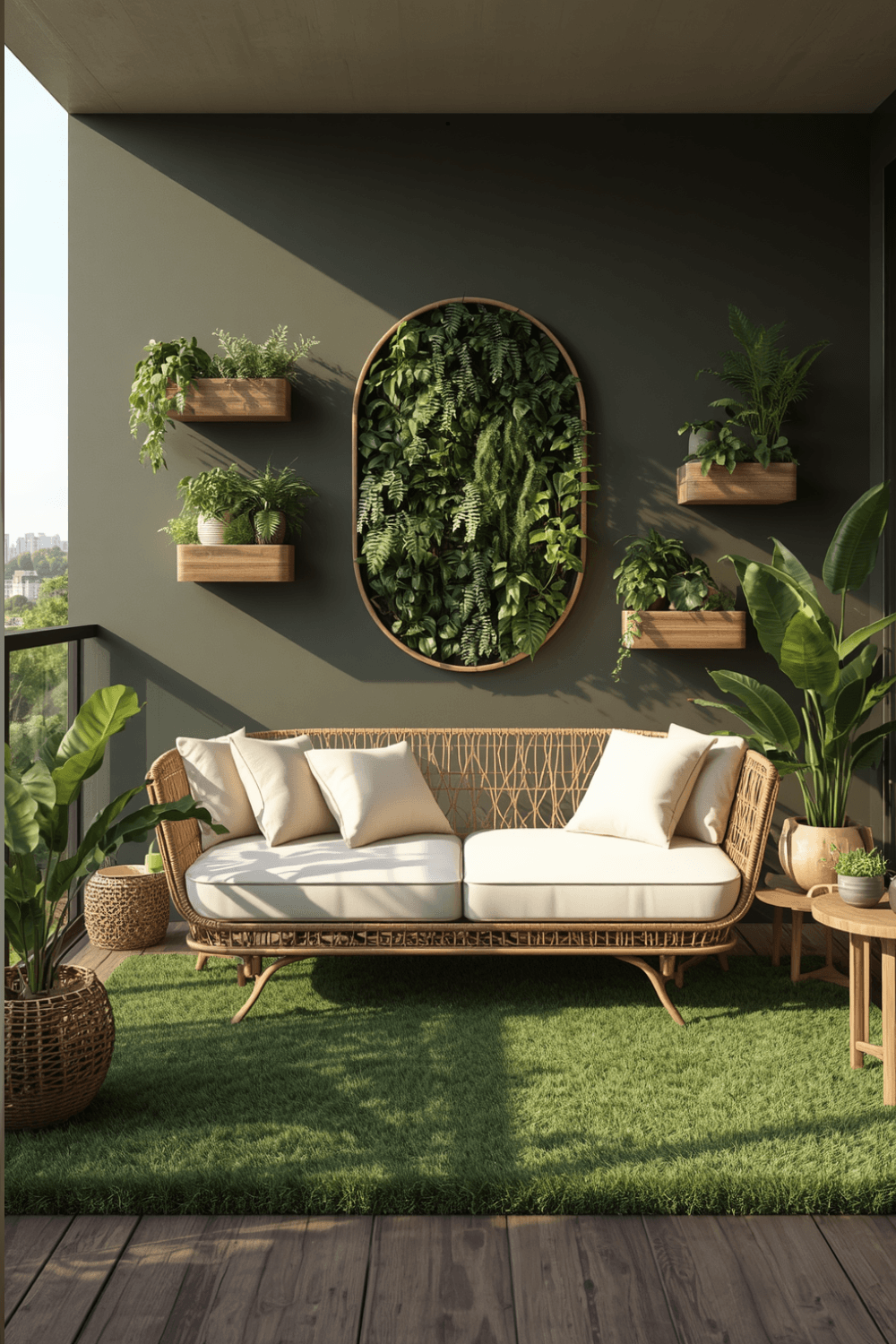 I added an outdoor-rated cushion for my chair and a small woven throw specifically for cooler evenings, which added a genuinely cozy, tactile element that plants alone couldn’t provide. Coziness depends on more senses than just visual greenery.
5. Include warm lighting for evening use
I added a small strand of warm outdoor-rated string lights along my railing, which transformed the space from a daytime-only spot into somewhere I actually use in the evening too. Without any lighting, my original jungle-like setup went completely dark and unusable once the sun went down.
6. Add a small side table for practical everyday use
I added a compact folding side table beside my chair, giving me somewhere to actually set down a coffee or book while sitting outside. That small practical addition made the space feel genuinely functional instead of purely decorative.
7. Choose a color scheme that ties your plants and accessories together
I picked warm terracotta pots and a coordinating cushion fabric, rather than a random mismatched collection of whatever containers I happened to already own. That visual cohesion made the whole balcony read as intentionally designed rather than accumulated over time without a plan.
Real Examples From People I Know
A friend with a similarly small balcony committed to just three substantial plants, a small olive tree, a trailing pothos, and a potted lavender, rather than trying to fit in a dozen smaller ones. The restraint made her space feel genuinely curated and gave her plenty of room for a small bistro chair she actually uses daily.
Another friend focused her whole cozy balcony budget on a single hammock chair and warm string lighting, keeping her plant collection genuinely minimal, just two low-maintenance succulents. She says the seating and lighting did more to create that cozy retreat feeling than any amount of additional greenery could have.
Common Mistakes to Avoid
Filling every available inch with plants before considering seating. This alone caused my entire original balcony to feel more like an obstacle course than a retreat.
Choosing many small scattered pots over fewer, larger plants. Bigger, well-chosen plants tend to read as more lush and intentional with less actual physical footprint.
Keeping every plant at the same height. Layering vertical levels adds genuine depth without needing to add more total plants.
Skipping lighting for evening use. A balcony that looks great during the day but goes completely dark at night misses half its potential use.
Using mismatched containers and accessories without any cohesive color scheme. A coordinated palette makes the whole space read as intentionally designed rather than randomly accumulated.
Final Thoughts
My balcony taught me that genuine coziness comes from thoughtful editing and leaving room to actually use the space, not from cramming in as many plants as physically possible. Removing a third of my original plants and finally carving out real seating space did more to create that cozy retreat feeling than any amount of additional greenery ever had.
If you’re creating your own cozy balcony garden, plan your seating spot first, choose fewer and larger plants over many scattered small ones, and don’t skip lighting or textiles for genuine sensory coziness. That combination is really what separates a balcony that feels like a retreat from one that just feels like an overcrowded plant collection you can’t actually sit in.