
I painted my living room a deep forest green after seeing one gorgeous photo online, convinced it would feel rich and cozy. Once all four walls were finished, the room felt closer to standing inside a dense forest than relaxing in my own living room, heavy, dark, and honestly a little claustrophobic on cloudy days when natural light was already limited.
It took repainting just one wall instead of all four, along with rethinking my furniture and lighting choices, before green finally worked the way I’d originally pictured. Here’s what I learned making this notoriously moody color actually feel balanced instead of overwhelming.
Green Needs Restraint More Than Most Other Colors
I initially treated green the same way I might treat a lighter, more neutral color, assuming four full walls would just read as bold and confident. What I learned is that deep, saturated greens carry significantly more visual weight than lighter colors, and covering an entire room in that weight can tip quickly from cozy into genuinely oppressive.
Once I understood that green specifically needed more restraint than colors I’d used in previous rooms, my approach to fixing the space changed completely.
My Mistake: All Four Walls in the Same Deep, Saturated Shade
My original choice covered every single wall in the same dark forest green, with no lighter surfaces anywhere in the room to balance it out. Combined with limited natural light in that particular room, the color absorbed rather than reflected what light there was, making the whole space feel notably darker than I’d anticipated.
I repainted three of the four walls back to a warm white, keeping just one wall in the original green as an accent instead. That single change transformed the room from heavy and closed-in to rich and intentional.
1. Use green as an accent wall rather than covering the entire room
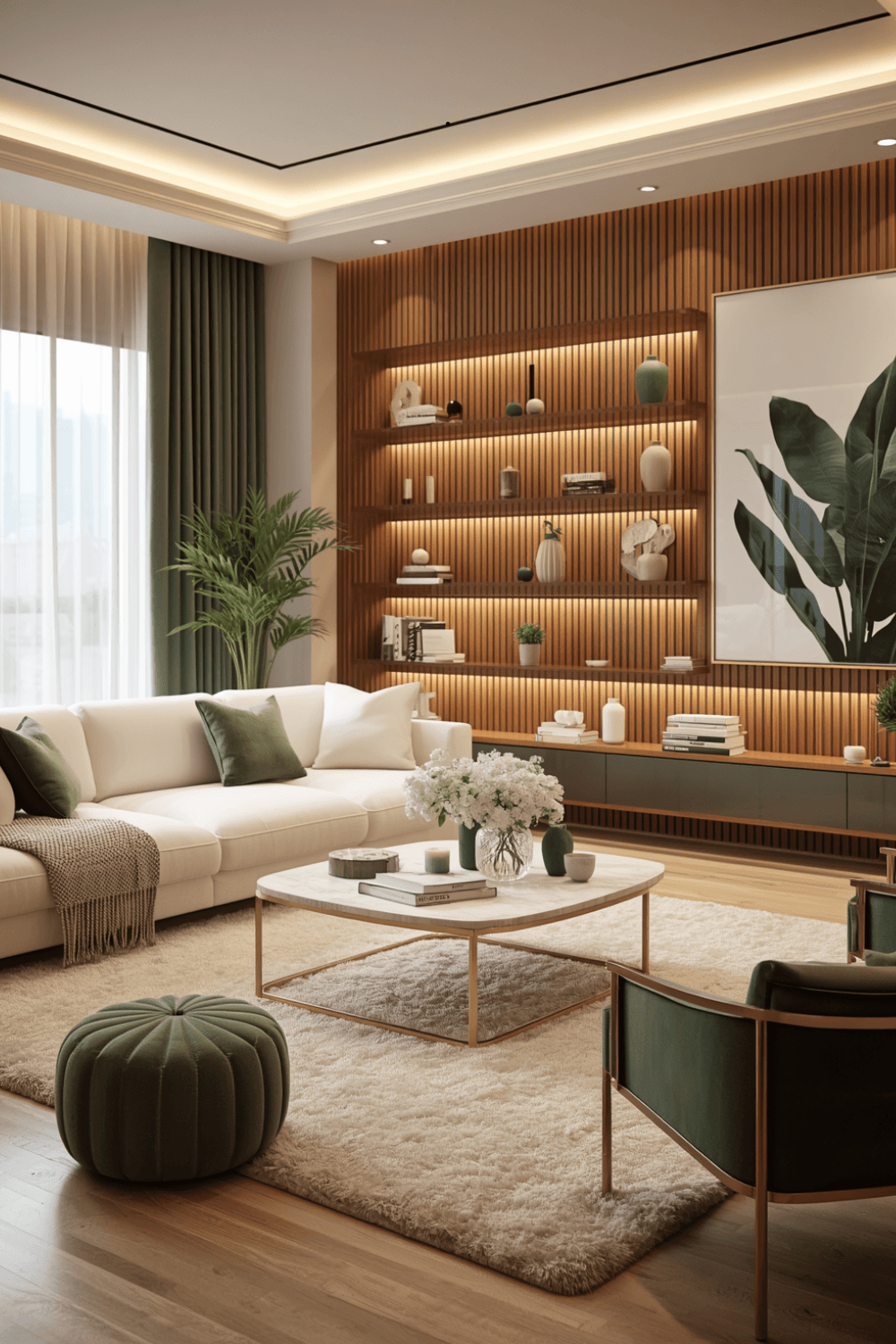
I now specifically recommend committing to just one wall in a bold, saturated green, keeping the remaining walls a lighter neutral. That balance lets the green read as a genuine design statement rather than overwhelming the whole space with heavy color.
2. Choose a lighter, more muted green if you do want full room coverage
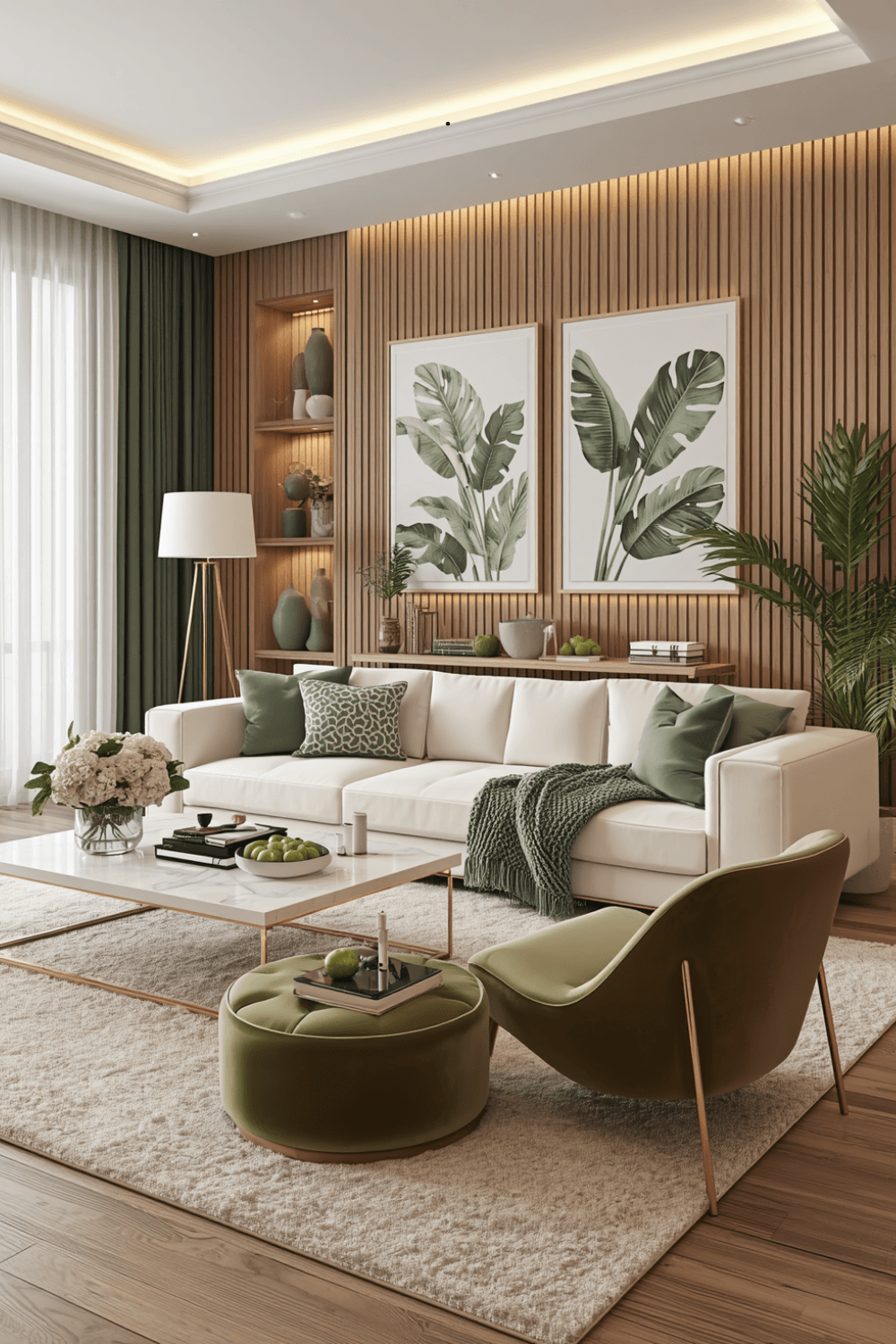
If you’re set on covering more than one wall, I’d lean toward a softer sage or muted olive rather than a deep, saturated forest tone. Lighter greens carry far less visual weight and are much more forgiving across a room with limited natural light.
3. Balance dark green with plenty of white or cream trim
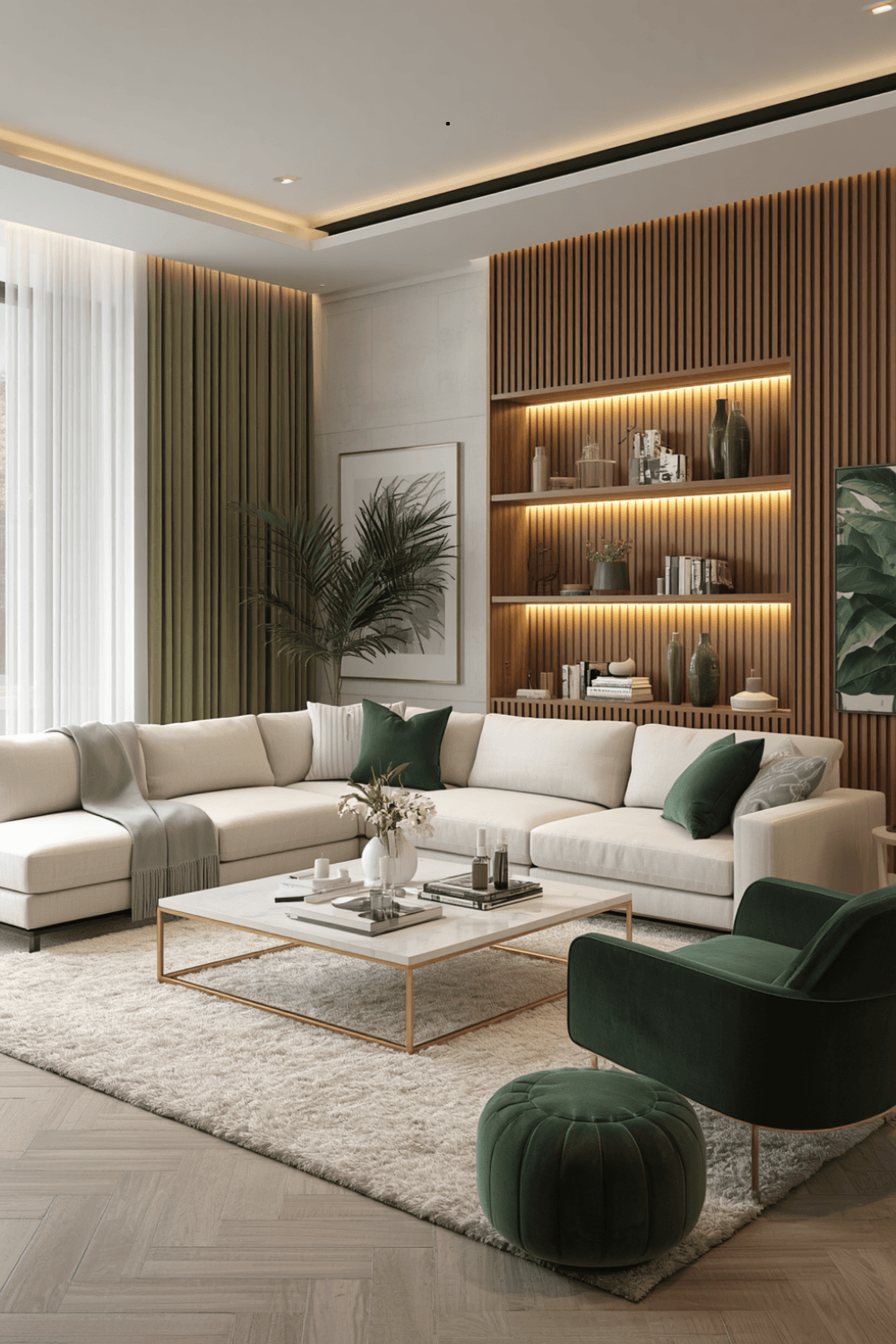
I made sure my baseboards, trim, and ceiling stayed a crisp white rather than being swallowed into more green throughout the room. That contrast gives the eye somewhere to rest and keeps the accent wall from feeling like it’s closing in on the rest of the space.
4. Add warm wood tones to soften the coolness of deeper greens
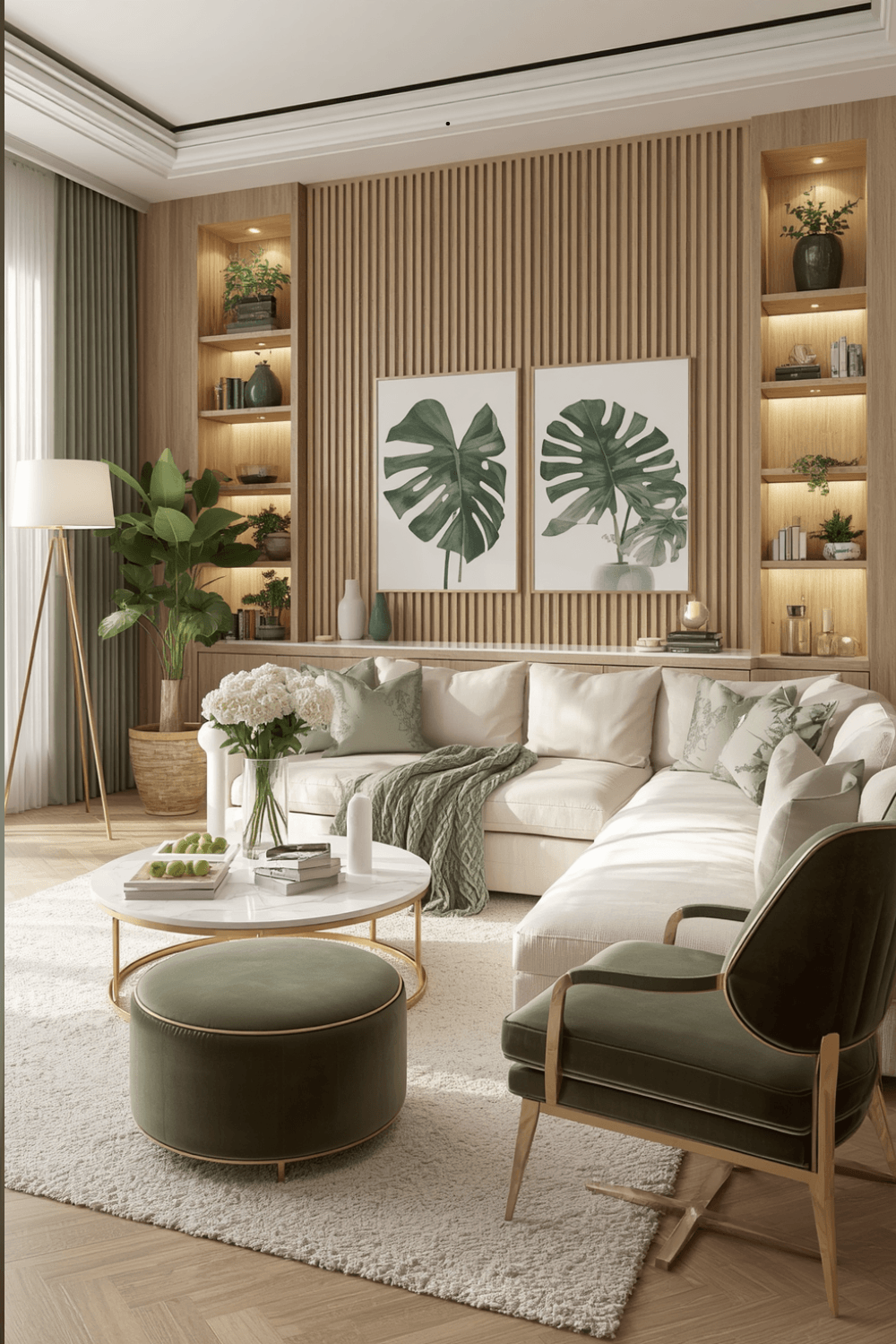
I added a walnut coffee table and a wood-framed mirror, which balanced the cooler undertone in my deep green accent wall in a way white alone couldn’t achieve. Warm wood genuinely does a lot of work softening green’s more serious, moody character.
5. Layer in brass or gold accents for a richer, more elevated feel
I swapped my chrome lamp bases for brushed brass ones, which paired beautifully with the green and added a sense of warmth and polish. Green and brass have become a fairly classic pairing for good reason, the metallic warmth balances green’s cooler, more grounded character nicely.
6. Use plants to reinforce the green tone naturally
I added a couple of larger plants, a fiddle leaf fig and a trailing pothos, which echoed the wall color in a more organic, textured way rather than relying purely on the flat painted surface to carry the whole green theme. It gave the room a more layered, intentional feel.
7. Maximize natural light wherever your room allows it
I switched to sheer curtains instead of the heavier blackout ones I’d originally had, letting in significantly more natural light throughout the day. In a room with a deep accent color, maximizing whatever natural light you do have becomes more important than it would be in an all-neutral space.
Real Examples That Actually Work
A friend used a soft sage green on all four walls in her smaller living room, paired with light oak furniture and white trim throughout. Because she chose a much more muted shade than my original deep forest tone, the room reads as calm and airy rather than heavy, even with green covering the entire space.
Another friend committed to a single, dramatic emerald green accent wall behind her media console, paired with black metal accents and warm wood shelving. The boldness of that one wall, balanced by mostly neutral surroundings, gives her living room a genuinely striking focal point without overwhelming the whole space.
Common Mistakes to Avoid
Covering every wall in the same deep, saturated green shade. It can feel heavy and closed-in fast, especially in a room with limited natural light.
Choosing a bold green without considering your room’s actual light levels. Darker, more saturated shades absorb more available light than people expect.
Skipping white or cream trim as a visual break. Contrast trim keeps a bold green wall from feeling like it’s closing in on the rest of the room.
Pairing green only with cool-toned metals and materials. Warm wood and brass genuinely help balance green’s cooler, more serious character.
Relying solely on paint to carry the green theme. Plants add the same tone in a more textured, organic way that flat painted walls alone can’t achieve.
Final Thoughts
My green living room taught me that this particular color needs real restraint to feel cozy instead of overwhelming, and the shift from four full walls to a single accent wall made a bigger difference than almost any other change I could have made. Balancing that bold color with warm wood, brass accents, and plenty of natural light finally gave me the rich, intentional feeling I’d originally pictured.
If you’re drawn to consider using it as a single accent wall rather than covering the whole and balance it with warm materials and light-reflecting trim. That combination is really what separates a green living room that feels rich and cozy from one that ends up feeling more like standing in a forest than relaxing at home.