
Outdoor Patio Furniture Ideas: What I Learned After My First Set Fell Apart in One Summer
I bought a genuinely beautiful patio set on sale, drawn in by the price and the way it looked in the store display, without checking much beyond that.
That expensive lesson sent me back to actually research outdoor furniture materials properly before buying my replacement set, which has now held up beautifully through several full seasons. Here’s what I learned about the specific choices that separate patio furniture that lasts from furniture that falls apart fast.
Outdoor Furniture Needs Genuinely Different Material Considerations Than Indoor Pieces
I initially shopped for my patio set the same way I’d shop for indoor furniture, based mostly on style and price, without thinking through how specific materials would actually hold up to sun, rain, and temperature swings. What looks fine in a covered showroom display doesn’t always translate to genuine outdoor durability.
Once I started researching material-specific weather resistance before buying anything, my replacement choices held up dramatically better than my original impulse purchase.
My Mistake: Choosing Style Over Genuinely Weather-Rated Materials
The combination meant rust set in fast, and the cushions faded and developed mold within a single rainy season.
Step-by-Step: Choosing Outdoor Patio Furniture That Actually Lasts
1. Choose frame materials genuinely rated for outdoor use
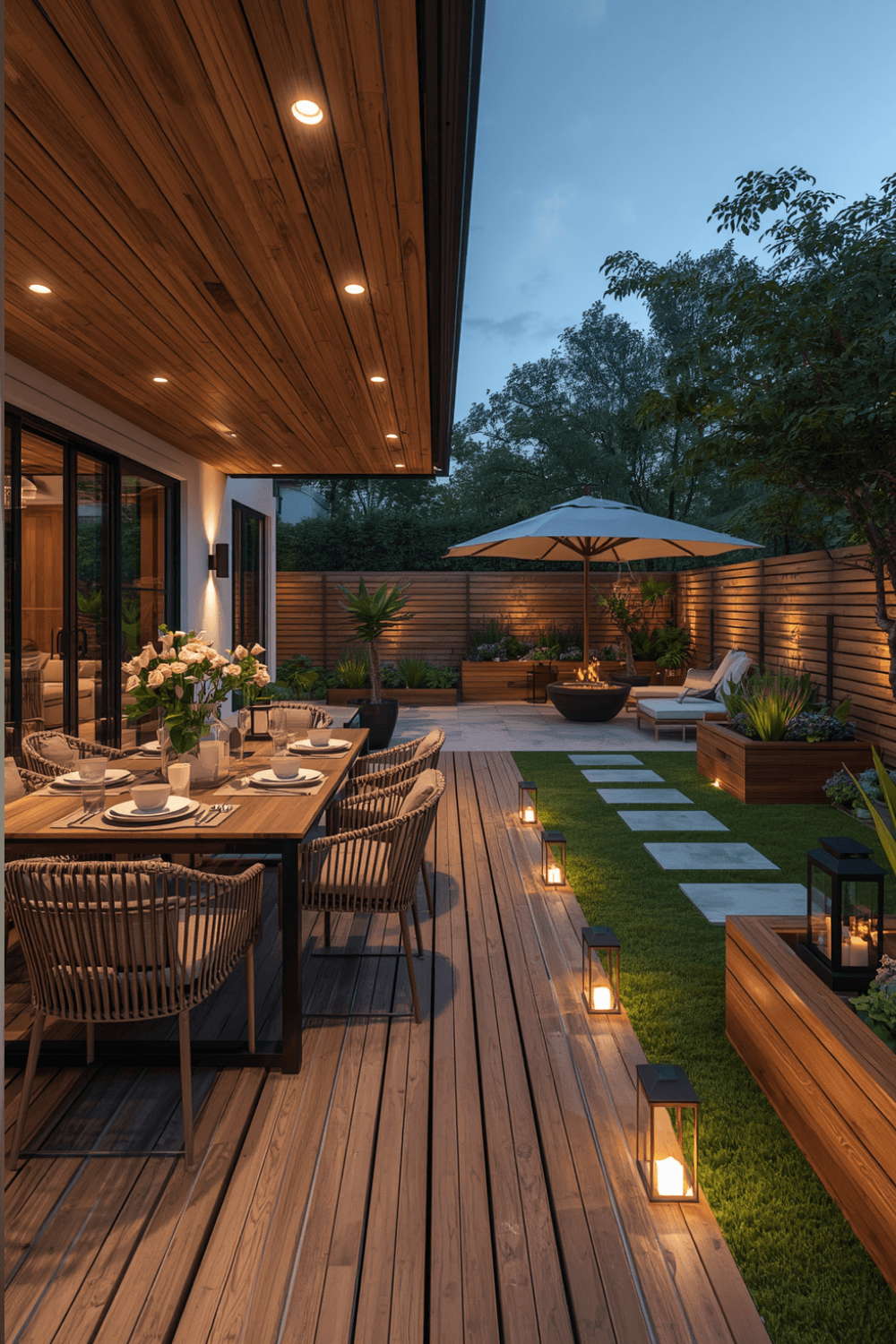 I now specifically look for powder-coated aluminum, teak, or genuinely weather-treated wicker rather than basic painted metal or untreated wood. These materials are specifically engineered to resist rust, rot, and general weather damage in a way that furniture merely styled to look outdoor-appropriate often isn’t.
2. Use fabric specifically designed for outdoor exposure
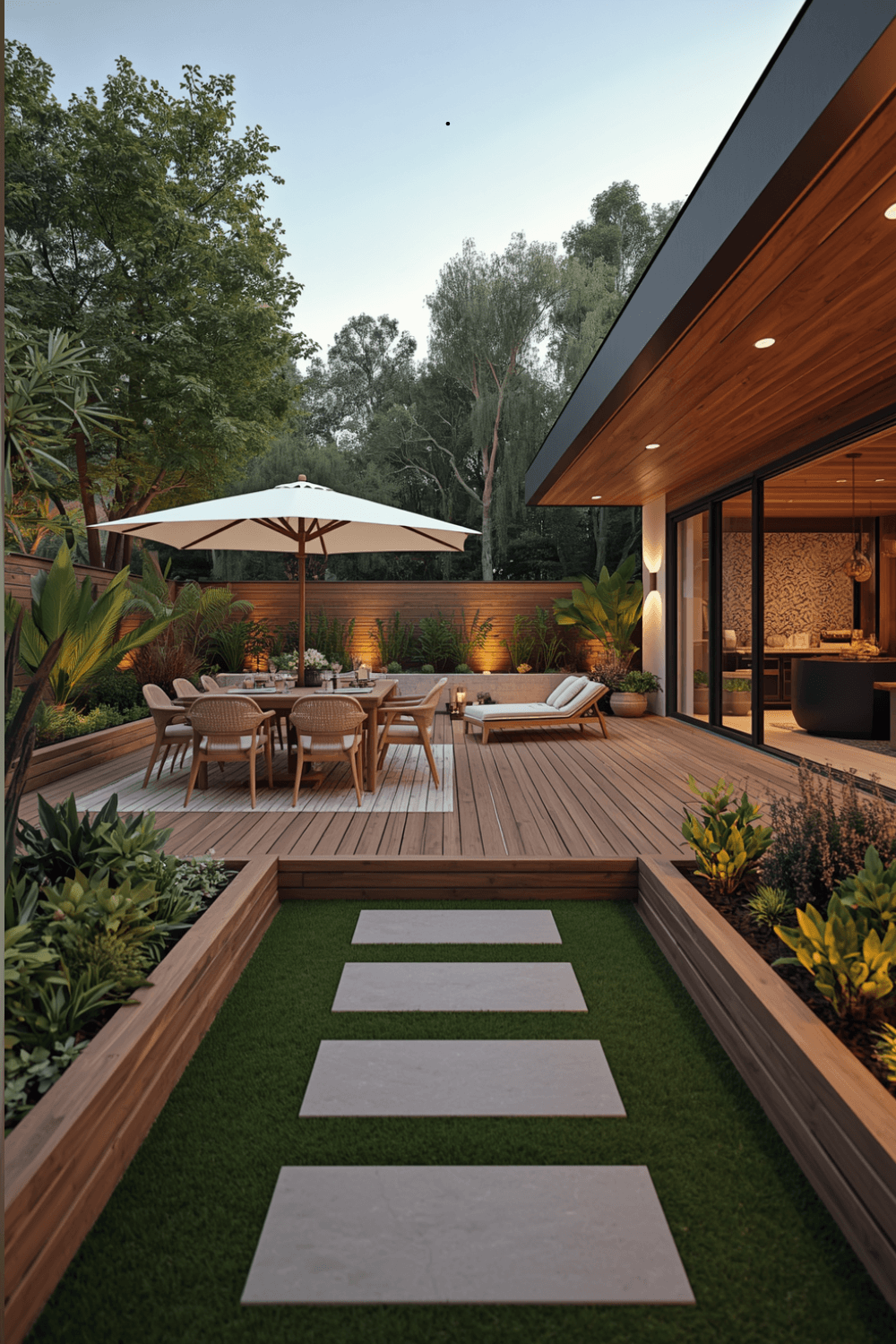 My replacement cushions use Sunbrella fabric, which resists fading and mildew from consistent moisture exposure far better than standard indoor fabric ever could. It costs more upfront, but I haven’t dealt with a single fading or mildew issue since switching, even through a full summer of direct sun and rain.
3. Check the specific rust resistance of any metal components
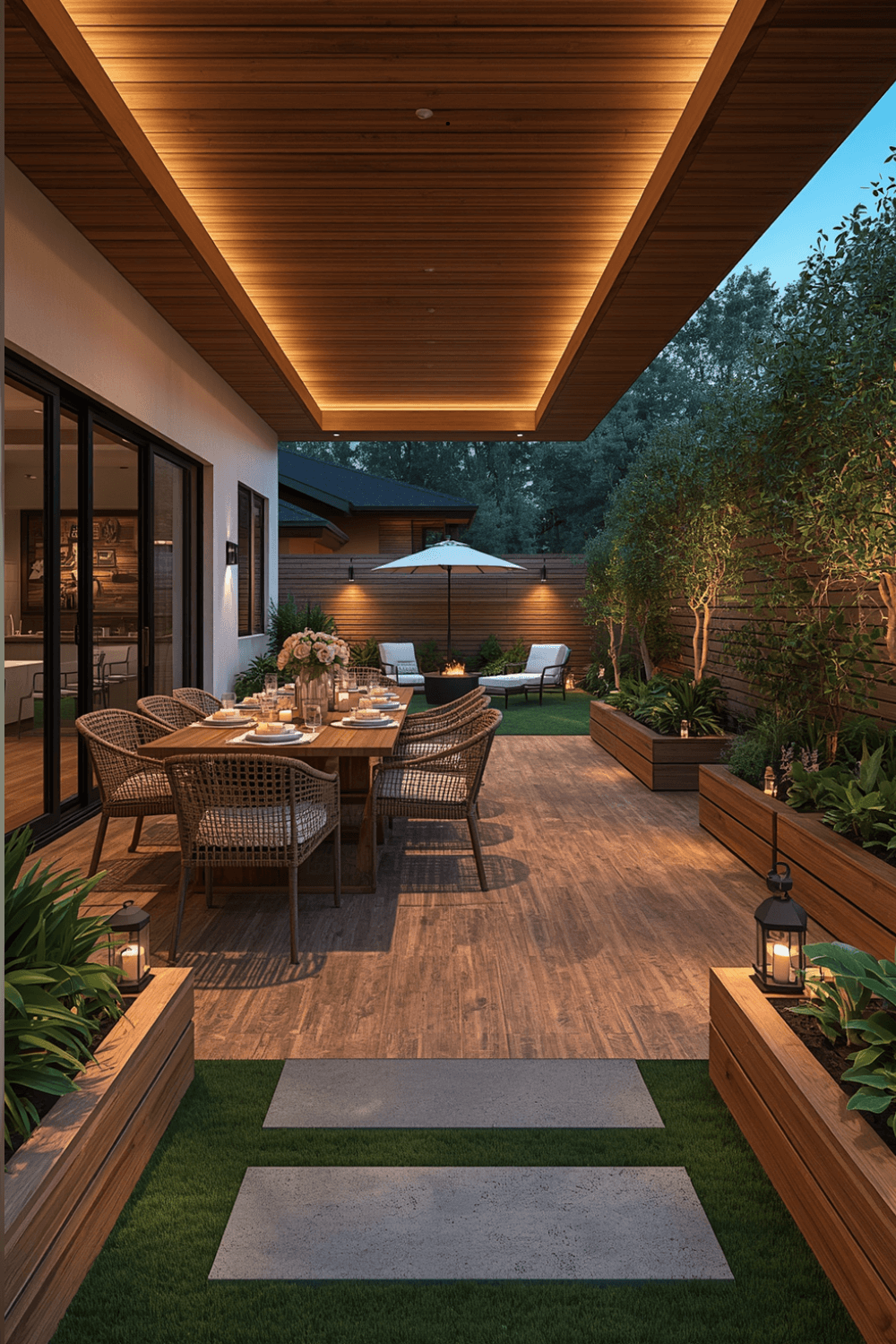 I learned to specifically ask about rust resistance ratings on metal furniture rather than just assuming “outdoor” labeling meant genuine durability. Powder-coated finishes hold up significantly better than basic painted ones, which is a detail easy to overlook when comparing furniture purely on style and price.
4. Consider your specific climate’s biggest challenge
I live somewhere with genuinely heavy summer rain, so moisture resistance mattered more for my choices than, say, extreme UV exposure might matter for someone in a drier, sunnier climate. Thinking through your specific region’s biggest weather challenge helps prioritize which material properties actually matter most for your situation.
5. Add a storage plan for cushions during off-season or storms
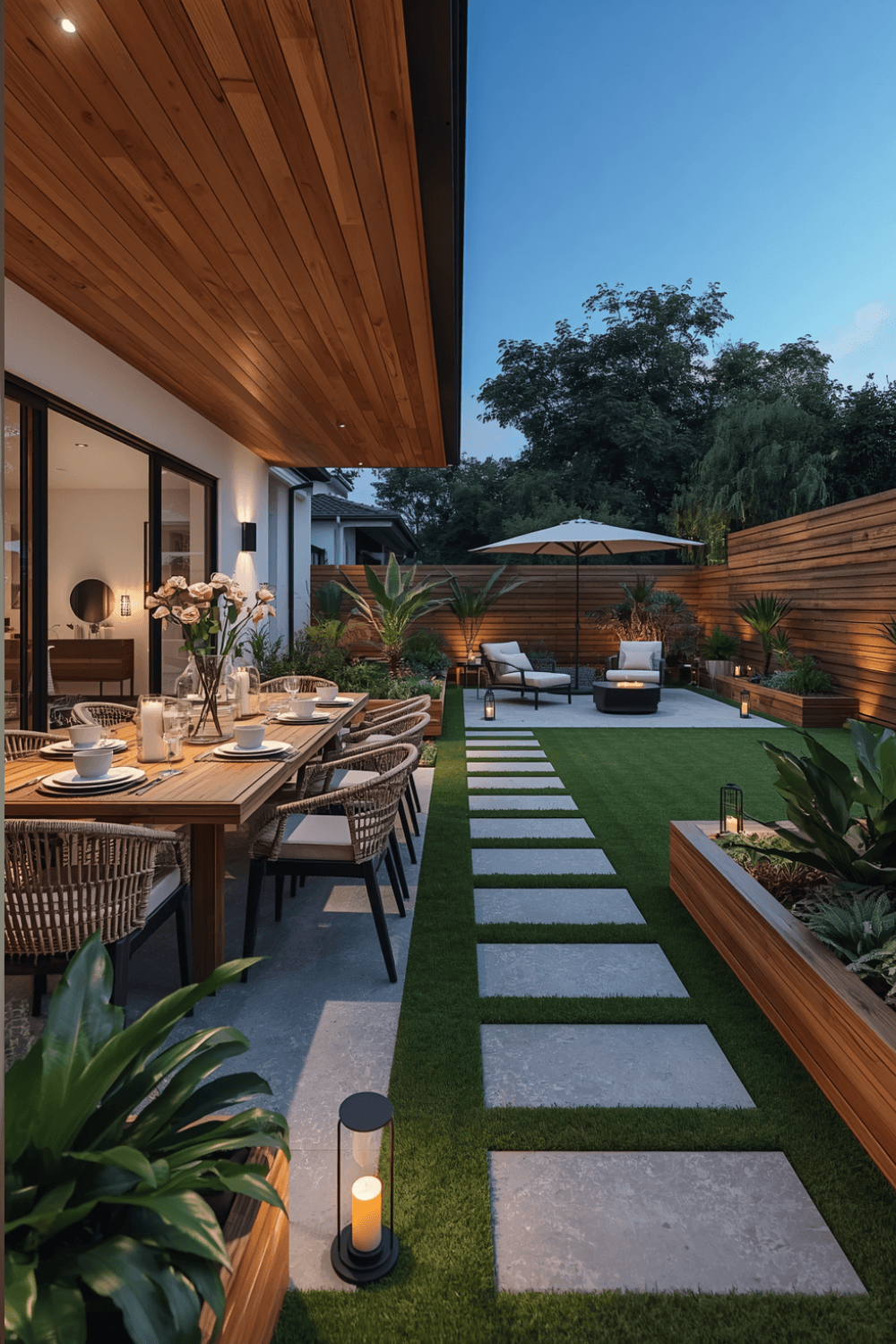 I added a simple weatherproof deck box specifically for storing cushions during storms or the off-season, rather than leaving them exposed to weather they weren’t actively being used in. Even genuinely outdoor-rated fabric lasts longer with some protection during periods of non-use.
6. Choose furniture with drainage holes or slatted designs
I specifically look for furniture with drainage features built in, slatted seats or small drainage holes, which prevents water from pooling and causing damage after rain. Solid, non-draining surfaces tend to hold moisture against the material longer, accelerating wear.
7. Invest in furniture covers for genuinely extended protection
I added fitted outdoor furniture covers for the pieces I use least frequently, which adds another layer of protection beyond the furniture’s inherent weather resistance. It’s a relatively small additional cost that meaningfully extends how long the furniture itself stays in good condition.
Real Examples From People I Know
A friend in a coastal area specifically chose teak furniture for her patio, since it naturally resists the saltwater air and humidity that caused her previous furniture to deteriorate quickly. The higher upfront cost has paid off in noticeably less wear after several seasons compared to her original cheaper set.
Another friend on a tighter budget chose resin wicker furniture instead of natural wicker, specifically because it handles moisture and sun exposure without the rot and fading issues natural materials can develop over time. It gave her a similar aesthetic to natural wicker at a lower long-term maintenance cost.
Common Mistakes to Avoid
Choosing furniture based purely on style and price without checking material weather ratings. This alone caused my entire original set’s rapid deterioration.
Using standard indoor fabric on outdoor cushions. Genuinely outdoor-rated fabric resists fading and mildew in a way regular fabric simply can’t handle long-term.
Assuming any furniture labeled “outdoor” has the same durability. Rust resistance and finish quality vary significantly even within furniture marketed for outdoor use.
Leaving cushions exposed to weather they’re not actively being used in. Even durable fabric benefits from storage protection during storms or off-season periods.
Choosing solid, non-draining furniture surfaces. Pooling water accelerates wear regardless of how weather-resistant the underlying material otherwise is.
Final Thoughts
My first patio set taught me that outdoor furniture genuinely needs different material considerations than anything I’d buy for an indoor room, and skipping that research cost me an entire set within a single season. The switch to powder-coated aluminum and genuinely outdoor-rated fabric made the difference between furniture that fell apart fast and furniture that’s held up beautifully for years since.
If you’re shopping for your own outdoor patio furniture, prioritize genuinely weather-rated frame materials and fabric over pure style and price, and think through your specific climate’s biggest challenge before choosing. That combination is really what separates patio furniture that lasts multiple seasons from a set you’ll be replacing again by next summer.