Ever notice how one good dining table can make an entire room feel finished, even if nothing else has changed? That’s the quiet power of solid dining table ideas, and it’s a lot more attainable than people assume.
The dining table is usually the biggest single piece of furniture in the room, and it’s the one that gets used the most, meals, homework, laptops, holiday gatherings, all at the same table. Getting it right matters more than most people expect going in. Let’s go through how to actually choose and style one well.
Why Dining Table Ideas Deserve Real Thought
A dining table isn’t just a surface. It’s where a huge amount of daily life actually happens, and it’s usually visible from the kitchen or living room, which means it’s doing double duty as both function and focal point.
Good dining table ideas balance a few things at once: the right size for your actual space and household, a shape that fits how you use the room, and styling that makes it feel considered rather than just furnished.
Style Directions
1. Modern Dining Table
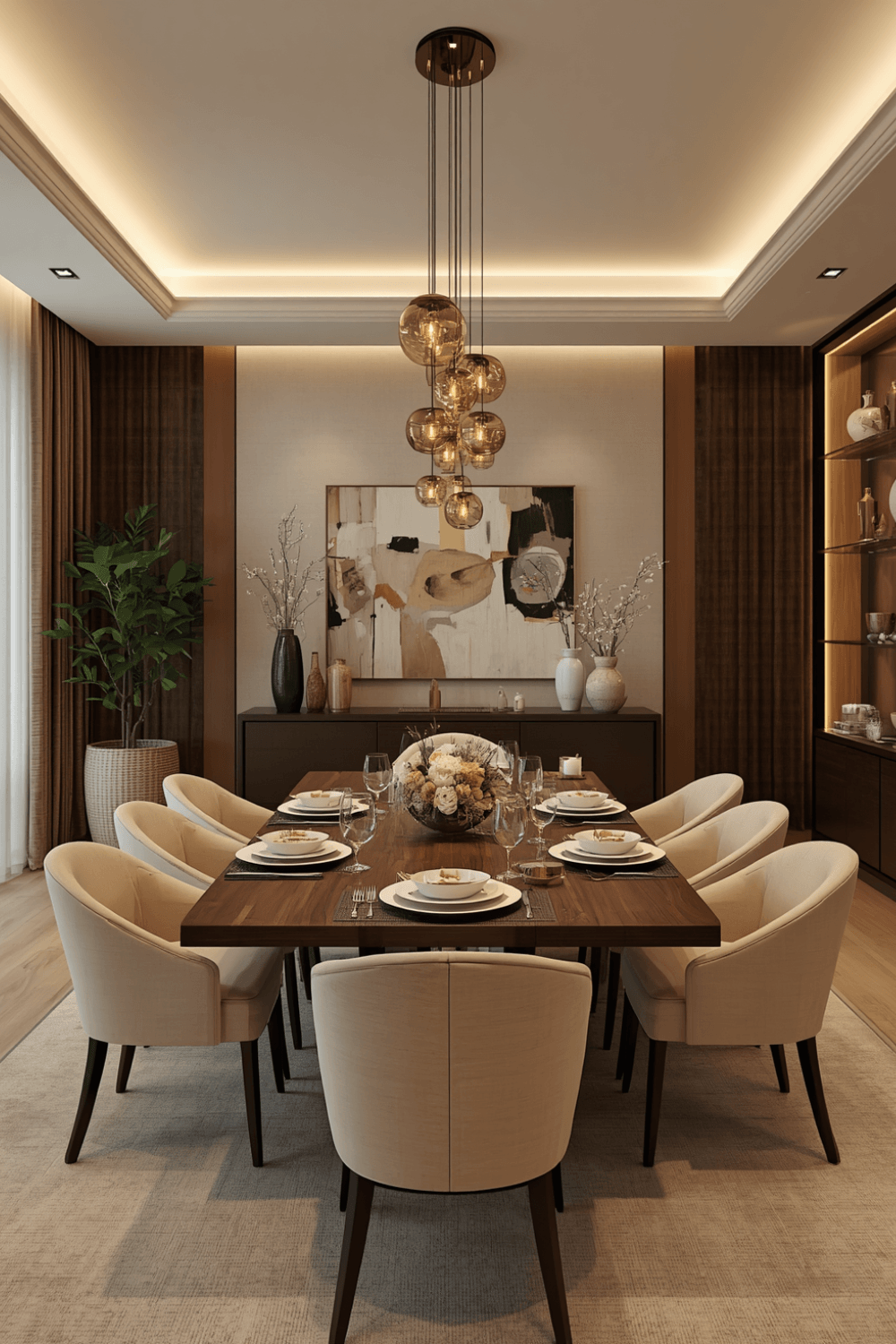
A modern dining table leans on clean lines, simple geometric shapes, and materials like glass, metal, and matte wood working together rather than competing. Pedestal or trestle bases are common in this direction, since they avoid the visual clutter of four separate legs.
2. Modern Dining Room Cohesion
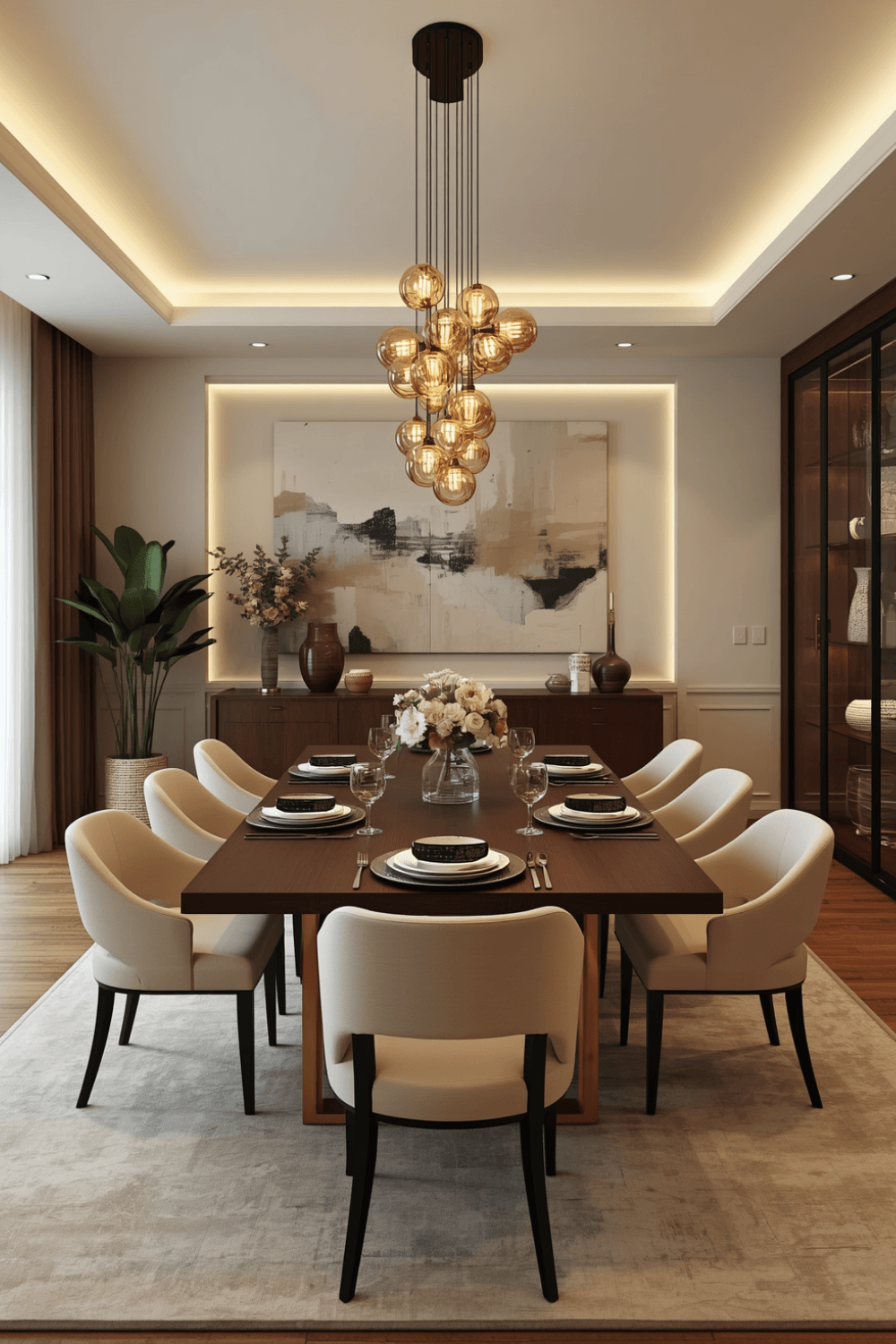
A modern dining room extends that same clean, current aesthetic beyond just the table, into the chairs, lighting, and wall treatment, so the table doesn’t feel like an isolated piece dropped into an otherwise mismatched room.
3. Luxury Dining Table Choices
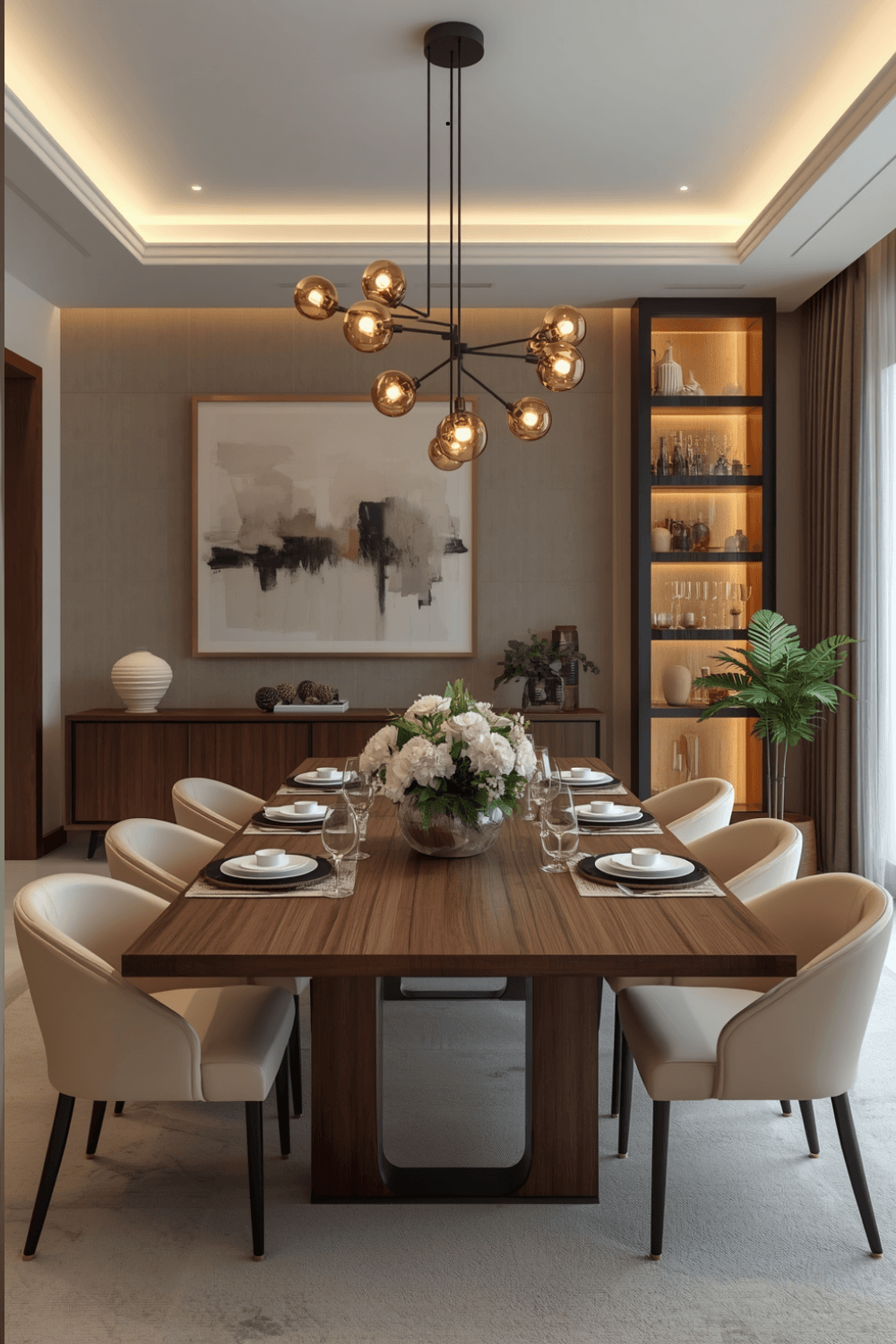
A luxury dining table usually comes down to material quality more than sheer size: solid wood or natural stone instead of veneer or laminate, and a base with real craftsmanship, hand-finished metal or substantial turned wood, rather than something mass-produced and generic.
4. Formal Dining Table Ideas
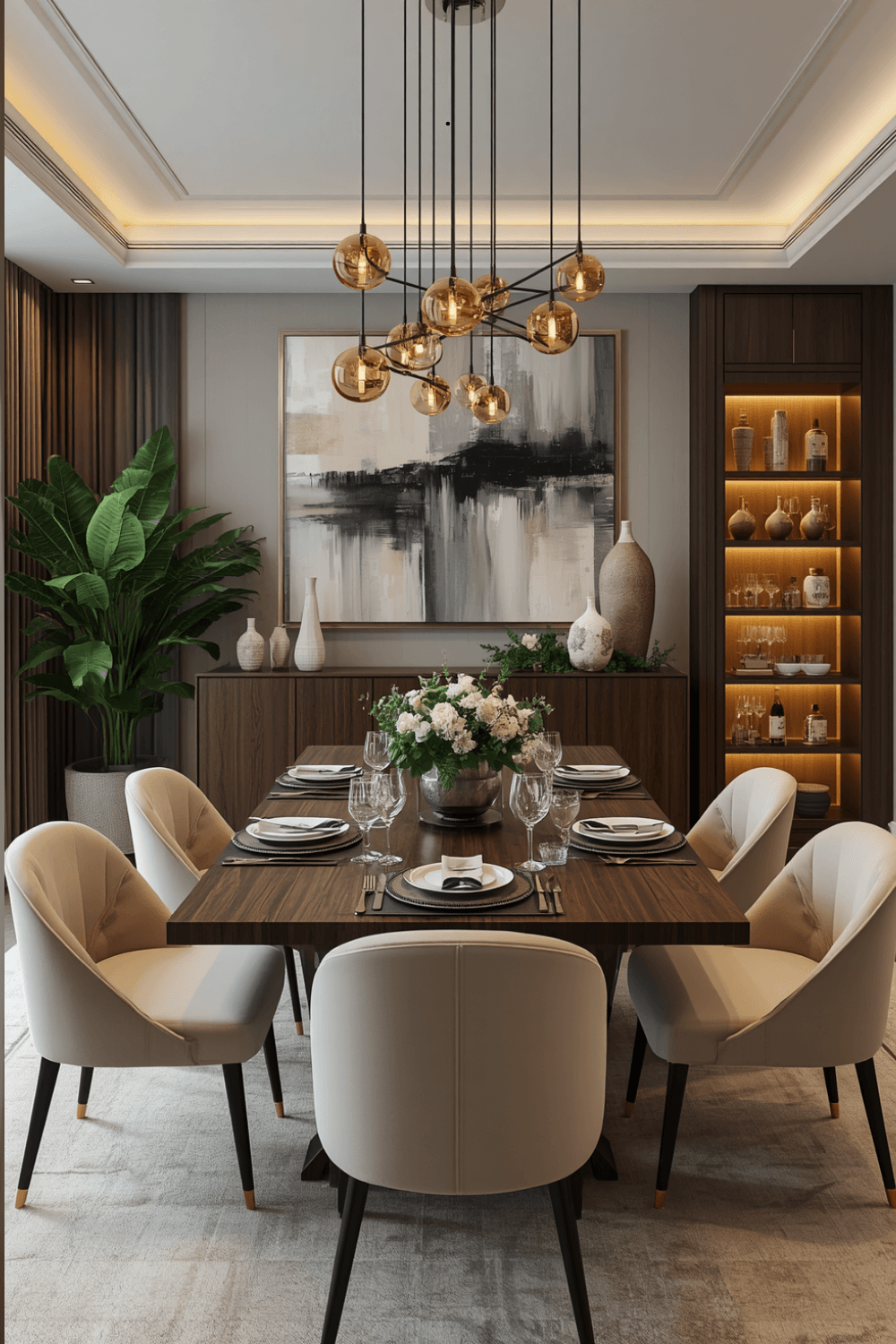
Formal dining table ideas lean into symmetry and polish: a rectangular table that seats an even number comfortably, matching chairs rather than a mixed set, and a centerpiece substantial enough to hold its own in a room dedicated specifically to dinner parties and holidays.
Sizing and Flexibility
5. Extendable Dining Table Options
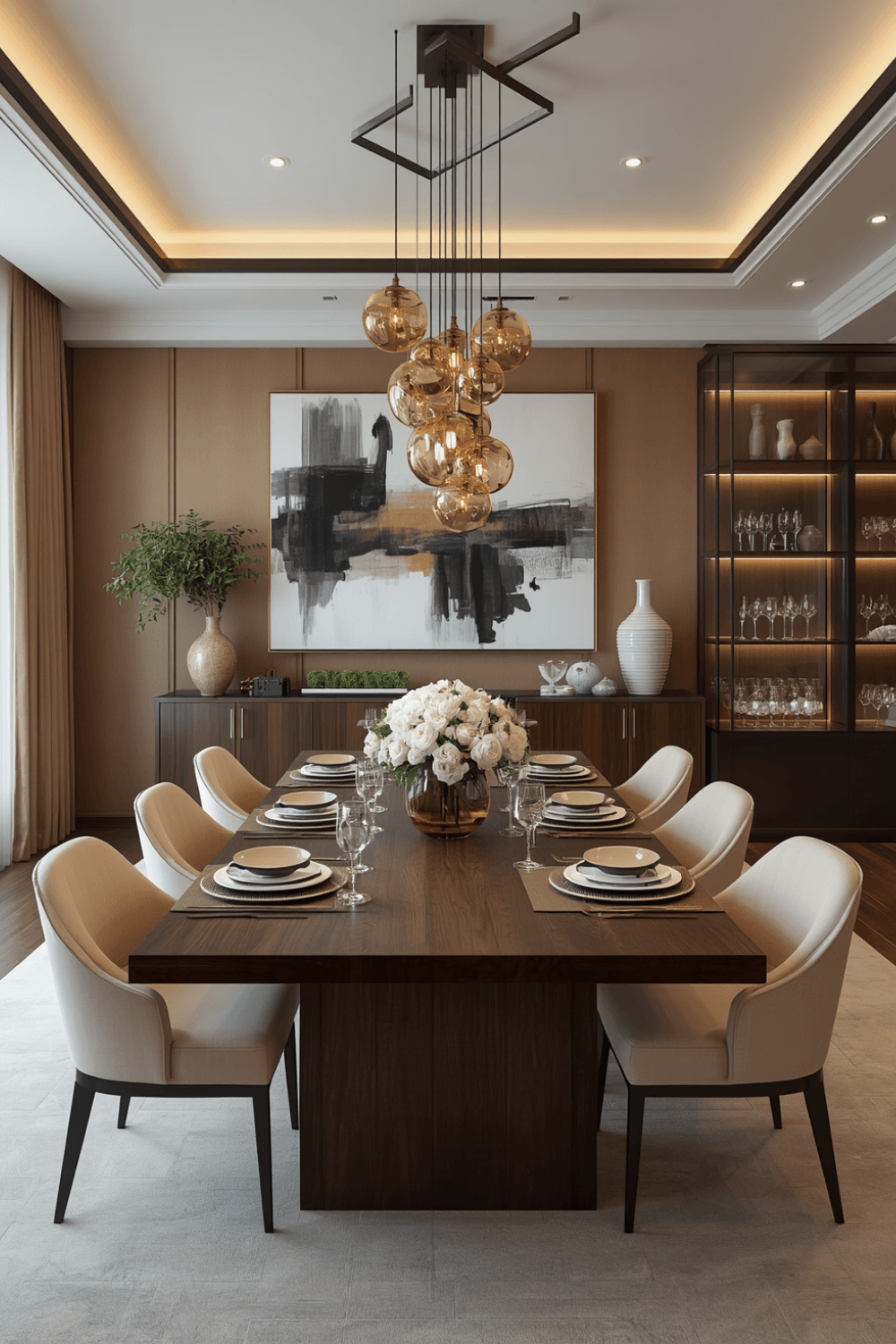
An extendable dining table solves a real, common problem: everyday meals for a small household versus hosting a much larger group a few times a year. A table with a leaf or a butterfly extension mechanism gives you both without needing to own two separate tables.
6. Small Dining Table Ideas
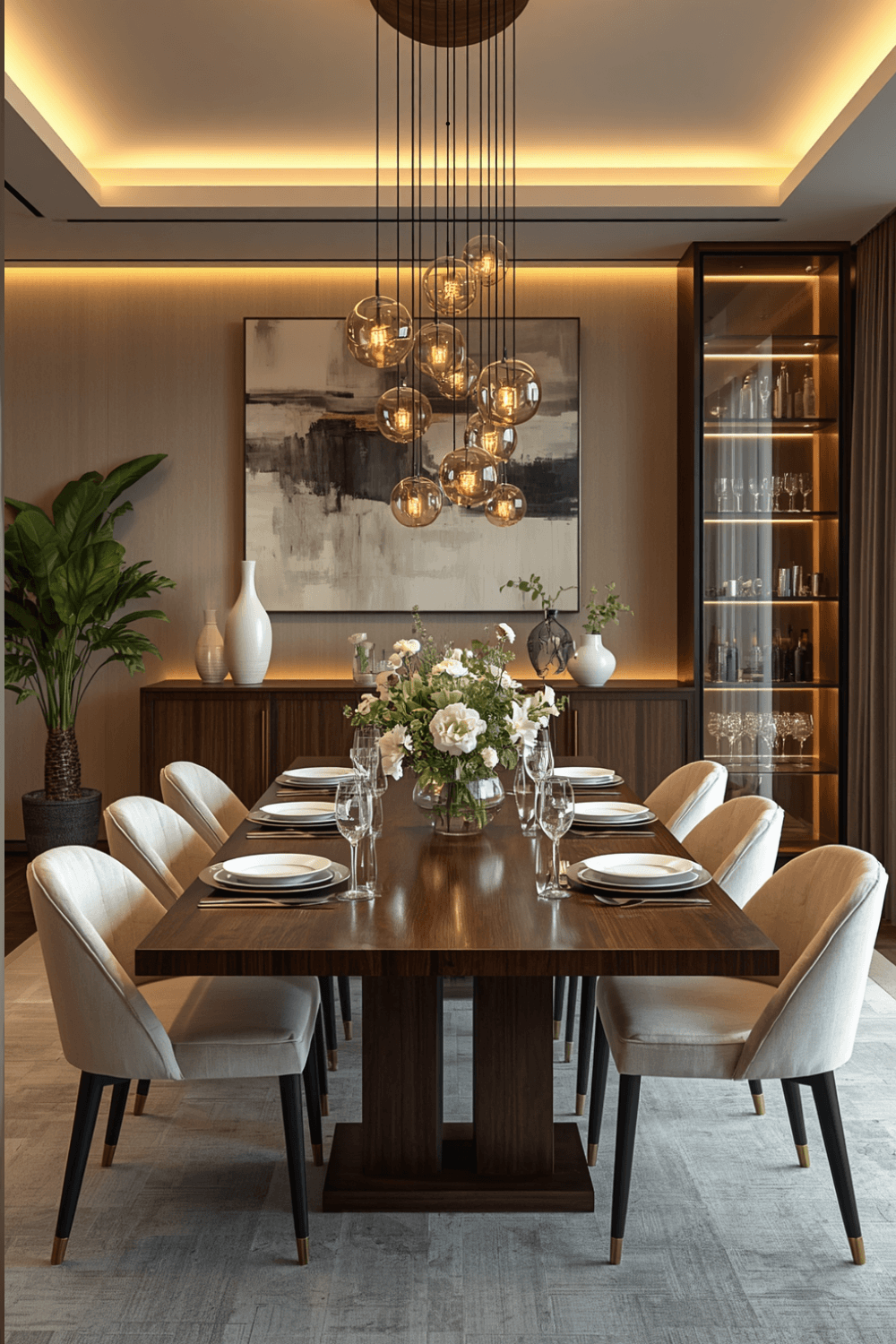
Small dining table ideas prioritize shape as much as size. A round or oval table often fits a tight space better than a rectangular one, since there are no sharp corners to navigate around, and it can genuinely seat more people comfortably per square foot than you’d expect.
Styling the Table
7. Dining Table Styling Principles
Dining table styling works best when it can be cleared quickly for actual meals, since an overly precious, hard-to-move setup just gets abandoned in daily use. A runner, a low centerpiece, and maybe a small stack of books is usually enough to make the table feel styled without being fussy.
8. Dining Table Decor That Holds Up Daily
Dining table decor should account for how often the table actually gets used for eating, working, or just living. Durable materials, a wipeable runner instead of delicate linen for everyday use, and decor pieces low enough not to block sightlines across the table, all matter more than they might in a purely decorative vignette.
9. Dining Table Decoration for Special Occasions
Dining table decoration gets to be a bit more elaborate for holidays or dinner parties: taller florals, individual place settings, and layered textiles that wouldn’t necessarily survive a Tuesday family dinner but work beautifully for a few hours of hosting.
The Centerpiece
10. Dining Table Centerpiece Ideas
A dining table centerpiece should stay low enough that people can actually see and talk to each other across the table, this is the most common styling mistake people make. A shallow bowl of fruit, a low arrangement of greenery, or a cluster of varying-height candles (unlit during meals with kids) all work well without blocking conversation.
Quick Recap: Dining Table Ideas Worth Prioritizing
If you’re short on time, here’s the shortlist:
- Size the table to your actual household and entertaining habits, an extendable option solves a lot of this at once.
- Pick a shape that fits your room, round or oval for tight spaces, rectangular for more formal or larger rooms.
- Choose a style direction, modern or formal, and let the chairs and lighting follow that same language.
- Style with a low centerpiece that doesn’t block sightlines across the table.
- Keep everyday decor simple and durable, saving anything elaborate for special occasions.
Internal Linking Suggestions
If you’re building out related content on the site, these topics would connect naturally with this post:
- How to choose dining chairs that pair well with your table
- Statement lighting guide for over the dining table
- Small space furniture arrangement tips
Final Thoughts
Dining table ideas that actually work come down to sizing the table honestly to your space and household, choosing a style direction that fits the rest of the room, and styling it in a way that survives daily use rather than just looking good in a single photo.
Measure your space and think honestly about how often you actually host before you shop. That one decision, extendable or fixed, round or rectangular, shapes almost everything else about the table you’ll end up happy with.
Frequently Asked Questions
What size dining table do I need? Allow roughly 24 to 28 inches of table width per person for comfortable seating. For a household of four that entertains occasionally, an extendable table starting around 60 inches and expanding to 78 or more is a common, flexible choice.
Round or rectangular dining table, which is better? It depends on your room. Round or oval tables tend to work better in smaller or squarer rooms since they have no sharp corners to navigate, while rectangular tables suit longer rooms and larger households better.
What’s the best material for an everyday dining table? Solid wood with a durable sealed finish tends to hold up best to daily use, spills, and general wear, while still looking good for years compared to laminate or veneer surfaces.
How do I style a dining table for everyday use? Keep it simple and low-maintenance: a runner, a low centerpiece like a bowl of fruit or greenery, and nothing that needs to be moved before every meal. Save more elaborate styling for special occasions.
Is an extendable dining table worth it? For most households, yes, especially if you regularly host more people than you seat on an average day. It gives you the flexibility of a smaller everyday table without needing to own or store a separate larger one.
What makes a dining table feel formal? Symmetry and material quality do most of the work: matching chairs, a rectangular shape, a substantial centerpiece, and a solid wood or stone material rather than anything overly casual or mismatched.