
What I Learned After My Console Table Blocked the Whole Walkway
I bought a beautiful console table for my hallway because I loved how it looked in the store, without really measuring my actual hallway width first. Once it arrived and I set it against the wall, there was barely enough room to walk past it without turning sideways, which is a genuinely annoying thing to deal with every single day in a space you pass through constantly.
That mistake sent the table right back, and it forced me to actually think through hallway furniture differently than I would for a bigger, more forgiving room. Here’s what I learned finding pieces that actually work in a narrow, high-traffic space.
I initially shopped for my hallway console the same way I’d shop for any other piece, based on style and how it photographed. What I learned is that a hallway’s narrow footprint and constant foot traffic mean furniture needs specific depth and placement considerations that other rooms simply don’t require to the same degree.
Once I started measuring my actual walkway clearance and thinking through daily use, rather than just browsing based on looks, finding the right pieces became significantly more straightforward.
My Mistake: Not Measuring Walkway Clearance Before Buying
My original console table had a 16-inch depth, which felt reasonable until it was actually sitting in my genuinely narrow hallway. Combined with the wall on the opposite side, it left barely 24 inches of walking clearance, uncomfortably tight for regular daily use, especially when carrying anything bulky through.
I replaced it with a console just 10 inches deep, specifically chosen after measuring my hallway’s total width and working backward to figure out how much furniture depth I could actually afford to lose from the walkway.
1. Measure your hallway’s total width before shopping
I now measure my hallway’s narrowest point and subtract at least 24 to 36 inches for comfortable walkway clearance before even considering furniture depth options. That calculation tells me the maximum depth any piece can realistically be, rather than guessing and hoping something fits once it’s home.
2. Choose console tables specifically marketed as slim or narrow profile
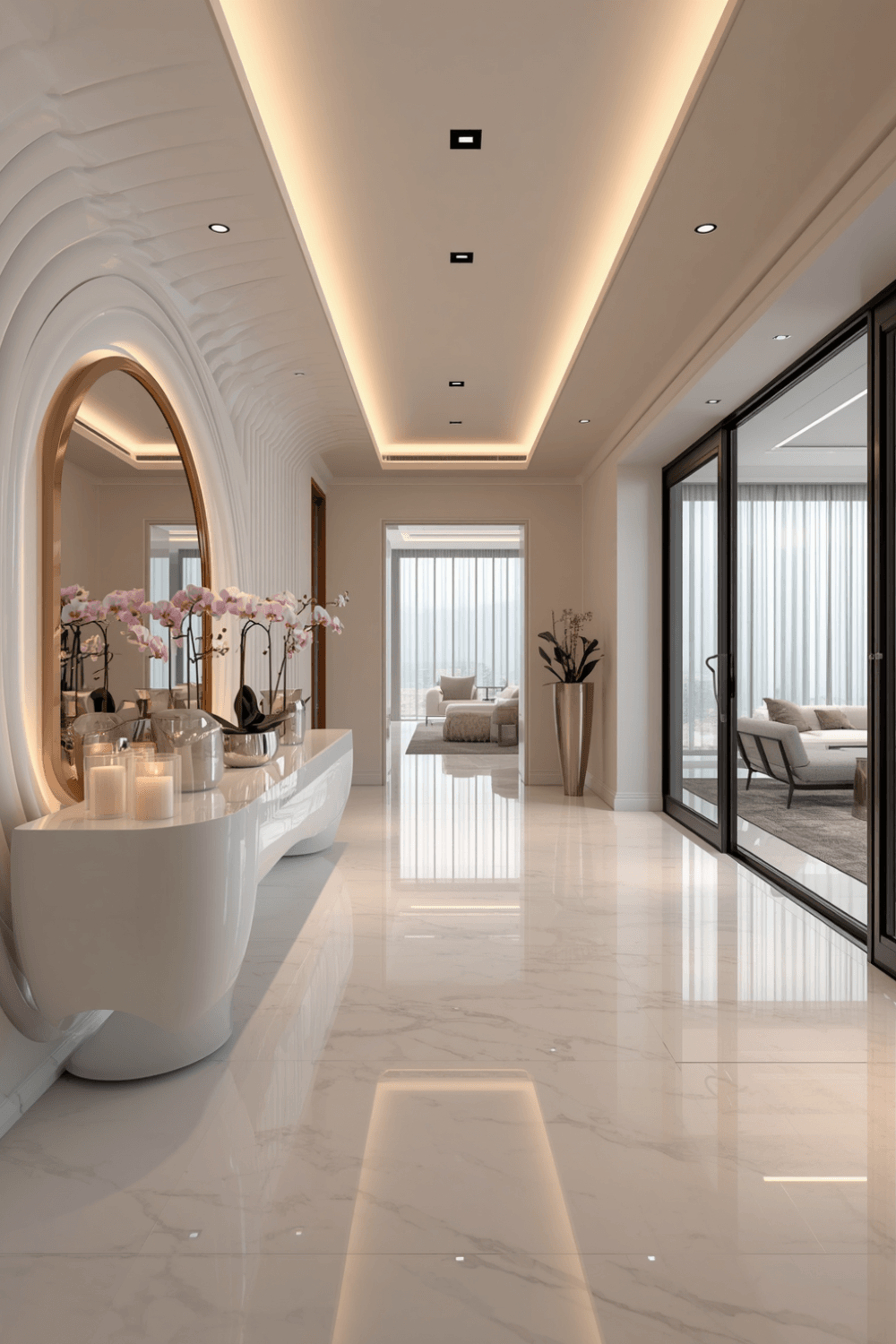 My replacement console at 10 inches deep falls into what’s typically marketed as a slim or narrow hallway console, a category that exists specifically for tight spaces like mine. Standard console tables are often designed with more generous rooms in mind and simply aren’t proportioned for a genuine hallway.
3. Prioritize furniture with legs over solid, bulky bases
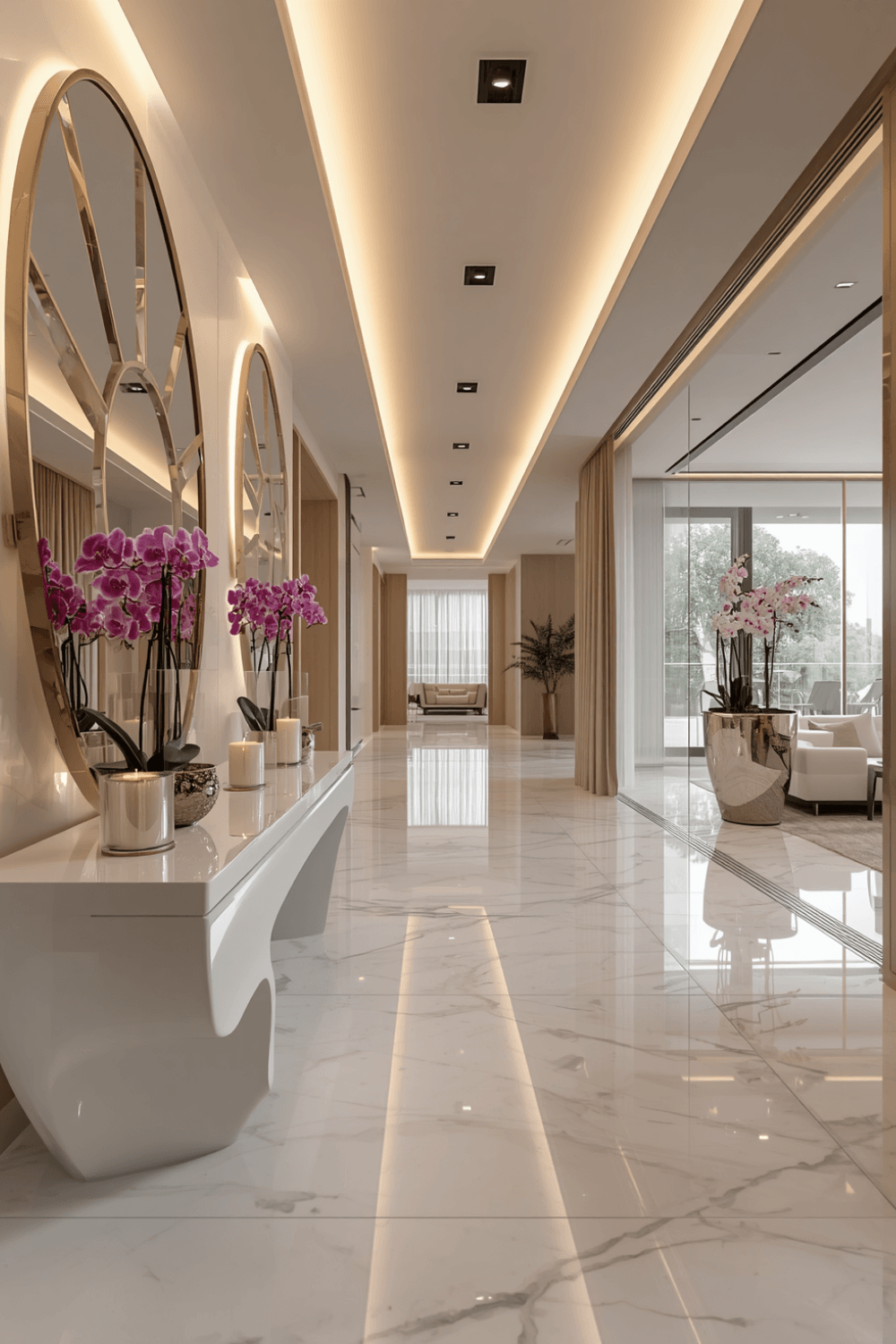 I chose a console with slim, visible legs rather than a solid base, which keeps the piece feeling lighter and less obstructive in the narrow space, even at a similar footprint. Furniture that shows floor underneath it tends to feel less imposing in a tight hallway than something with a solid, boxy base.
4. Add a slim bench only if your width genuinely allows it
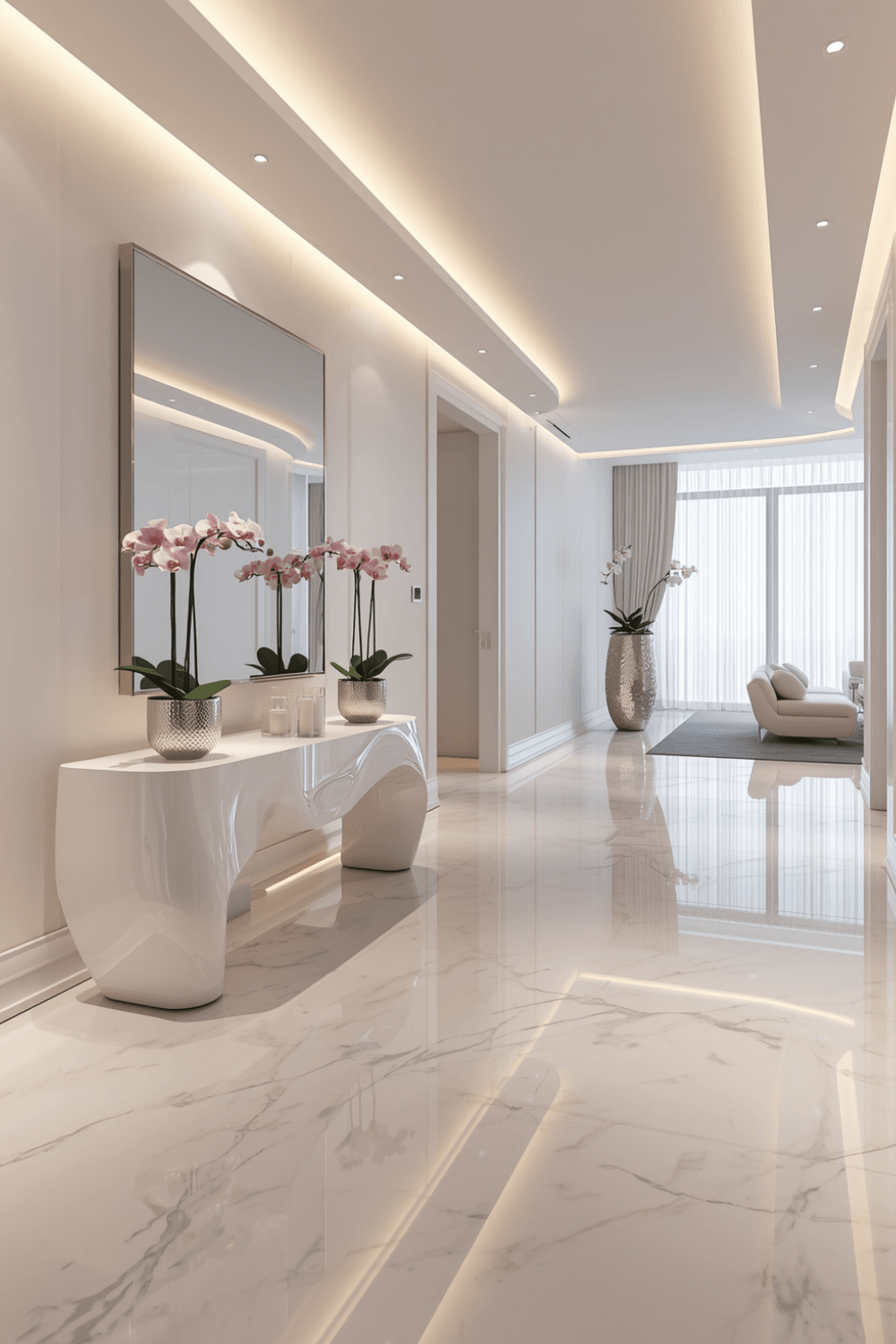 I considered adding a small bench for putting on shoes, but ultimately skipped it after realizing my specific hallway couldn’t accommodate both a console and a bench without seriously compromising walkway space. Not every hallway furniture idea works for every hallway, and being honest about your specific constraints matters more than following a general trend.
5. Use wall-mounted pieces instead of floor furniture where possible
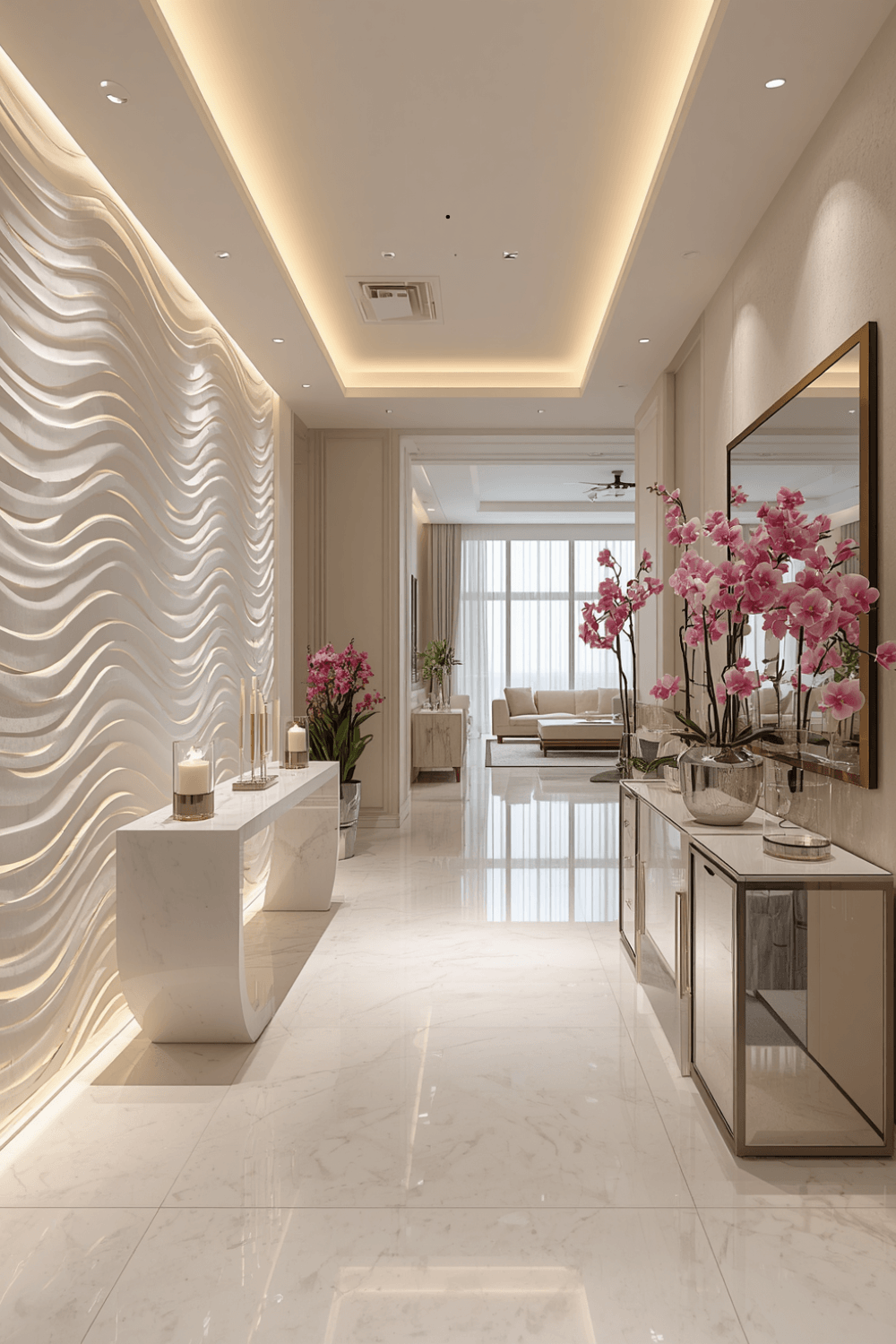 I added a slim wall-mounted shelf instead of additional floor storage, which provided extra surface space without eating into any walkway clearance at all. Going vertical is often the better solution in a hallway too narrow for multiple floor pieces.
6. Choose furniture placement that avoids doorway swing paths
 I positioned my console specifically outside the swing arc of two nearby doors that open into the hallway, which I hadn’t considered with my original placement. A piece that fits the hallway’s width can still cause problems if it interferes with how nearby doors actually open.
7. Consider a runner rug to visually anchor furniture without adding bulk
I added a runner rug beneath my console table, which helped the piece feel intentionally placed rather than randomly positioned along an empty stretch of wall, without taking up any additional physical space beyond the floor itself.
Real Examples From People I Know
A friend with an especially narrow hallway skipped a console table entirely and used a series of wall-mounted floating shelves at staggered heights instead, achieving a similar display function without any floor footprint at all. It’s a good option when even a slim console genuinely won’t fit comfortably.
Another friend in a wider hallway used a proper bench with storage underneath, since her space could actually accommodate the additional depth without compromising walkway clearance. She says measuring first, rather than assuming a bench would automatically work like it does in typical inspiration photos, saved her from a similar mistake to the one I made with my console.
Common Mistakes to Avoid
Buying hallway furniture based on style without measuring walkway clearance first. This alone caused my entire original console table return.
Assuming standard-depth furniture will work in a genuinely narrow hallway. Slim or narrow profile options exist specifically for tight spaces and are worth seeking out.
Choosing solid, bulky bases over furniture with visible legs. Legs keep a piece feeling lighter and less obstructive in a tight footprint.
Ignoring nearby door swing paths when positioning furniture. A piece that technically fits the hallway’s width can still cause problems if it blocks how doors actually open.
Trying to fit multiple furniture pieces into a hallway that only comfortably accommodates one. Being honest about your specific space’s limits matters more than replicating a general trend that worked for someone else’s wider hallway.
Final Thoughts
My hallway furniture mistake wasn’t really about choosing an unattractive piece, it was about not measuring the actual constraints of my narrow space before falling for something that looked great in a showroom. The depth and clearance issue alone cost me a return and reorder that proper measuring would have avoided from the start.
If you’re shopping for your own hallway furniture, measure your walkway clearance first, look specifically for slim-profile pieces with visible legs, and check nearby door swing paths before finalizing placement. That combination of steps is really what separates furniture that works daily from a piece that ends up blocking your own walkway.