
Luxury Arched Window Seat Ideas: What I Learned After Mine Looked Beautiful and Sat Terribly
I built a window seat into an arched nook in my living room, picturing myself curled up there with a book every evening. I chose a beautiful, structured cushion that matched the space perfectly in photos, and then discovered within about ten minutes of actually sitting on it that it was nowhere near comfortable enough for extended use. The foam was too firm, the depth was wrong, and I found myself avoiding the very spot I’d built specifically to enjoy.
That disappointing realization sent me back to rethink the cushion, the styling, and even the seat’s actual dimensions before it finally became somewhere I genuinely wanted to sit rather than just something nice to look at. Here’s what I learned building an arched window seat that’s both beautiful and actually usable.
A Window Seat Needs to Function as Real Seating, Not Just a Design Feature
My original mistake was treating the window seat primarily as an architectural design element, something beautiful to look at, rather than genuine functional seating that needed the same comfort considerations as any couch or chair. Because the arch made the whole space feel special, I think I subconsciously prioritized how it looked over how it actually felt to sit in.
Once I started applying the same comfort standards I’d use for any seating decision, the difference between my original attempt and the fixed version was dramatic.
My Mistake: Choosing Cushion Firmness and Depth Based on Looks Alone
My original cushion was a firm, tailored foam piece that looked crisp and structured in photos but felt more like sitting on a park bench than a cozy reading nook. The seat depth was also too shallow for me to actually sit back comfortably, which meant constantly perching on the edge rather than settling in.
I replaced it with a deeper, softer cushion using a higher density foam wrapped in a plusher fabric, and had it custom-cut to properly fill the actual seat depth of my arched nook. The difference in how much I actually used the space afterward was immediate and significant.
Step-by-Step: Designing a Luxury Arched Window Seat That’s Actually Comfortable
1. Measure your actual seat depth before ordering a cushion
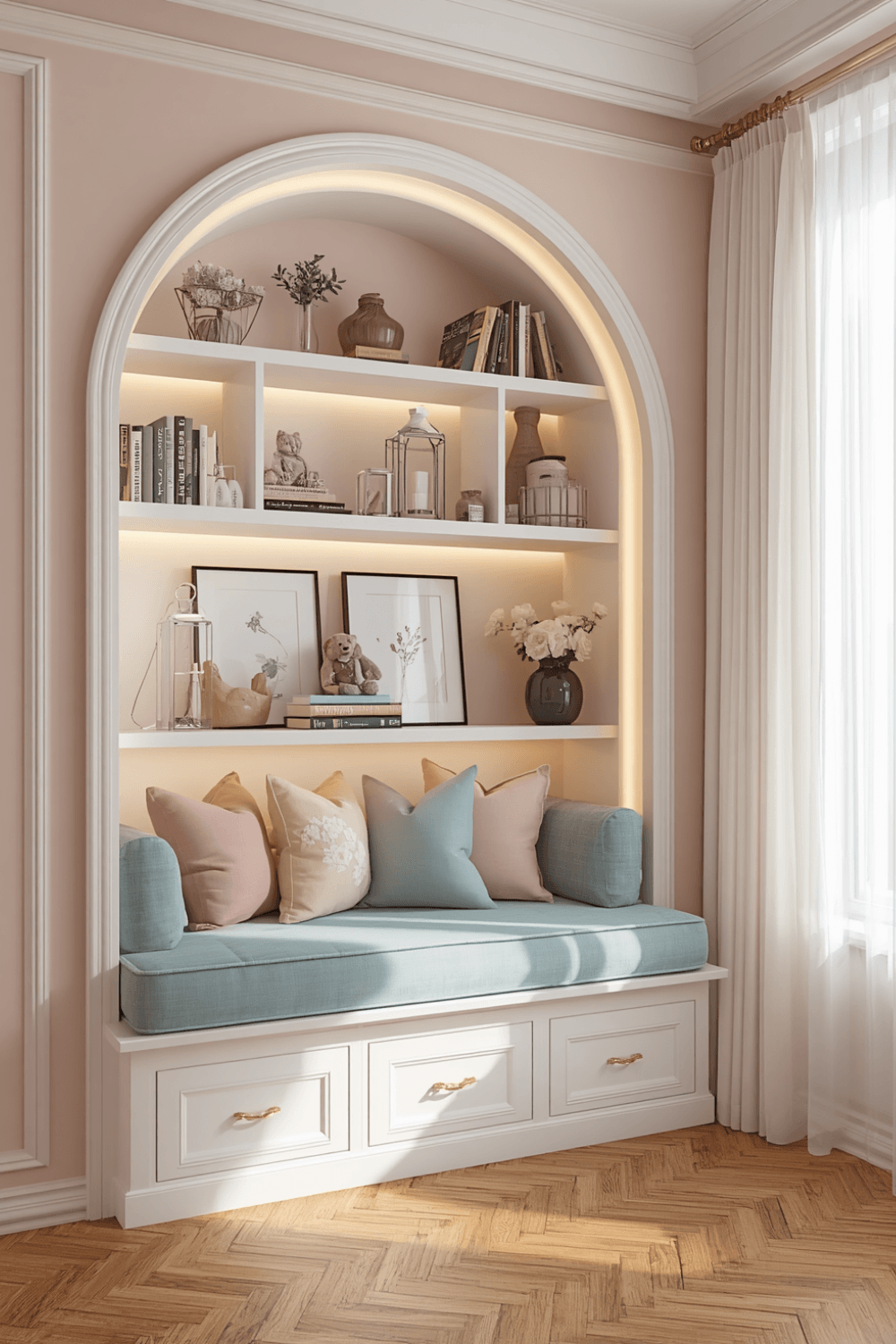 I now measure the full depth of the window seat itself, not just the visible cushion area, and make sure any cushion actually fills that space appropriately for comfortable seated support. A cushion that’s too shallow leaves you perched awkwardly rather than settled in comfortably.
2. Choose a softer, higher-density foam over a firm, structured one
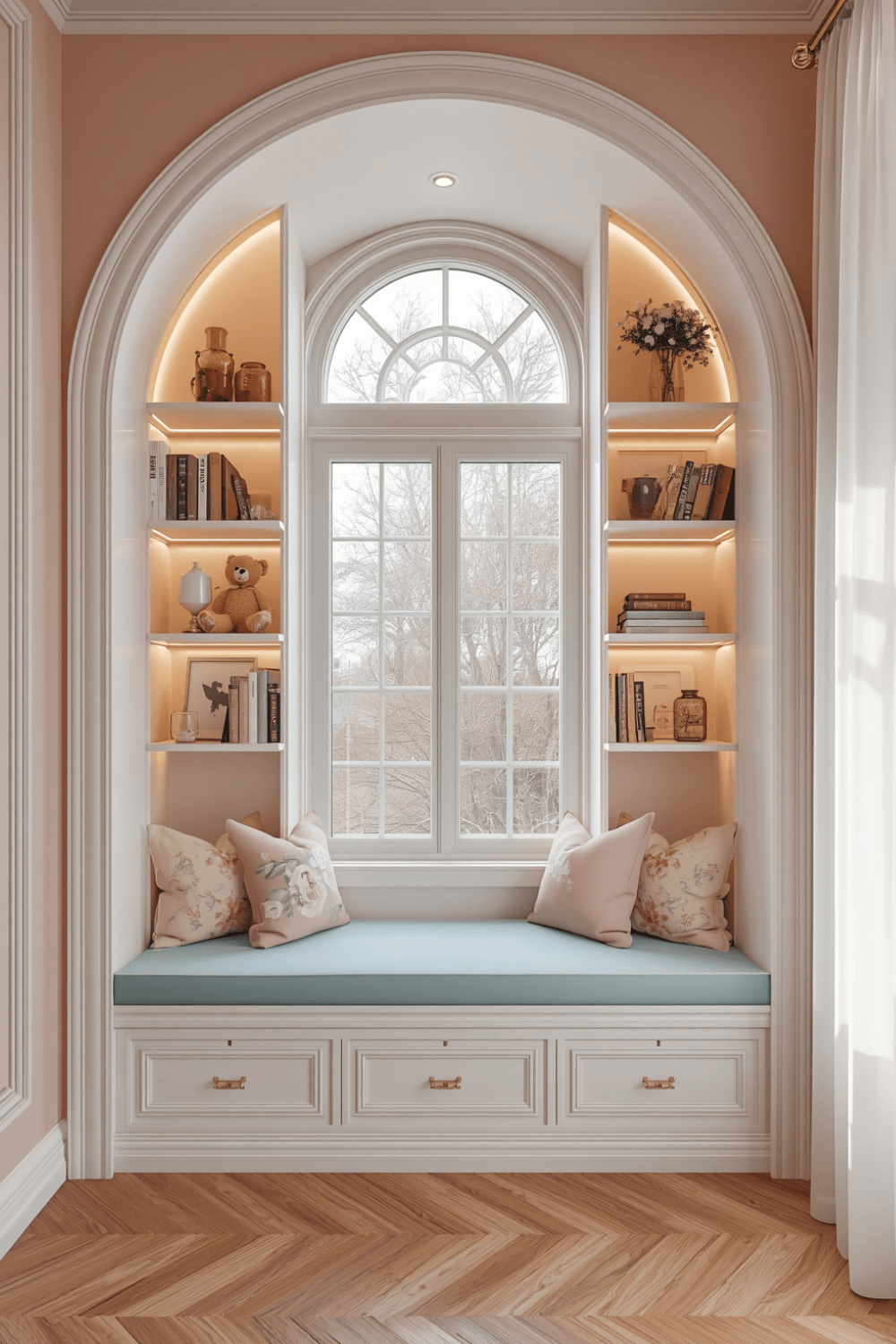 I switched to a higher density foam that’s genuinely soft to sit on while still holding its shape over time, rather than the stiff, overly firm foam I’d originally chosen purely because it looked tailored and crisp. Comfort and structure aren’t actually mutually exclusive if you choose the right foam density.
3. Add back support with additional pillows
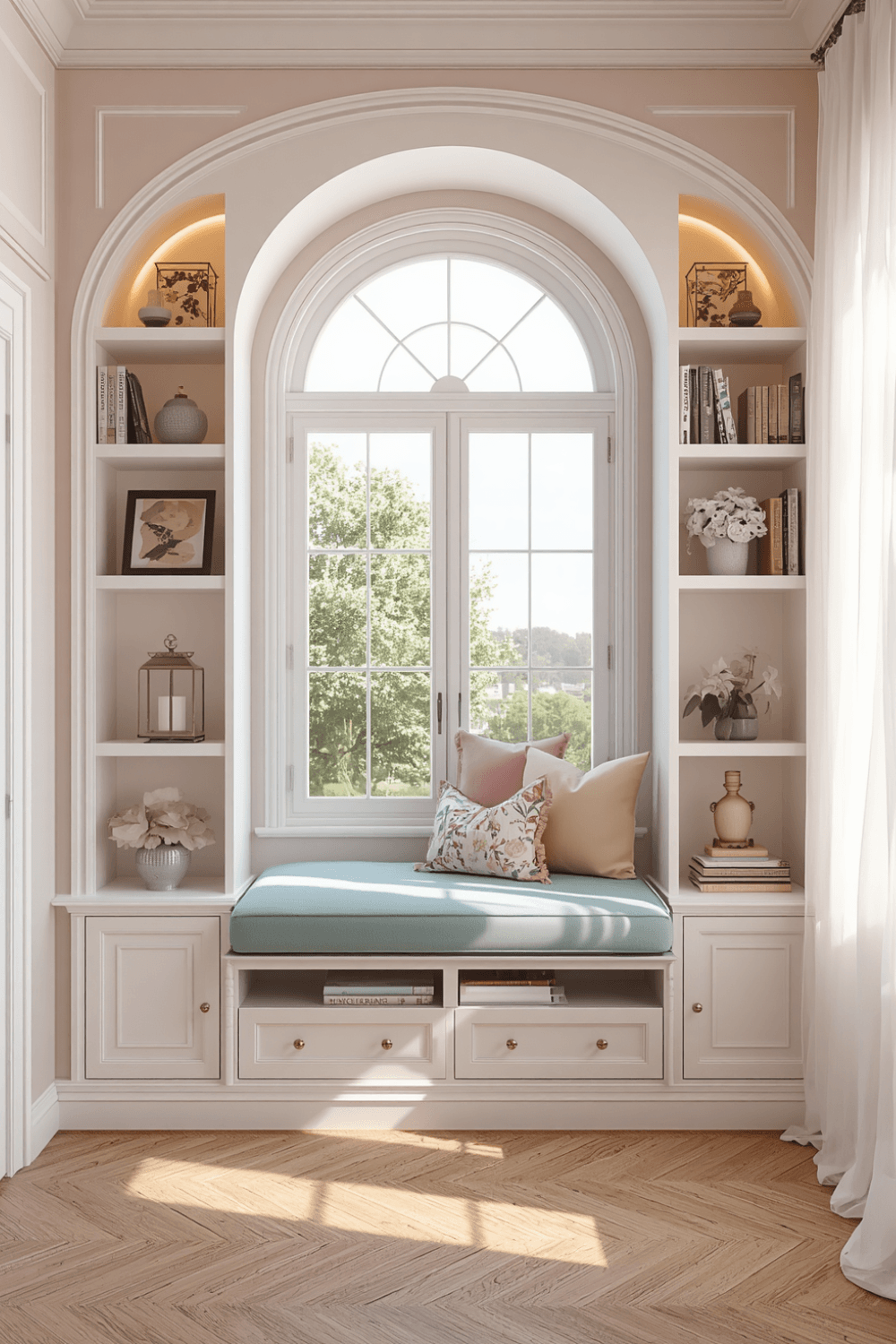 I added two firm lumbar pillows against the arched wall behind the seat cushion, which genuinely changed how long I could comfortably sit there. Without any back support, even a good seat cushion alone wasn’t enough for extended reading sessions.
4. Consider a custom cushion cut for an irregularly shaped niche
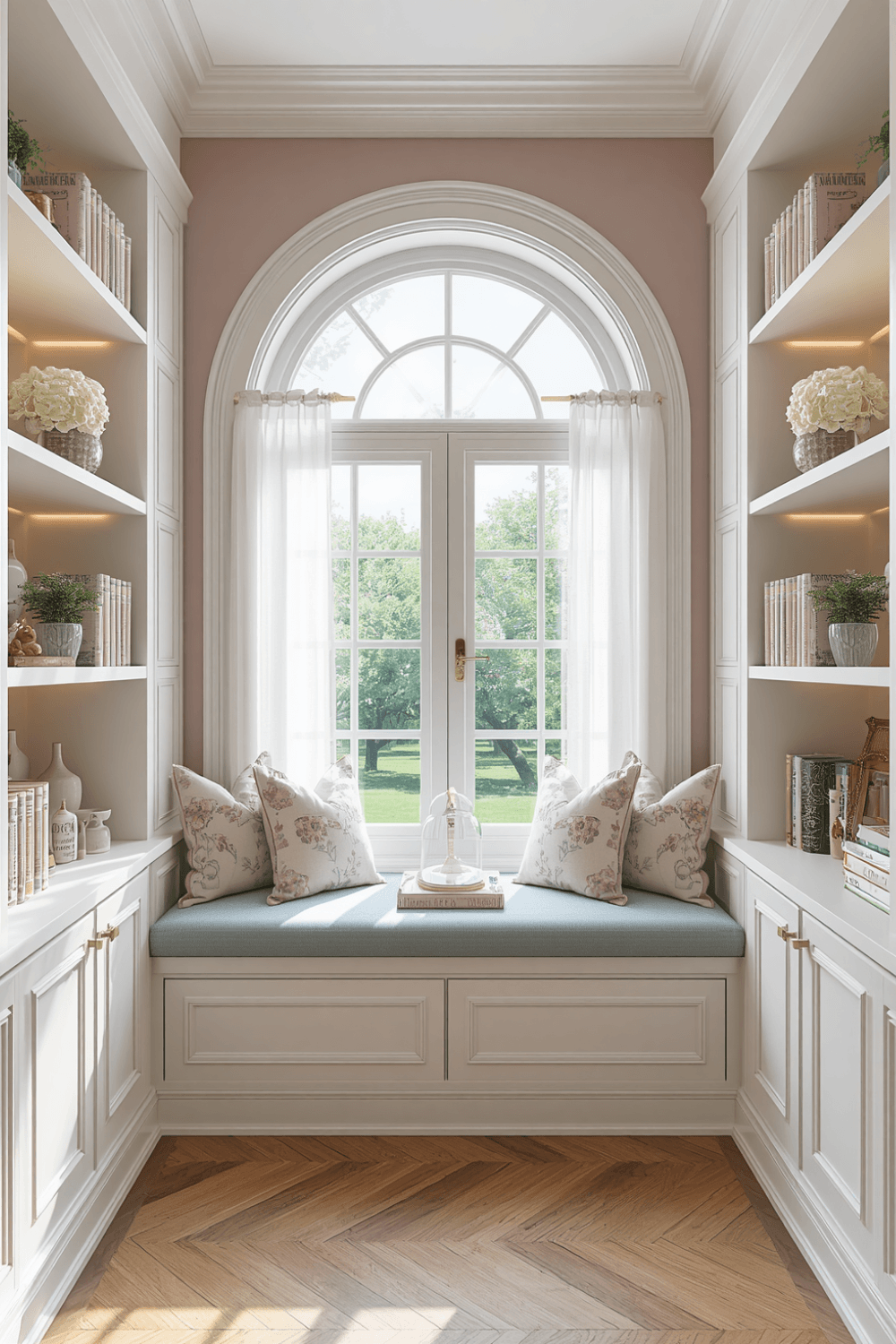 Because my arched nook has a curved top portion that a standard rectangular cushion couldn’t properly fill, I had mine custom cut to match the actual shape of the space. A generic cushion in an irregular niche often leaves awkward gaps that undermine both comfort and the overall finished look.
5. Layer in a soft throw blanket for both comfort and styling
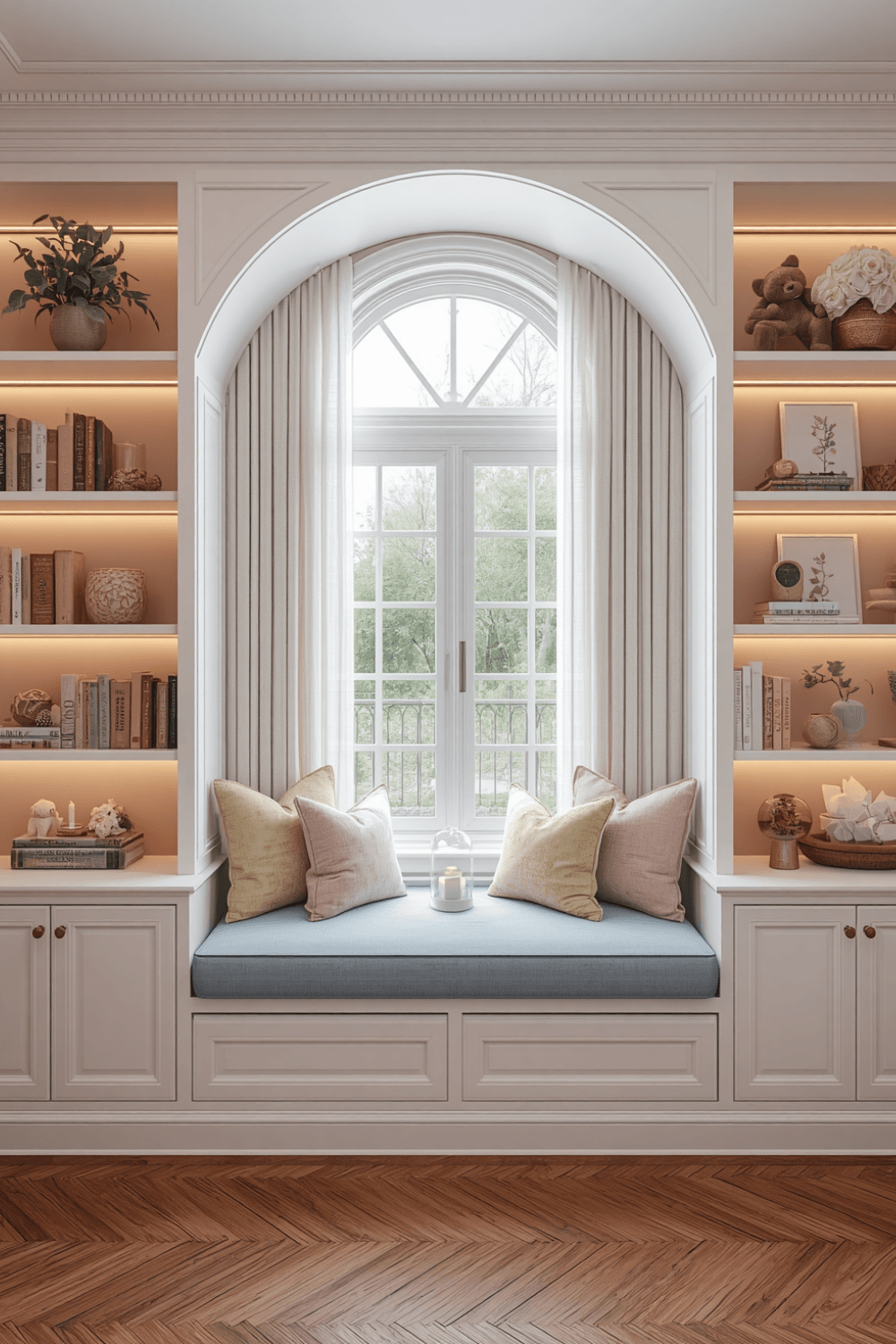 I added a chunky knit throw blanket draped over one side of the seat, which serves a genuine functional purpose for chilly evenings while also softening the overall look of the space. It’s a small addition that does real double duty rather than being purely decorative.
6. Add task lighting specifically for reading in that spot
I installed a small wall-mounted swing-arm lamp beside the window seat, since the ambient room lighting alone wasn’t sufficient for actually reading comfortably in the evening. Without dedicated lighting, even a comfortable seat won’t get used for its intended purpose after dark.
7. Choose durable, easy-to-clean fabric if the spot gets regular use
I chose a performance fabric for my final cushion cover, specifically because a well-used window seat, especially one near a sunny window, deals with more wear and fading than a decorative accent piece might. Durability matters more here than it would for something purely ornamental.
Real Examples From People I Know
A friend with a similar arched window seat used two smaller cushions instead of one large piece, which let her adjust and fluff them for different seating positions throughout the day rather than being stuck with one fixed shape. It’s a flexible approach that worked especially well for her specific reading habits.
Another friend added built-in storage beneath her window seat bench, which gave the beautiful architectural feature genuine additional function beyond just seating. Combining comfort upgrades with practical storage made her nook one of the most-used spots in her entire home rather than just a pretty design detail.
Common Mistakes to Avoid
Choosing cushion firmness based purely on how it looks in photos. A structured, tailored appearance often trades away genuine sitting comfort.
Skipping proper depth measurements before ordering a cushion. A cushion too shallow for the actual seat leaves you perched uncomfortably rather than settled in.
Forgetting back support entirely. Even a great seat cushion alone often isn’t enough for genuinely comfortable extended sitting without something supporting your back.
Using a generic rectangular cushion in an irregularly shaped arched niche. It frequently leaves awkward gaps that undermine both comfort and the overall finished appearance.
Neglecting dedicated lighting for the spot. A beautiful, comfortable window seat still won’t get much evening use without proper task lighting nearby.
Final Thoughts
My arched window seat taught me that a genuinely beautiful architectural feature still needs to function as real, comfortable seating, or it ends up as a pretty spot nobody actually uses. The cushion depth and foam density changes alone did more to make that space genuinely mine than any of the original styling choices had.
If you’re designing your own arched window seat, measure your actual seat depth carefully, prioritize a softer, higher-density foam over anything purely structured-looking, and don’t skip back support or dedicated lighting. That combination is really what separates a window seat that photographs well from one you’ll actually want to curl up in every single evening.