
Luxury Balcony Ideas: What I Learned Turning a Concrete Slab Into an Actual Outdoor Room
When I moved into my apartment, my balcony was just a bare concrete slab with a metal railing, and for almost a year I used it exclusively to store a bike I never rode and a broken umbrella I kept meaning to throw out. It never occurred to me that this tiny outdoor space could actually be somewhere I wanted to spend time.
Once I finally committed to fixing it up, I made a genuinely expensive mistake buying furniture that looked amazing in photos and fell apart within a season of actual weather exposure. It took a full redo to get it right, and now it’s one of my favorite spots in the whole apartment. Here’s what actually worked.
A Luxury Balcony Isn’t About Size, It’s About Weatherproofing and Intention
My balcony is small, maybe six feet by eight feet, definitely not the sprawling rooftop terrace people picture with “luxury outdoor space.” What actually made it feel elevated wasn’t square footage — it was choosing pieces that could genuinely handle real weather and designing with the same intention I’d use indoors, instead of treating it as an afterthought space.
Once I stopped thinking of it as leftover outdoor square footage and started designing it like an actual room, the whole feeling of the space changed.
My Expensive Mistake: Buying Indoor-Style Furniture for an Outdoor Space
My first attempt used a gorgeous rattan-look bistro set that I found on sale. It looked perfect for about six weeks. Then the sun exposure started fading the finish, and after one heavy rainstorm the seat cushions were soaked through and never fully dried out properly, developing a musty smell I couldn’t get rid of.
I ended up replacing everything with genuinely weather-rated outdoor furniture, and the difference in durability was night and day. Cheaper isn’t always cheaper if you have to replace it after one season.
Step-by-Step: Creating a Luxury Balcony That Actually Holds Up
1. Check your balcony’s sun and wind exposure before buying anything
I spent a few days actually observing how much direct sun and wind my specific balcony gets throughout the day before choosing furniture, plants, or fabric. A south-facing balcony with strong afternoon sun needs completely different material choices than a shaded, wind-protected one.
2. Invest in genuinely weather-rated furniture, not just outdoor-styled
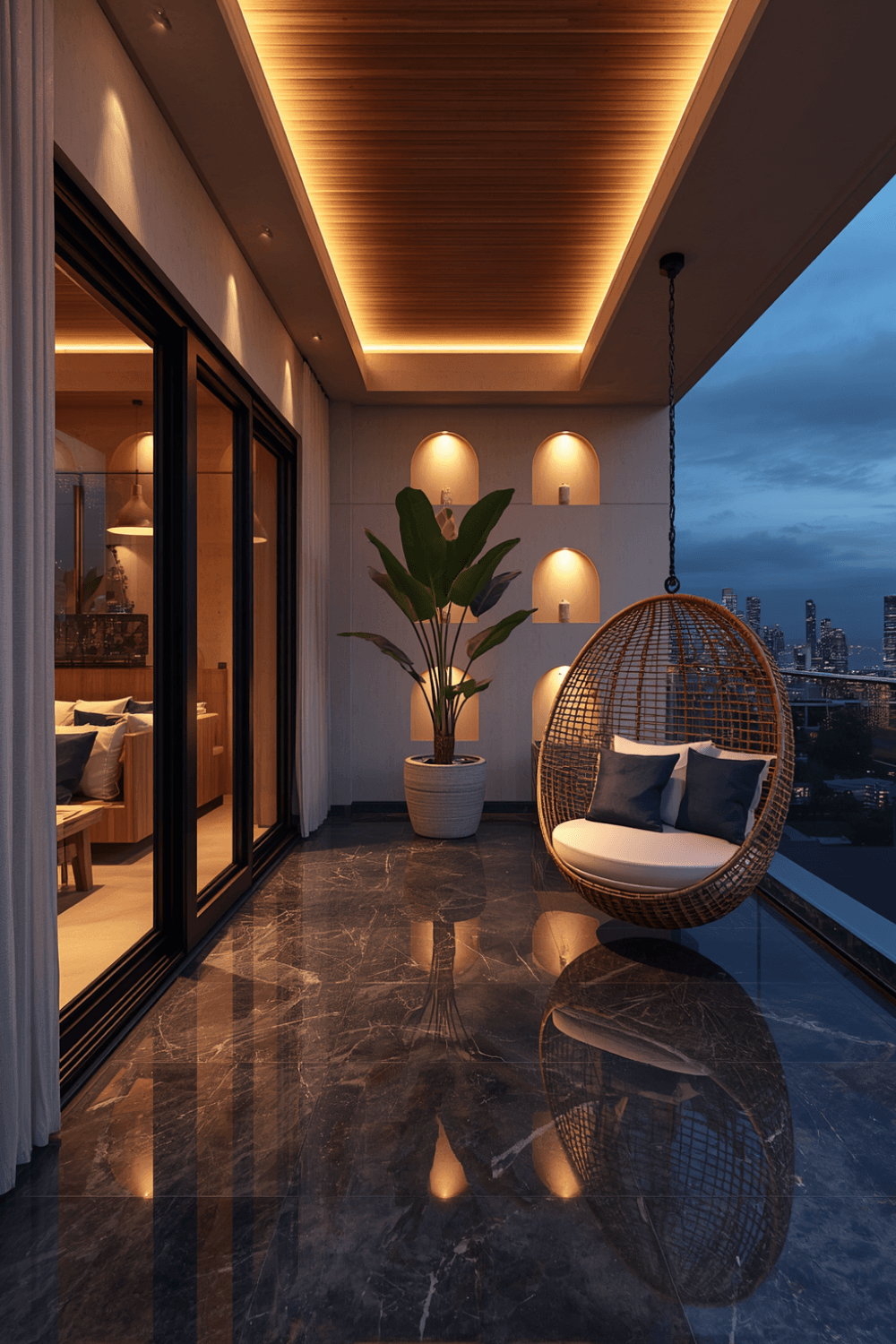 I now specifically look for furniture rated for outdoor use, with materials like powder-coated aluminum, teak, or all-weather wicker, rather than anything that just looks outdoor-appropriate in photos. It costs more upfront, but it held up through an entire year of sun and rain without any real deterioration.
3. Choose fabric that’s actually meant for outdoor exposure
My replacement cushions use Sunbrella fabric, which is specifically designed to resist fading and mildew from outdoor moisture exposure. It costs more than standard indoor fabric, but I haven’t had a single mildew or fading issue since switching, even after a full summer of direct sun.
4. Add a small rug rated for outdoor use
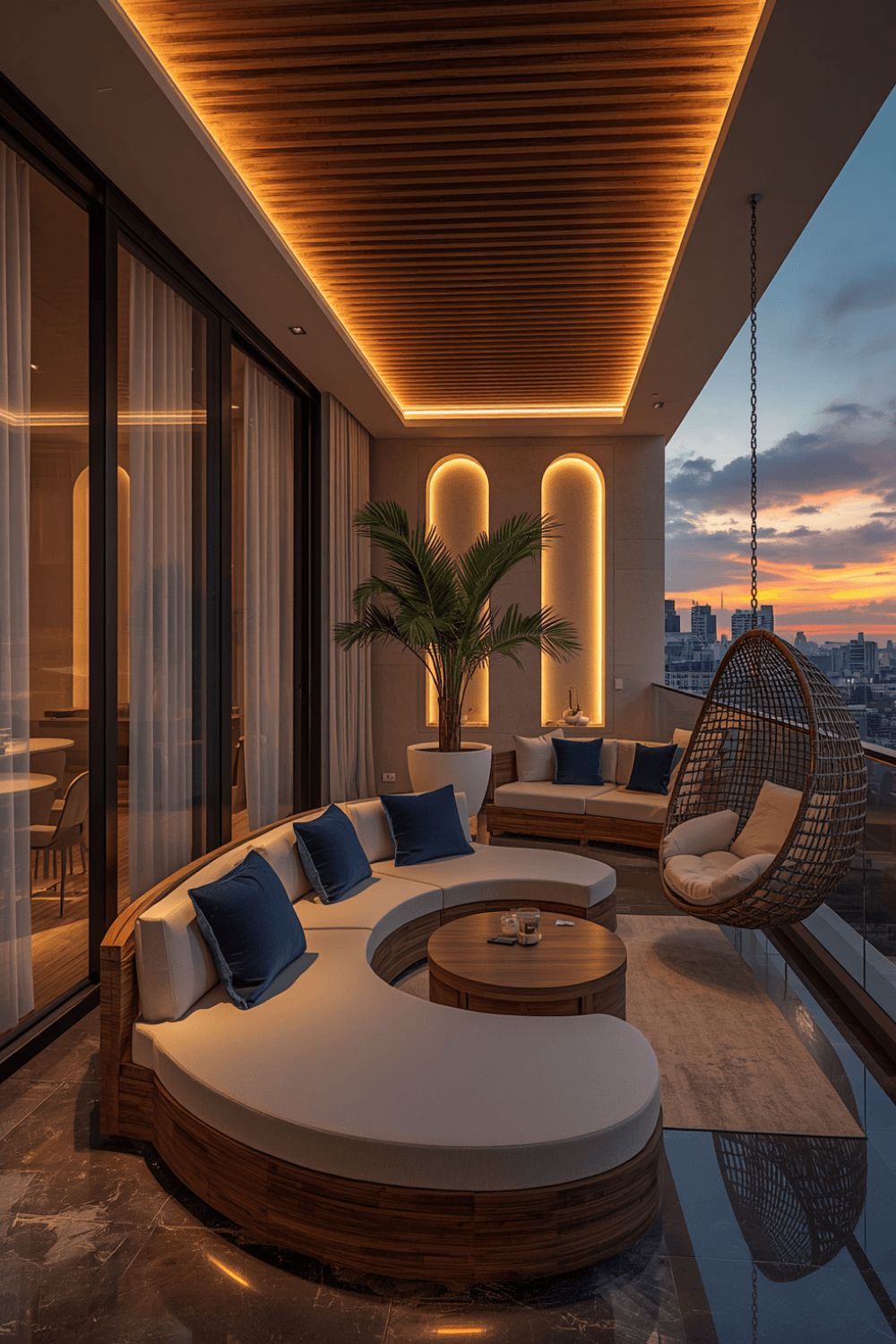
I added an outdoor-rated jute-look rug underneath my seating area, and it made the whole space feel more like an actual room instead of bare concrete with furniture on it. Regular indoor rugs will mold and fall apart fast outside, so this one specific swap matters more than people expect.
5. Layer in plants that can actually survive your balcony’s conditions
My first round of plants died within weeks because I picked them based on looks instead of checking their sun and wind tolerance. I switched to wind-resistant, sun-tolerant options like rosemary, succulents, and a small olive tree in a weighted pot, and they’ve all thrived through multiple seasons now.
6. Add lighting that’s rated for outdoor use
I strung outdoor-rated LED string lights along the railing and added a small solar lantern on my side table. Both are specifically weatherproofed, unlike the indoor string lights I mistakenly used the first time, which stopped working after one rainy week.
7. Use vertical space if your footprint is tight
I added a hanging planter and a small wall-mounted shelf instead of more floor furniture, which kept my already tight footprint from feeling overcrowded while still adding greenery and a spot for a candle or small decor piece.
Real Examples From People I Know
A friend with a similarly small balcony skipped traditional furniture entirely and used a couple of large floor cushions rated for outdoor use instead, paired with a small side table. It’s a flexible, lower-cost option that still creates a genuine lounging spot without needing full furniture pieces.
Another friend added a retractable outdoor shade sail above her balcony seating area, which made a huge difference on hot, sun-exposed afternoons. It’s a bigger investment, but she says it’s the single addition that made her balcony usable for significantly more hours of the day.
Common Mistakes to Avoid
Buying indoor-style furniture that just looks outdoor-appropriate. Real weather exposure will damage it fast, regardless of how it looks in a photo.
Choosing plants based on appearance instead of their actual sun and wind tolerance. This alone caused most of my early plant failures.
Using regular indoor rugs or string lights outdoors. Products specifically rated for outdoor use hold up dramatically better against moisture and sun.
Ignoring your balcony’s specific sun and wind patterns. What works on a shaded balcony can fail fast on one with strong afternoon exposure, and vice versa.
Overcrowding a small footprint with floor furniture. Going vertical with shelves and hanging planters keeps a tight space feeling open instead of cluttered.
Final Thoughts
My balcony went from an ignored concrete slab to a genuine outdoor room I use almost daily, and the difference came down to choosing materials that could actually handle real weather instead of just looking good for a season. That first furniture mistake was expensive, but it taught me to prioritize durability right alongside style from that point forward.
If you’re working on your own balcony, check your specific sun and wind exposure first, invest in genuinely weather-rated furniture and fabric, and don’t be afraid to go vertical if your footprint is tight. That combination is really what made mine finally feel like an actual extension of my home instead of leftover outdoor space.