
Pink Kids Room Ideas: What I Learned Designing a Room That Had to Survive Actual Childhood
I picked the prettiest, softest blush pink I could find for my daughter’s room, pictured a peaceful little reading nook, and had the whole thing painted and styled within a weekend. Within a month, that same soft pink wall had marker streaks, a sticker collection nobody asked for, and a suspicious handprint smudge I never did identify the source of.
That experience taught me fast that decorating a kids’ room isn’t really about picking a pretty color scheme, it’s about picking one that can survive actual daily use by an actual kid. After a full redo and a few genuinely practical changes, her room finally looks good and holds up to real life. Here’s what I wish I’d known from the start.
Pink Doesn’t Have to Mean Fragile or Fussy
I used to think a pink room automatically meant delicate fabrics, light-colored furniture, and constant careful maintenance. That combination is a recipe for stress in a room a kid actually lives and plays in daily. What I’ve learned since is that pink can absolutely work in a genuinely practical, kid-proof way, it just takes some different choices than the soft, precious version I originally pictured.
Once I stopped designing around a magazine photo and started designing around how my daughter actually uses her room, everything got both more functional and, honestly, better looking too.
My Big Mistake: Choosing a Paint Finish That Couldn’t Handle Real Life
My original paint choice was a soft matte finish because it looked beautifully soft and velvety on the wall. Matte finishes are notoriously difficult to wipe clean, and within weeks I had marker and crayon marks that wouldn’t fully come off no matter what I tried.
I ended up repainting with a washable eggshell finish instead, specifically formulated to handle scrubbing without losing its color or sheen. It’s held up to two more years of actual kid use without a single permanent mark, which the original matte finish never could have managed.
Step-by-Step: Designing a Pink Kids Room That Actually Holds Up
1. Choose a washable paint finish, not just a pretty one
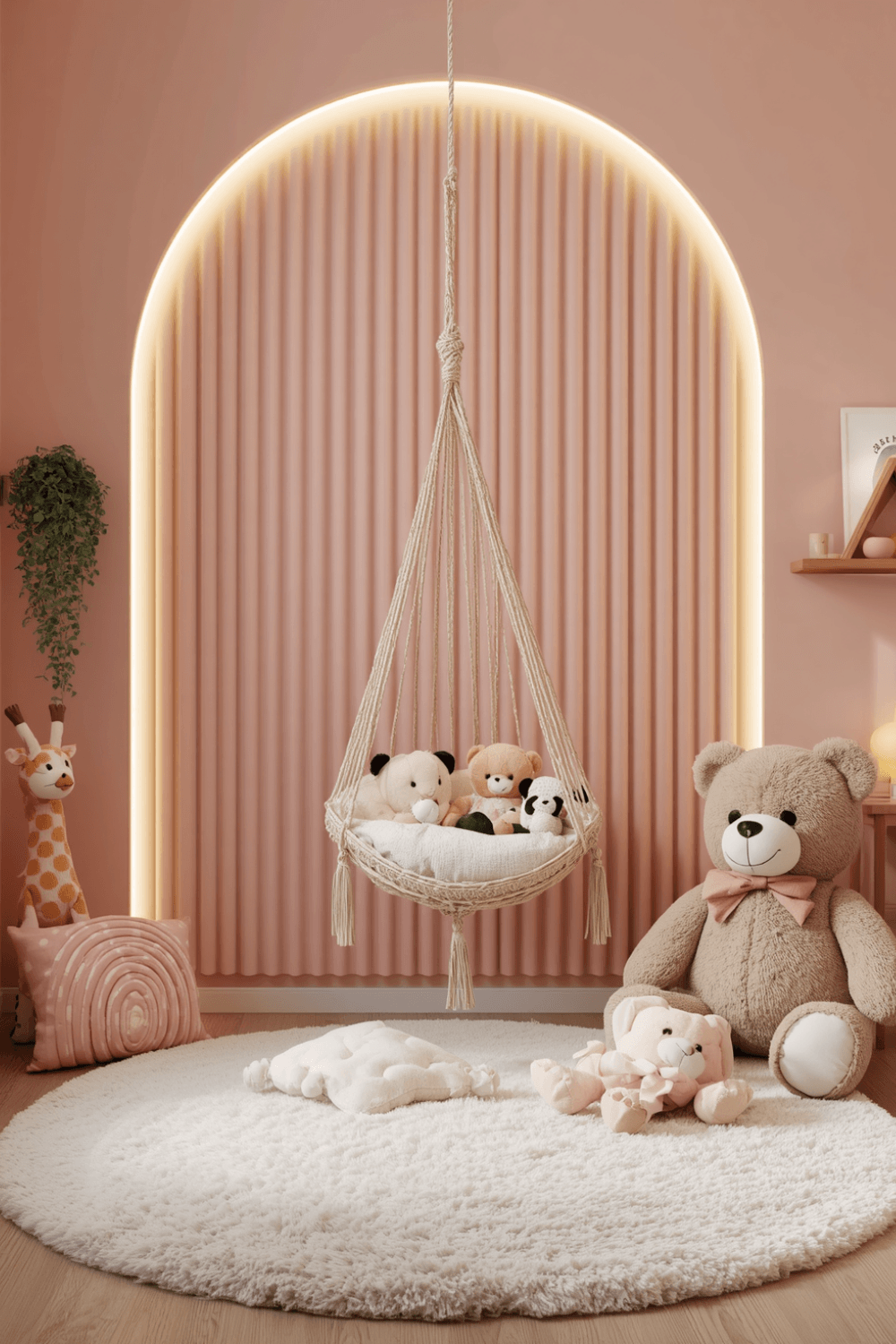
I now specifically look for paint labeled washable or scrubbable, usually in an eggshell or satin finish, rather than choosing based on how the finish looks on the sample card alone. Brands like Behr and Sherwin-Williams both offer washable lines specifically designed for high-traffic, kid-heavy rooms.
2. Layer different shades of pink instead of one flat color
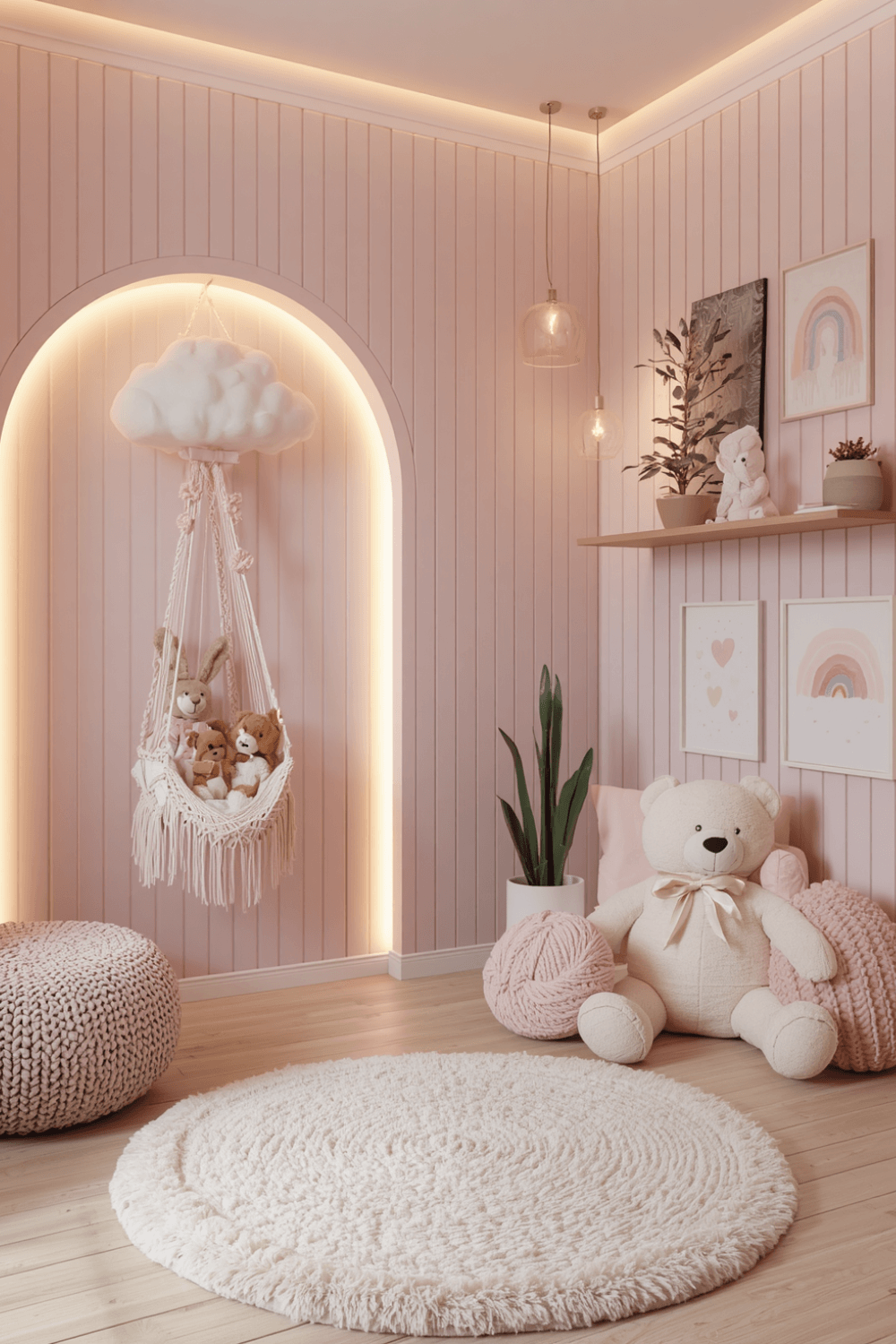
I mixed a soft blush wall color with deeper rose bedding and a dusty pink rug, instead of using the exact same shade everywhere. That layering approach gives the room depth and personality without needing to introduce a completely different color, and it hides small marks and wear better than one uniform flat tone.
3. Prioritize storage that a kid can actually use independently
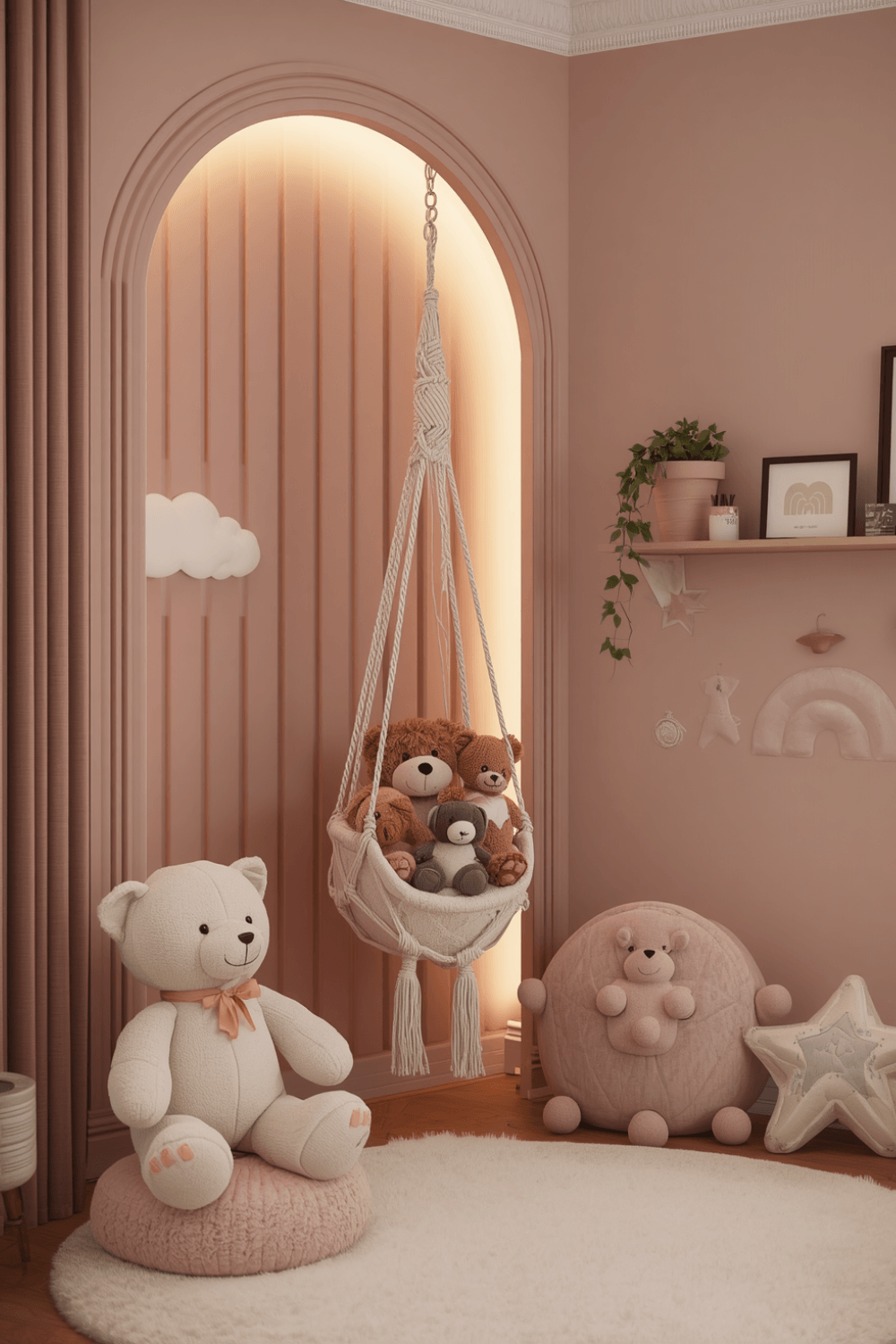
I added low, open bins instead of a tall closed cabinet, specifically so my daughter could put toys away herself without needing help every time. Storage a kid can genuinely reach and use tends to actually get used, instead of becoming another thing parents manage entirely on their own.
4. Choose durable fabric for anything that gets regular contact
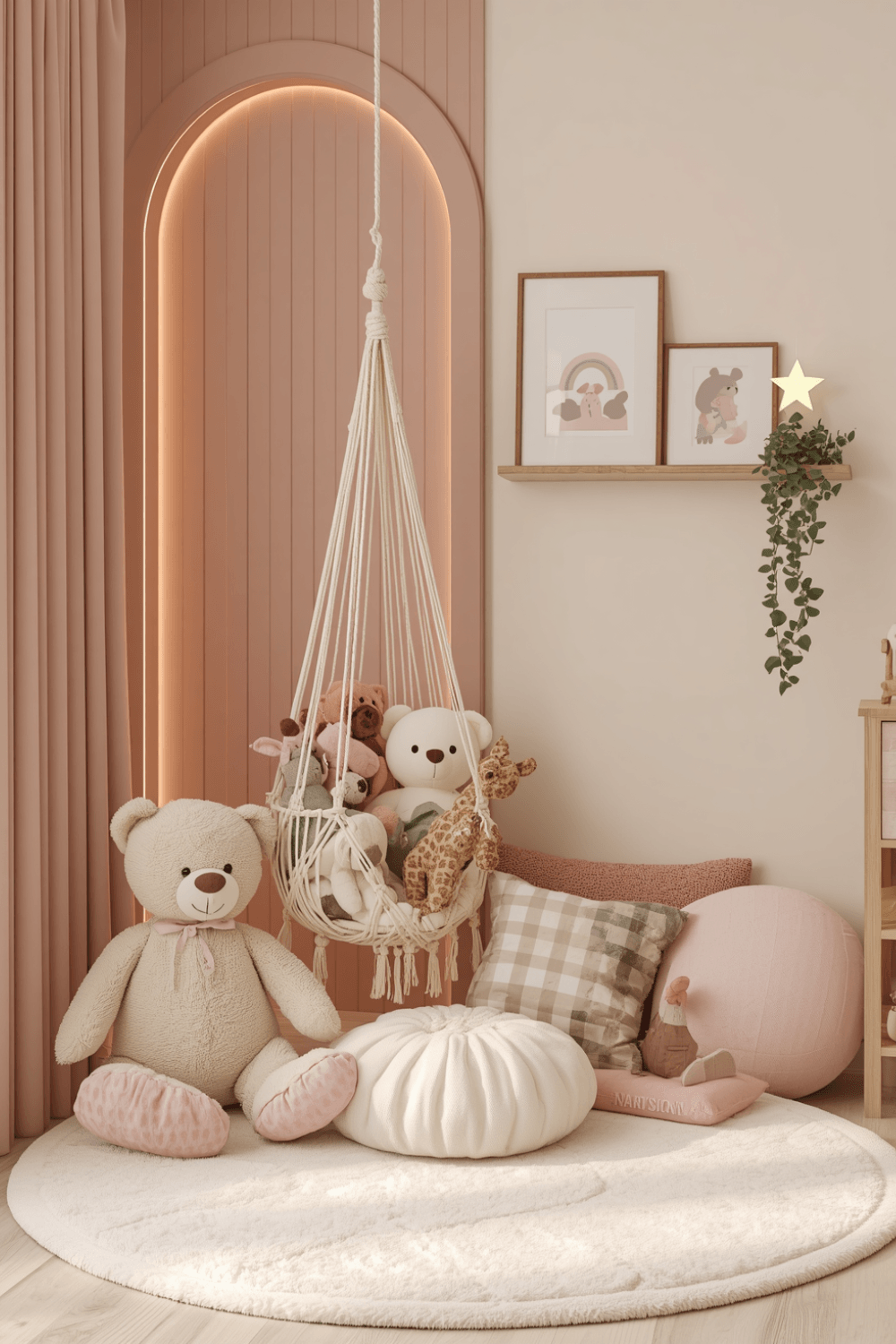
I switched from a delicate velvet accent chair to one with a performance fabric rated for stains and wear, similar to what’s used in a lot of family-friendly furniture lines now. It looks just as soft and inviting, but actually wipes clean instead of showing every spill permanently.
5. Add a growing wall of art and decor instead of one fixed design
Rather than committing to one final “finished” wall design, I use a simple gallery ledge shelf system that lets us easily swap in new art, school projects, or seasonal decor over time. It keeps the room feeling personal and current instead of frozen at whatever age she was when the room was first designed.
6. Use rugs and flooring that handle spills without stress
I added a low-pile, stain-resistant rug instead of the plush, high-pile one I originally wanted, purely because spills and accidents happen constantly in a kid’s room. The lower pile cleans up dramatically easier and still feels soft and cozy underfoot.
7. Balance pink with a neutral base for longevity
I kept the bigger furniture pieces, like the dresser and bed frame, in a neutral white or light wood tone instead of pink. That way, as her taste inevitably changes over the years, updating the room mostly just means swapping smaller accessories instead of an entire furniture overhaul.
Real Examples From People I Know
A friend designed her daughter’s room with a soft pink accent wall paired with mostly white furniture and a rainbow of swappable throw pillows. As her daughter’s favorite colors have shifted over a couple of years, updating the room has just meant changing pillow covers instead of repainting or replacing furniture.
Another friend went bolder with a deep rose pink used only on a closet door and a reading nook, keeping the rest of the room a soft neutral. It gave a strong pink moment without covering every surface, which she says has made the room feel less like it needs a full redesign as her daughter gets older.
Common Mistakes to Avoid
Choosing paint finish based on looks alone instead of washability. This alone caused my entire original repaint.
Using delicate fabrics on furniture that gets constant daily contact. Performance and stain-resistant fabrics hold up dramatically better in an actual kid’s room.
Placing storage too high or too complicated for a child to use independently. Storage that’s genuinely accessible tends to actually get used consistently.
Committing every surface to one single shade of pink. Layering different tones adds depth and hides everyday wear better than one flat color.
Designing the whole room around current taste without room to evolve. Kids’ preferences shift, so keeping big furniture pieces neutral makes future updates much simpler.
Final Thoughts
My daughter’s room taught me that decorating for a kid isn’t about compromising on style, it’s about choosing materials and layouts that can genuinely survive real, everyday childhood without falling apart or looking worn within weeks. The washable paint switch alone saved me from a repeat repaint I really didn’t want to do again.
If you’re designing a pink kids’ room of your own, prioritize washable finishes and durable fabric over what simply looks prettiest on a sample card, and keep the big furniture pieces neutral so the room can grow alongside changing tastes. That balance between practical and pretty is really what made ours finally work long-term.