
Modern Living Room Lighting Ideas: What I Learned After My Room Felt Flat No Matter What I Decorated
I redecorated my living room three separate times, swapping furniture, rugs, and art, and it still felt slightly off every single evening. It wasn’t until a friend who does interior photography pointed out that my lighting was the actual problem, not my furniture choices, that everything finally clicked. I had exactly one ceiling fixture lighting the entire room, and no amount of pretty decor was going to fix that.
Once I actually addressed the lighting instead of buying more furniture, the room transformed more than any of my three previous redecorating attempts combined. If your living room still feels a little flat despite looking good on paper, here’s what I learned about fixing it properly.
Good Lighting Isn’t About Brightness, It’s About Layers
I used to think the goal was simply having enough light to see clearly. What I learned is that a genuinely well-lit modern living room uses multiple light sources at different heights and brightness levels, rather than relying on one strong source to do everything. That layering is what creates depth and mood, not just visibility.
Once I understood that distinction, choosing and placing fixtures got significantly easier, because I finally had a framework instead of just guessing what might look nice.
My Mistake: One Overhead Light Trying to Do Everything
My living room had a single centered ceiling fixture and nothing else. It technically lit the room, but it created flat, even lighting with zero warmth or dimension, especially in the evening when that’s really the only light source working. Every photo I took in there during the evening looked slightly clinical no matter how nice the furniture arrangement was.
Adding lamps at different heights around the room fixed this almost immediately. The evening mood shifted from “office after hours” to something genuinely cozy, without changing a single piece of furniture.
Step-by-Step: Layering Modern Living Room Lighting That Actually Works
1. Add lighting at three different heights
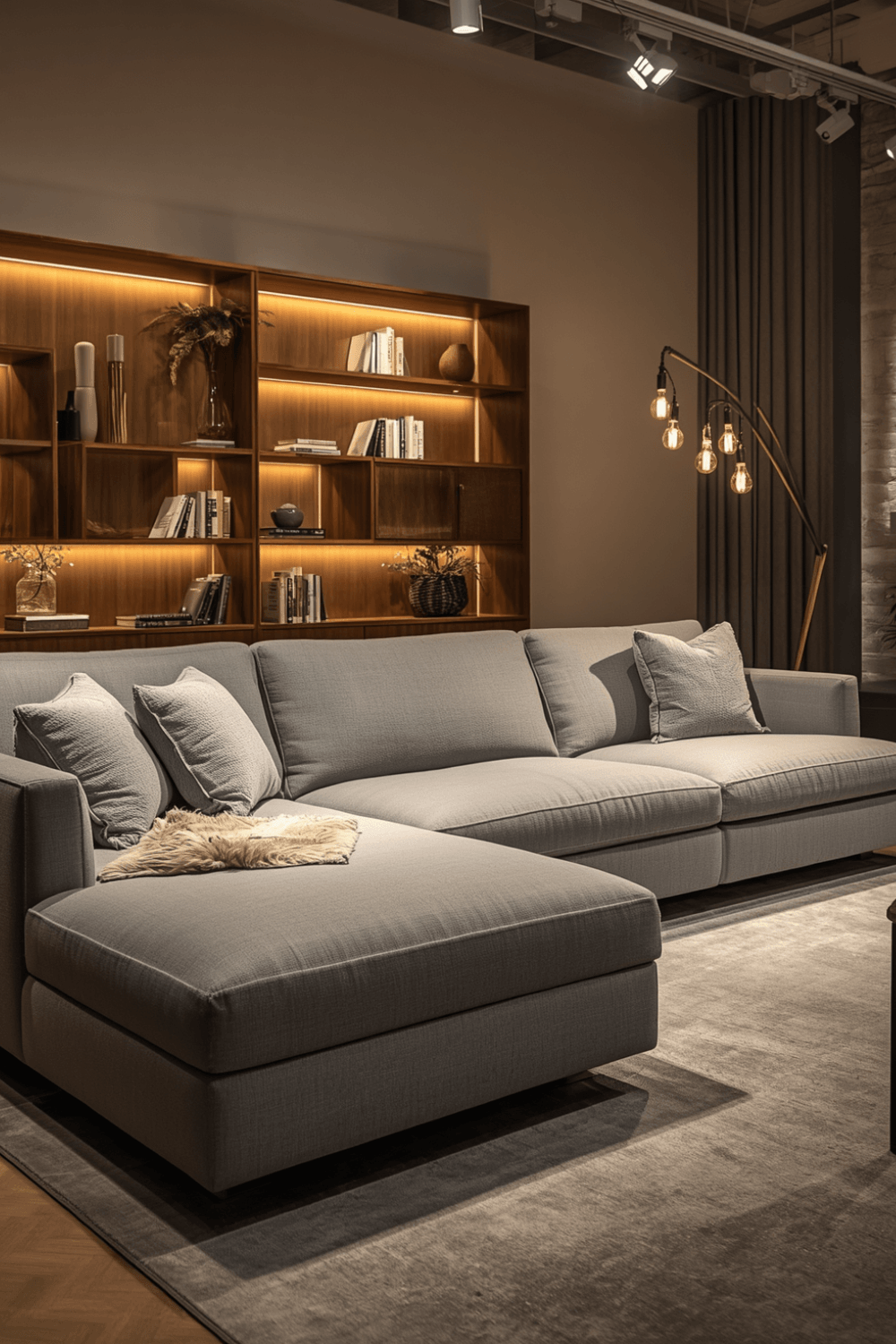
I now aim for light sources at floor level, table level, and ceiling level throughout the room, rather than relying on ceiling light alone. My setup includes a floor lamp in the reading corner, table lamps on either side of the couch, and the original ceiling fixture for general brightness when needed.
2. Choose warm-toned bulbs for evening ambiance
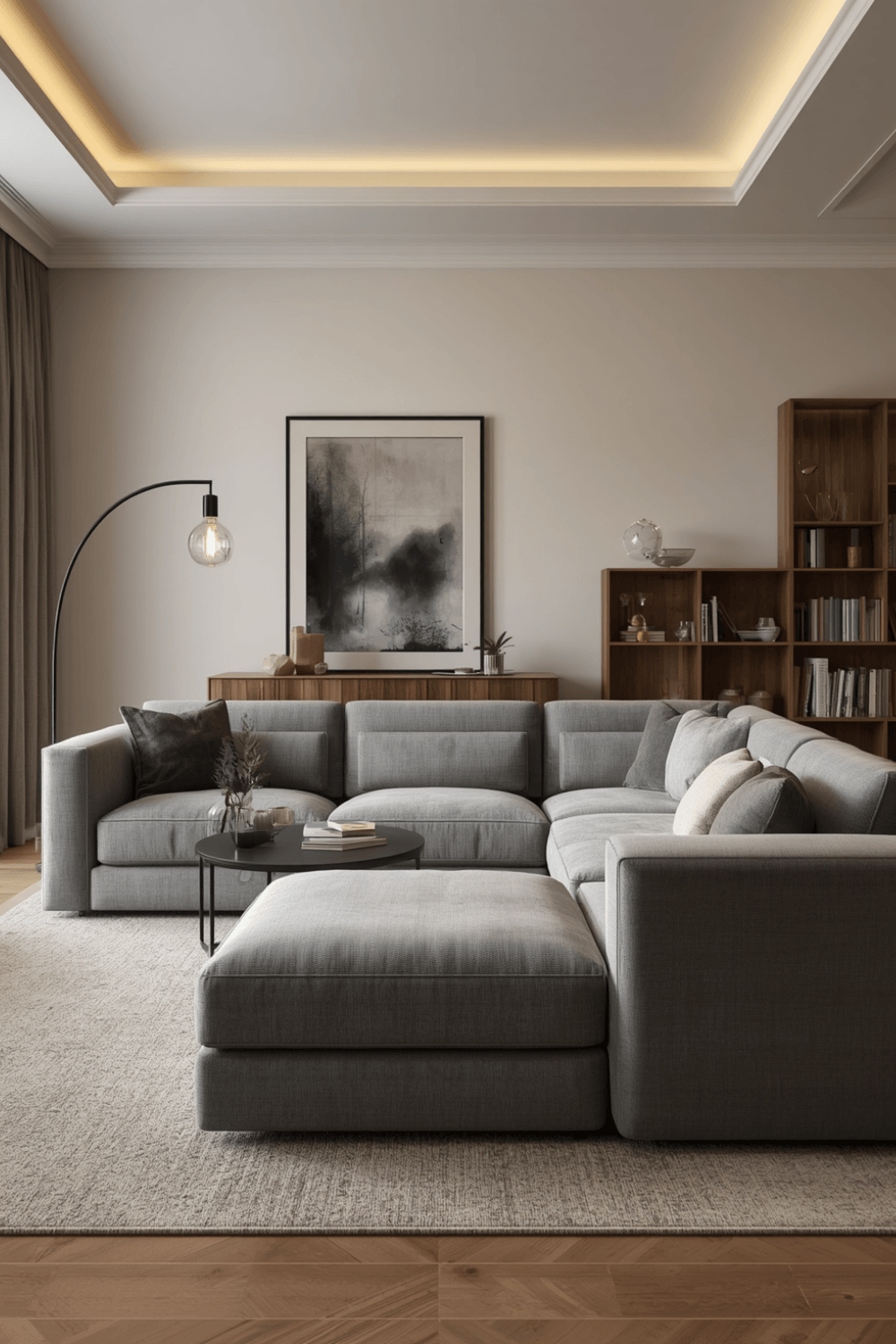
I switched most of my lamps to 2700K to 3000K warm white bulbs, which create a noticeably cozier feel compared to the cooler 4000K+ bulbs that came with my original fixtures. Cooler tones can work well for task-focused areas, but they tend to feel sterile in a space meant for relaxing.
3. Use dimmers wherever your fixtures support them
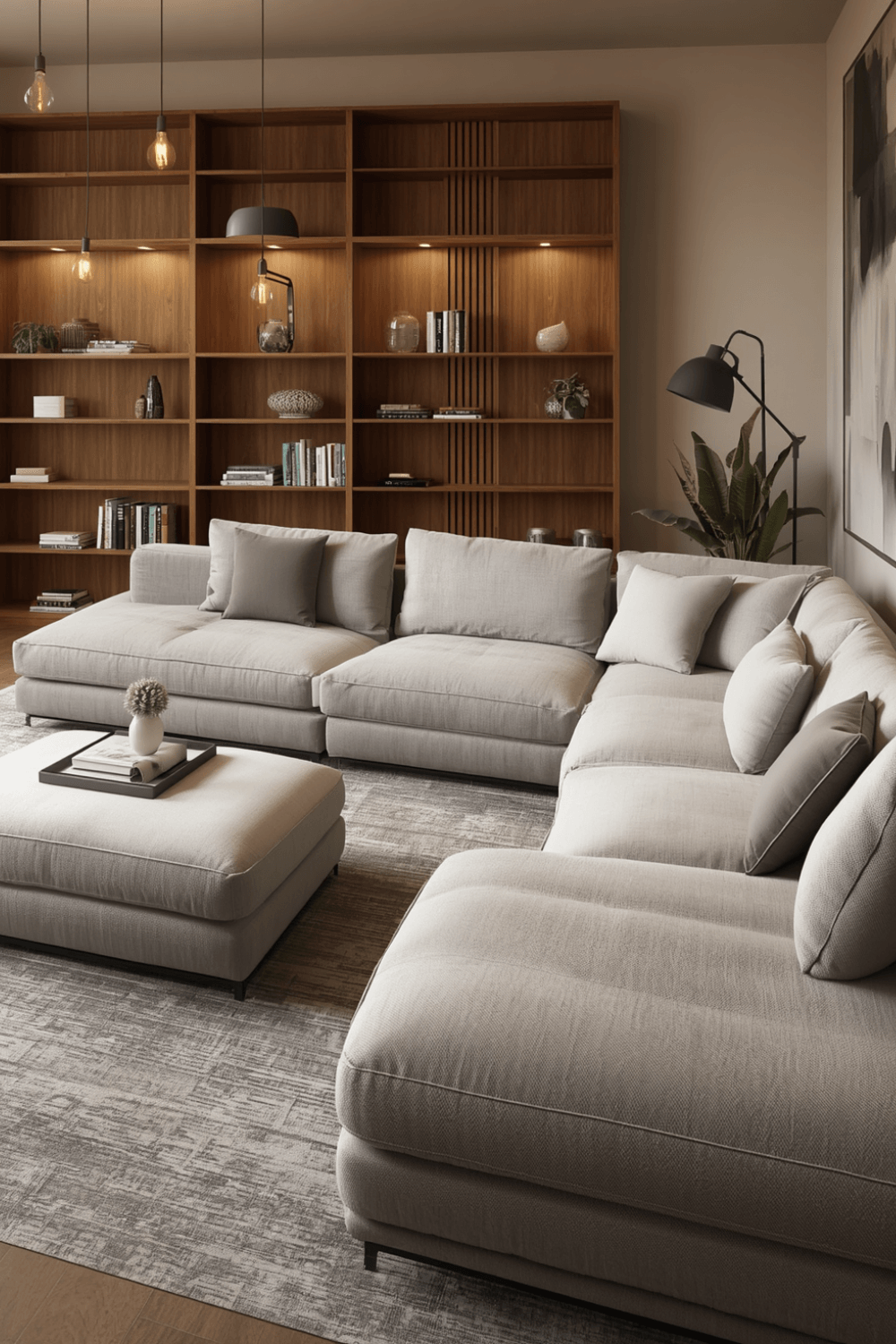
I installed a simple dimmer switch on my main ceiling light, which lets me shift from bright, functional lighting during the day to a softer glow in the evening without needing to turn multiple lamps on and off individually. It’s a relatively small electrical upgrade that added a lot of flexibility.
4. Add accent lighting to highlight specific features
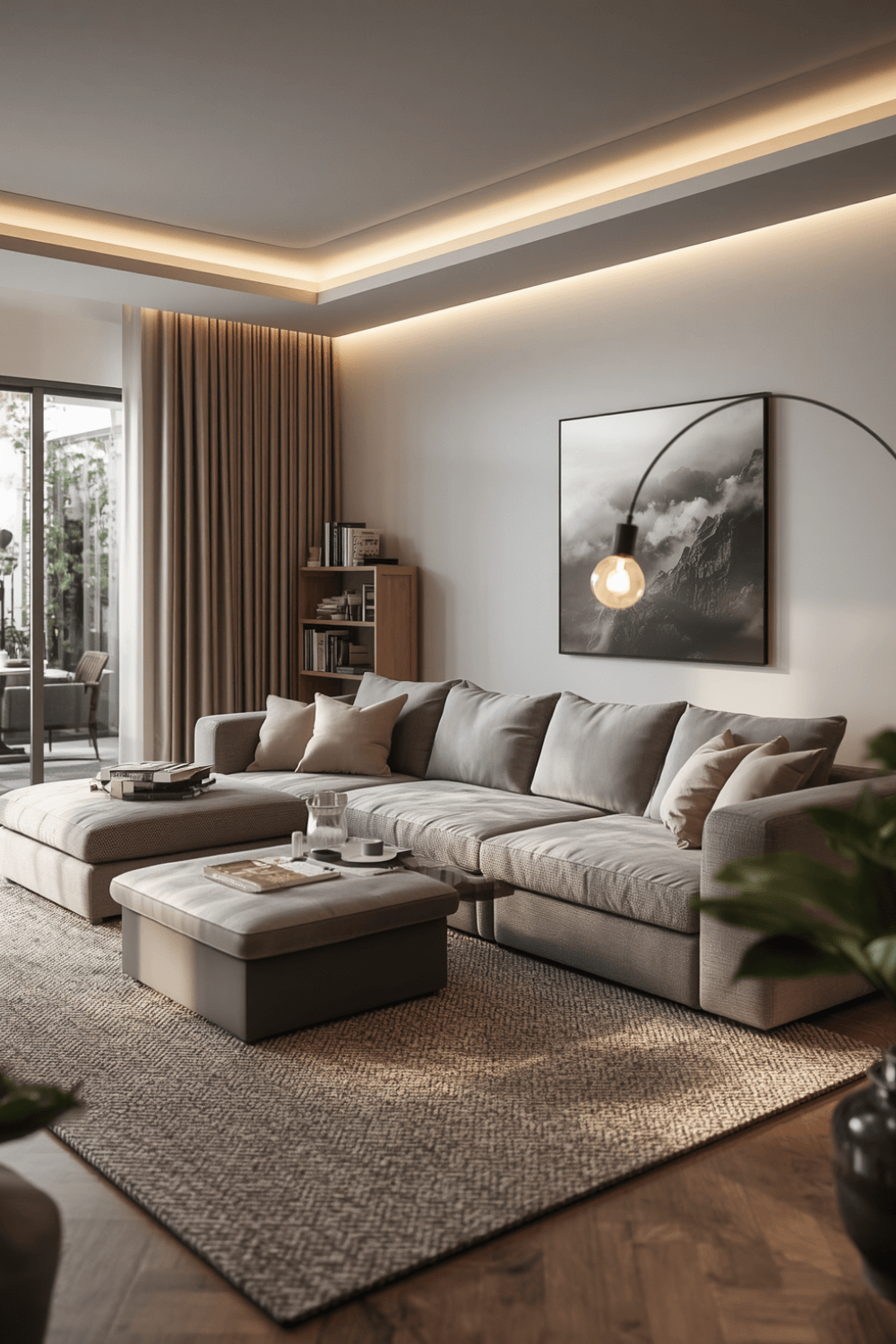
I added a small picture light above my main piece of art and plugged in LED strip lighting behind my media console for a subtle glow. These accent touches add visual interest and depth to the room, especially in the evening, without needing to increase the overall brightness.
5. Consider smart bulbs for easier control across multiple fixtures
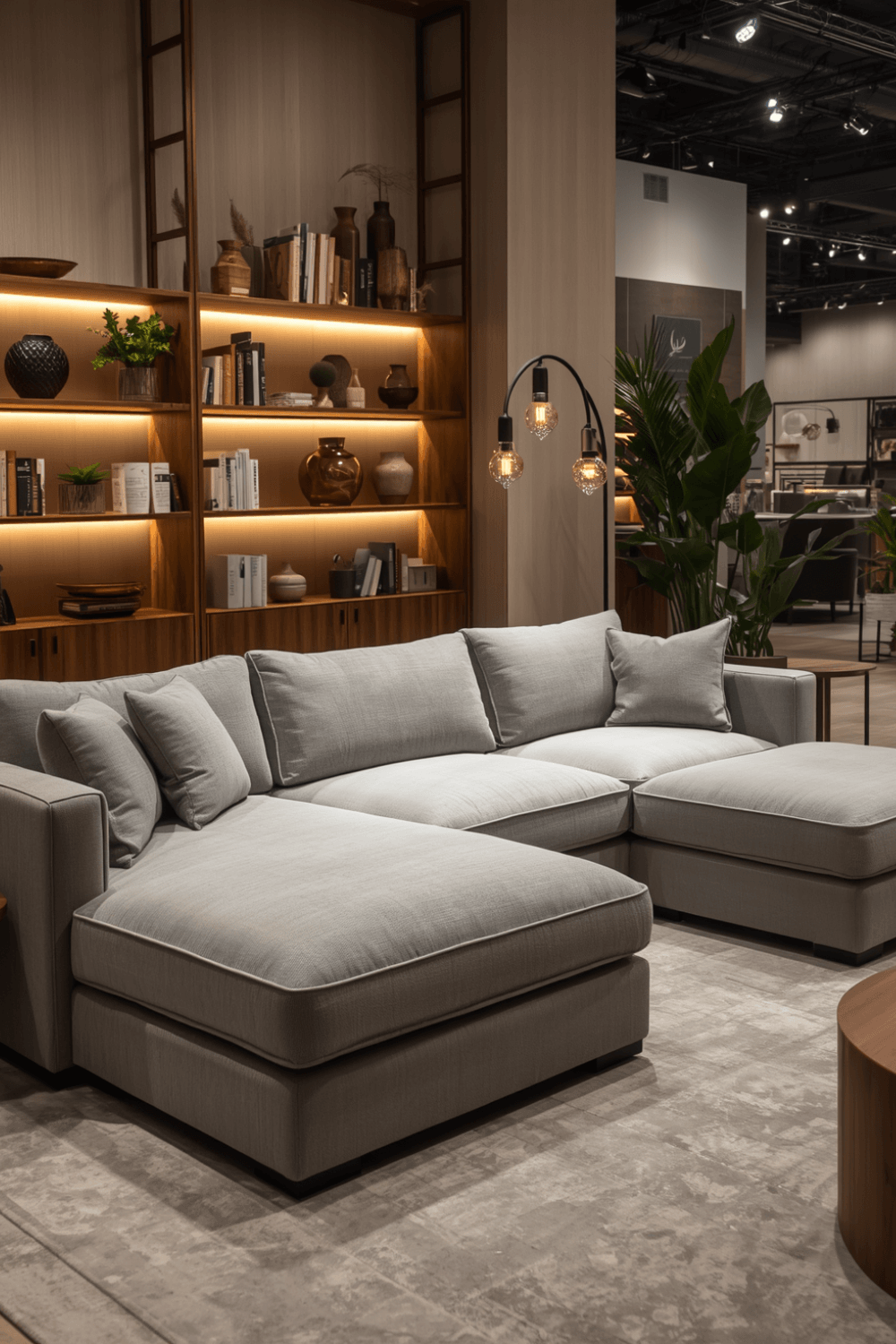
I switched several of my lamps to smart bulbs controlled through a basic app, which lets me adjust brightness and warmth across the whole room at once instead of manually adjusting each lamp. It’s been especially useful for quickly shifting the whole room’s mood for movie nights versus normal evening use.
6. Balance natural light during the day with layered lighting at night
I kept my window treatments light and sheer to maximize natural daylight, then rely entirely on the layered lamp and accent lighting once it gets dark. Thinking through both day and night lighting separately, rather than assuming one setup handles both, made a real difference in how the room feels at different times.
7. Position lamps to avoid glare on your TV or main seating sightline
I learned this one through trial and error, moving a lamp that kept creating an annoying glare on my TV screen during evening use. Positioning lamps slightly behind or to the side of your main seating and viewing angles avoids this problem while still providing plenty of ambient light.
Real Examples From People I Know
A friend with a small apartment living room added just two floor lamps in opposite corners of the room instead of using any table lamps, since her furniture layout didn’t leave much surface space. It still achieved that same layered, cozy effect using far fewer individual fixtures than my own setup.
Another friend went further with a full smart lighting system throughout her living room, including color-changing bulbs she uses occasionally for movie nights or gatherings. For daily use, though, she says she almost always keeps everything on a simple warm white setting, since that’s genuinely what feels most livable for everyday relaxing.
Common Mistakes to Avoid
Relying on a single overhead light for the entire room. It tends to feel flat and clinical, especially once natural light fades in the evening.
Choosing cool-toned bulbs for a space meant to feel relaxing. Warmer color temperatures generally create a cozier, more inviting atmosphere for living spaces.
Skipping dimmer switches when your fixtures actually support them. It’s a relatively small upgrade that adds significant flexibility for different times of day.
Ignoring lamp placement relative to your TV or main seating. Poor positioning can create distracting glare that undermines an otherwise well-lit room.
Treating lighting as an afterthought after furniture and decor decisions. Addressing lighting properly often makes a bigger visible difference than another round of furniture shopping.
Final Thoughts
My living room didn’t actually need three separate redecorating attempts, it needed proper lighting layered throughout the space instead of one fixture trying to do everything. The shift in mood once I added lamps at different heights and switched to warmer bulbs was honestly more noticeable than any furniture change I made before that.
If your living room still feels a little flat despite looking good on paper, start with lighting before buying anything new. Layer light at different heights, warm up your bulb temperature, and add a dimmer if you can. That combination alone might solve more than another round of decor shopping ever could.