
Luxury Marble Bathroom: What Nobody Tells You Before You Install It
Three weeks after my marble countertop went in, I set down a bottle of mouthwash for maybe ten minutes while I brushed my teeth. When I picked it up, there was a faint ring burned into the stone. Not a stain I could wipe off — an actual etch mark, permanently there.
That was my introduction to real marble. Nobody warned me it worked like that. I’d spent months saving up for this “luxury” upgrade, picturing something out of a five-star spa, and instead I was googling “how to fix marble etching” at midnight with a slightly panicked feeling in my stomach.
If you’re thinking about a marble bathroom, I want to give you the version of this conversation I wish I’d had before I signed off on the installation.
Marble Is Gorgeous, But It’s Not Low-Maintenance
This is the biggest misconception people have. Marble looks like the ultimate luxury finish because, honestly, it is. Nothing else has that natural veining and depth. But marble is a soft, porous stone, which means it reacts to acids, absorbs liquids if not sealed properly, and scratches more easily than people expect.
I didn’t fully understand “porous” until I lived with it. Toothpaste, perfume, even citrus-scented soap can leave a mark if it sits too long. That doesn’t mean skip marble — it means go in with your eyes open.
Step-by-Step: Getting a Marble Bathroom Right
1. Decide between real marble and marble-look alternatives
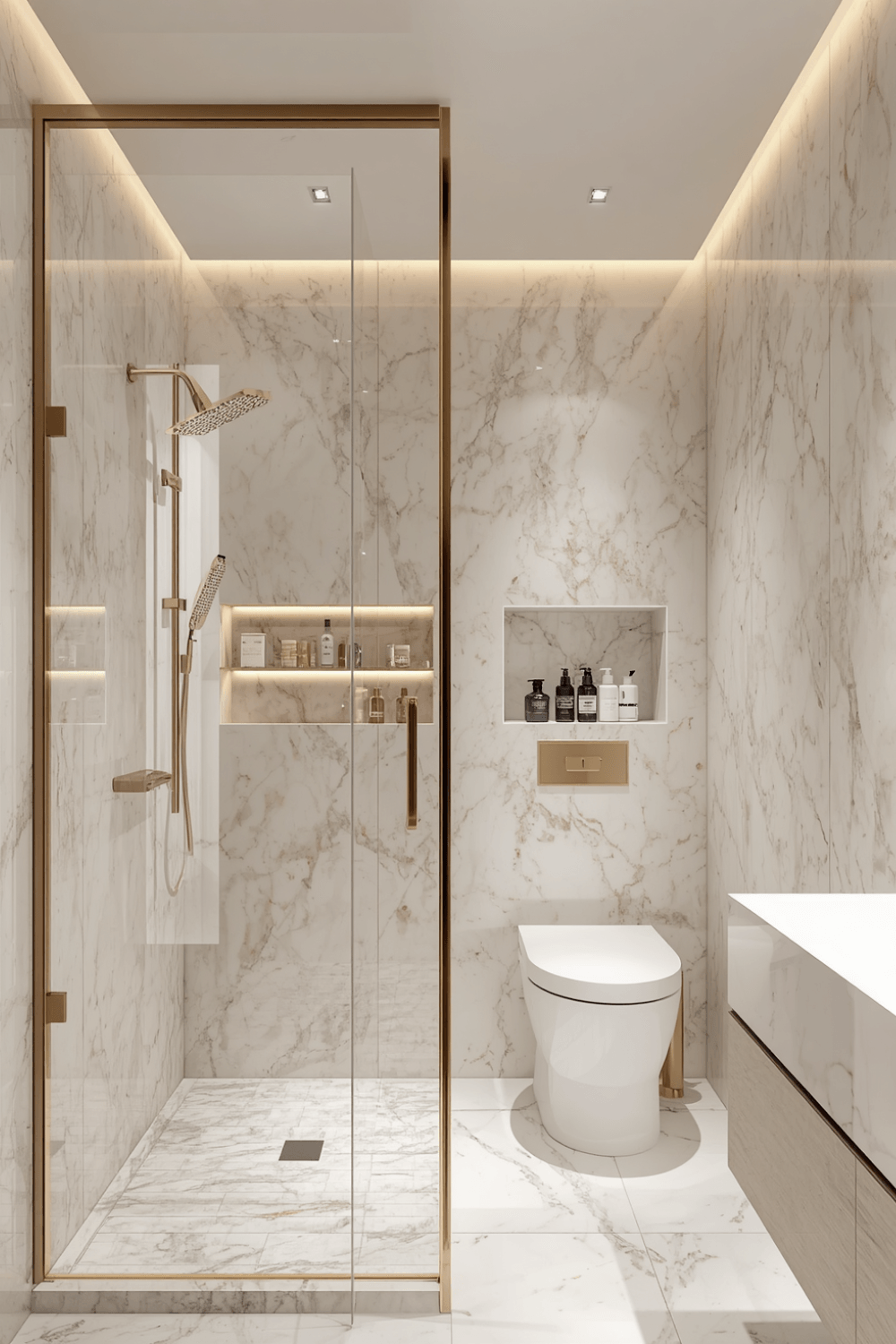
Real marble is stunning but high-maintenance. Porcelain tile or quartz with a marble pattern gives you almost the same look with way less babysitting. I ended up doing real marble on my vanity countertop (a smaller surface, easier to manage) and marble-look porcelain tile on the floor and shower walls, where spills and water exposure happen constantly.
2. Get it professionally sealed, then reseal on schedule
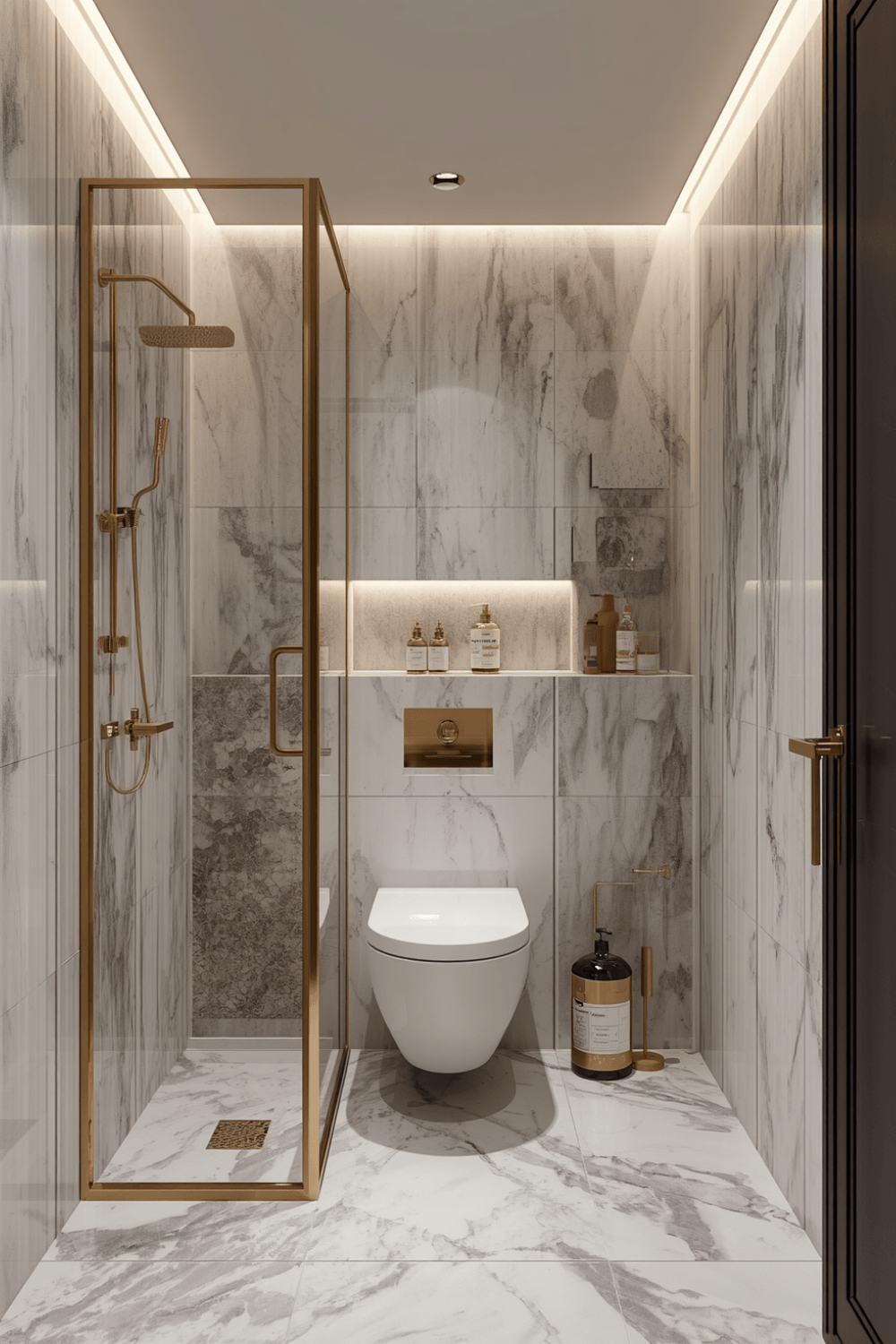
Don’t assume it’s sealed just because it’s installed. Ask your installer directly what sealant they used and how often it needs reapplying. Mine needed resealing every 6 to 12 months depending on usage. I now use a penetrating sealer from a brand called StoneTech, and I mark a reminder on my phone calendar so I don’t forget.
3. Wipe up spills immediately, especially acidic ones
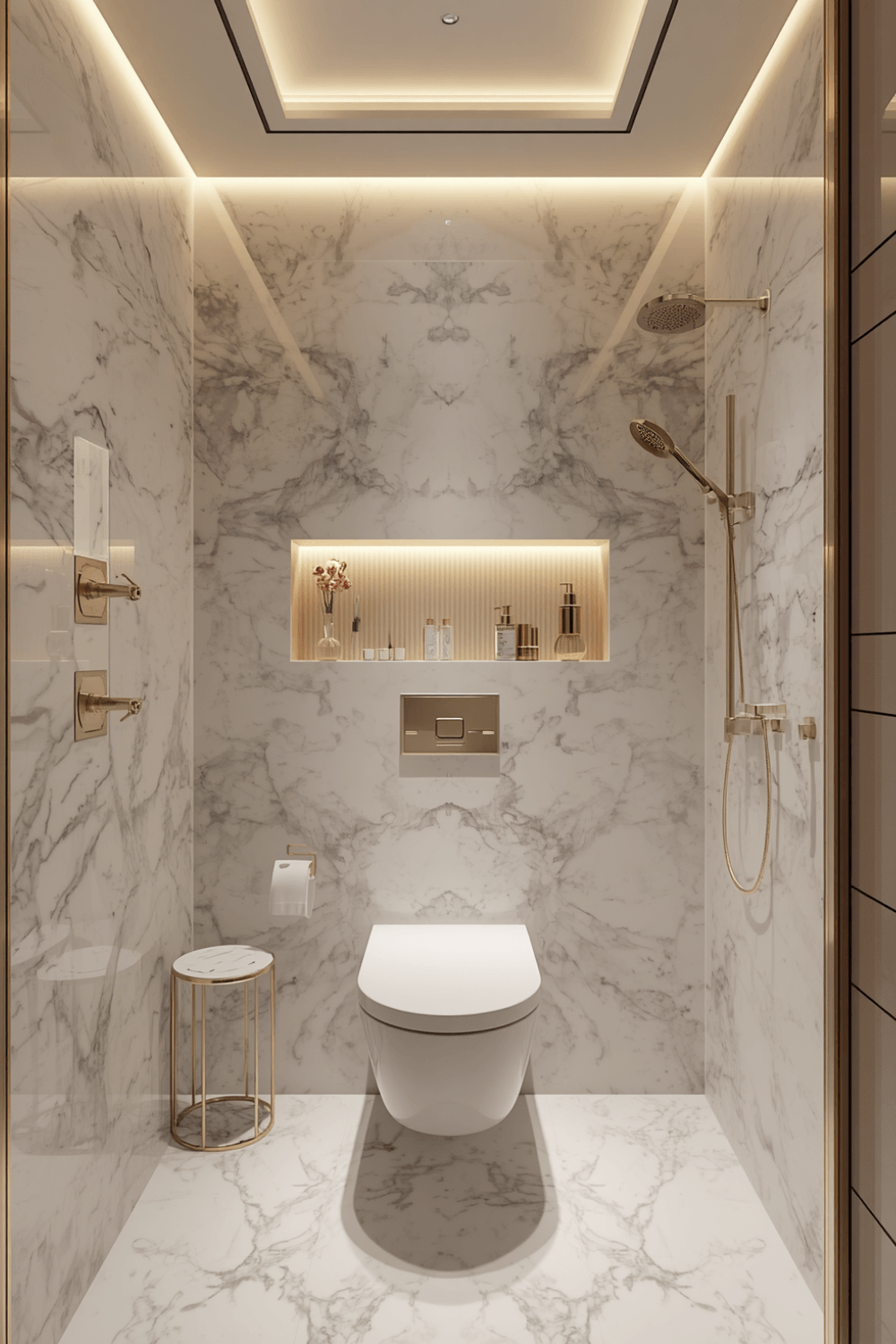
This became second nature after my mouthwash incident. Perfume, makeup, toothpaste, citrus-based products — anything with acid needs to come off the surface right away, not “in a few minutes.” I keep a small microfiber cloth right next to the sink now just for this.
4. Use pH-neutral cleaners only
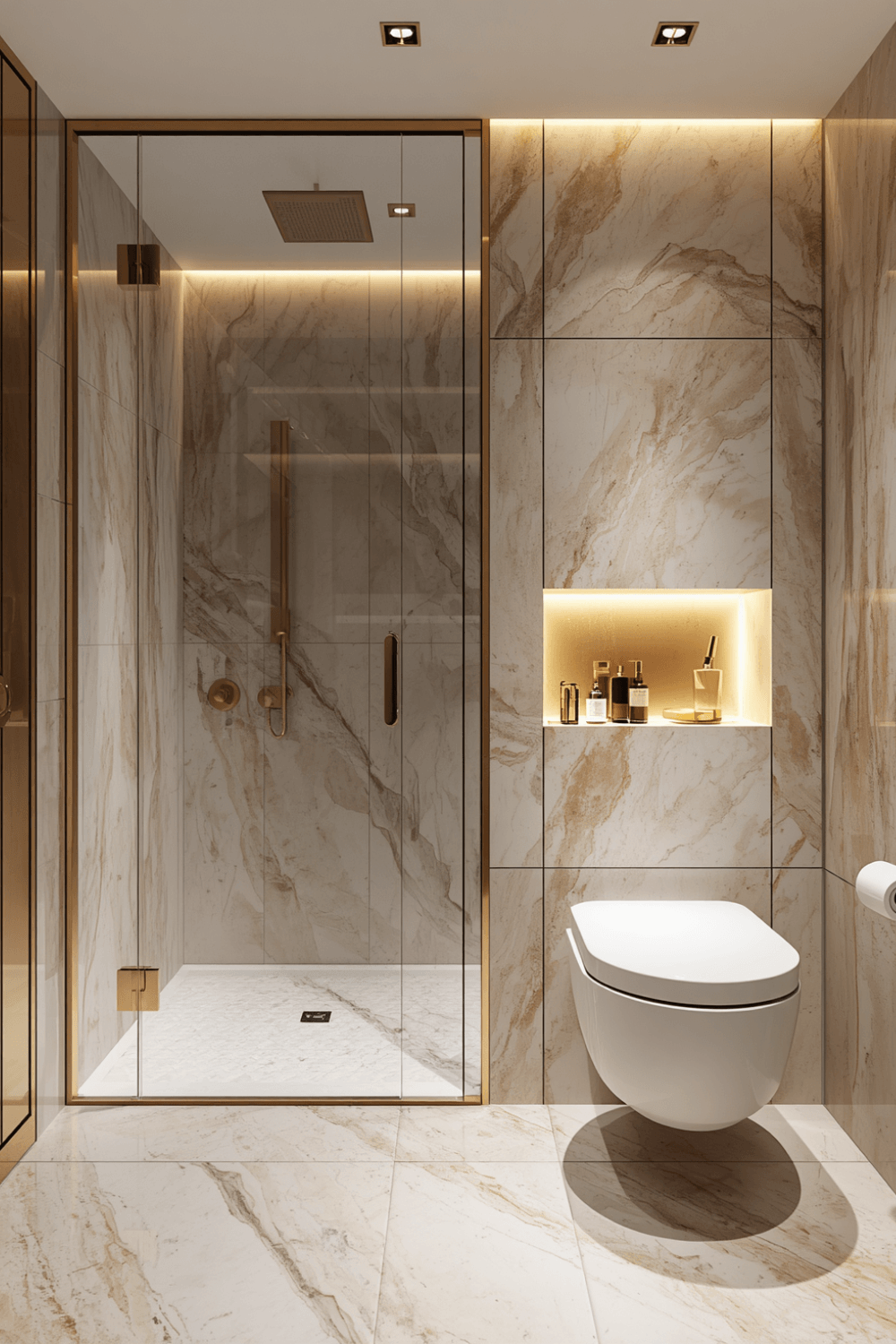
Skip anything labeled multi-surface or all-purpose unless it specifically says safe for natural stone. I switched to a simple pH-neutral stone cleaner and honestly, plain warm water with a soft cloth works fine for daily wiping too.
5. Add trays or mats under bottles and products

This one small habit saved me a lot of stress. I picked up a simple marble or acrylic tray to corral my bottles of mouthwash, perfume, and lotion so nothing sits directly on the countertop surface. It also just looks more organized and intentional, which fits the whole luxury vibe anyway.
6. Balance marble with warmer materials
An entire room in marble can feel cold and a little sterile, similar to what happens with all-white bathrooms. I added a wood vanity stool and a woven basket for towels to soften things up, and it made the space feel more lived-in instead of like a hotel lobby display.
7. Budget for upkeep, not just installation
People budget for the marble itself and completely forget the ongoing cost of sealants, specialty cleaners, and potential professional polishing down the line. Factor that in before you commit, especially if you’re on a strict renovation budget.
Real Examples From People I Know
A contractor I worked with told me about a client who used real marble on every single surface, including the shower floor. Within a year, the shower floor had visible etching from soap and shampoo runoff because it wasn’t resealed often enough. They ended up switching the floor to a marble-look porcelain tile instead, and it held up far better under constant water exposure.
On the flip side, a friend of mine did just a marble backsplash behind her vanity, kept the countertop as quartz, and gets nearly the same visual impact with almost none of the maintenance headache.
Common Mistakes to Avoid
Assuming marble is pre-sealed and low-maintenance. Ask directly and get a resealing schedule in writing if possible.
Using the wrong cleaning products. Acidic or abrasive cleaners are marble’s worst enemy. Stick to pH-neutral, stone-safe products only.
Putting marble everywhere, including high-water-exposure areas. Shower floors and tub surrounds take the most abuse. Consider marble-look tile in those spots instead.
Letting spills sit. Even a few minutes can leave a permanent mark. Keep a cloth nearby and get in the habit of wiping right away.
Forgetting the maintenance budget. Installation is just the beginning of the cost with real marble.
Final Thoughts
Marble earned its reputation for a reason — nothing else has quite the same look and feel. But it’s not a “set it and forget it” finish, and going in without knowing that led to a very avoidable mistake on my end.
If you’re considering it for your own bathroom, be selective about where you use real marble versus a marble-look alternative, get clear on the sealing schedule up front, and build the maintenance routine into your habits early. Once you do, it really does hold up to that luxury reputation.