
Modern Organic Living Room Ideas: How I Softened My Sharp, Cold Living Room
My living room used to look like a furniture showroom that nobody actually lived in. Straight lines everywhere, glass and metal surfaces, a black leather couch I bought because it “photographed well.” It looked fine in pictures and felt completely uninviting in real life. My own mom sat down once and said, “it’s nice, but it feels like I shouldn’t touch anything.”
That comment bothered me more than it should have. It took some research and a few swapped-out pieces before I landed on what people now call “organic modern” — basically modern design softened with natural shapes, materials, and texture. Here’s exactly what I changed and what actually made the difference.
What Organic Modern Actually Means
I see this term thrown around a lot without much explanation. In practice, it just means keeping the clean, uncluttered feel of modern design, but swapping out hard angles and cold materials for curves, wood, and natural texture. Think rounded furniture edges, woven materials, stone, and warm earthy tones instead of stark white and glossy black.
It’s less about a strict rulebook and more about a feeling — a room that still looks intentional and current, but doesn’t feel like you have to sit perfectly still on the couch.
My Biggest Mistake: Chasing “Modern” Without Any Warmth
I spent almost a year with an all-hard-surface living room because I thought that was what modern meant. Glass coffee table, metal-framed art, a rug with a sharp geometric print. Nothing about it invited anyone to relax. I’d catch myself doing homework or watching TV curled up on the floor with a blanket instead of actually using the couch.
The turning point was swapping that glass coffee table for a round wood one with slightly rough, organic edges. It sounds like a small change, but it softened the whole room instantly, and it became the first piece people actually put their feet up on.
Step-by-Step: Building a Modern Organic Living Room
1. Start by swapping one hard-edged piece for a curved one
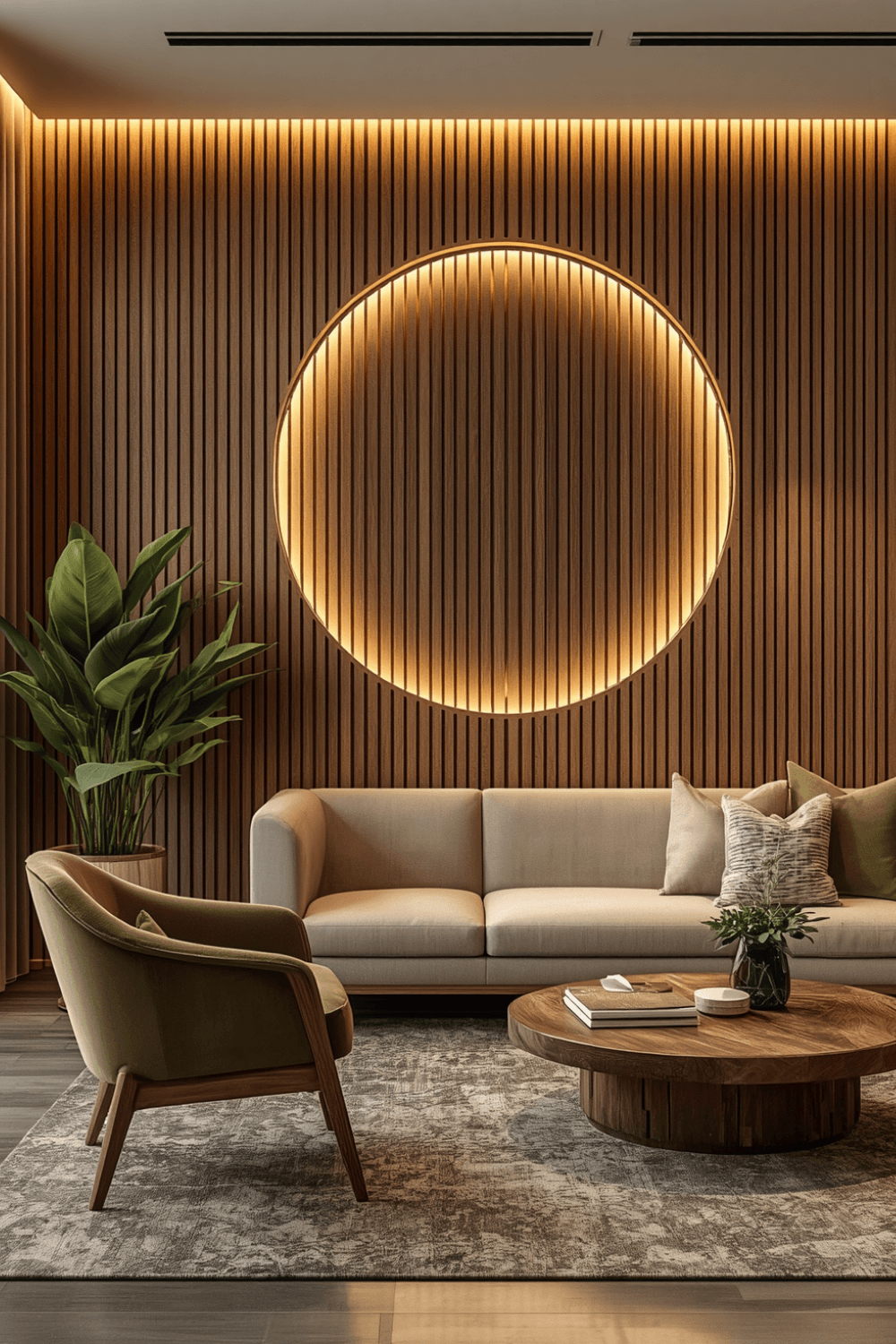
You don’t need to replace everything at once. I started with just the coffee table, then a year later swapped a rectangular accent chair for a rounded bouclé one. Each curved piece against the straighter lines of the room made a noticeable difference.
2. Bring in real wood, not just wood-look laminate
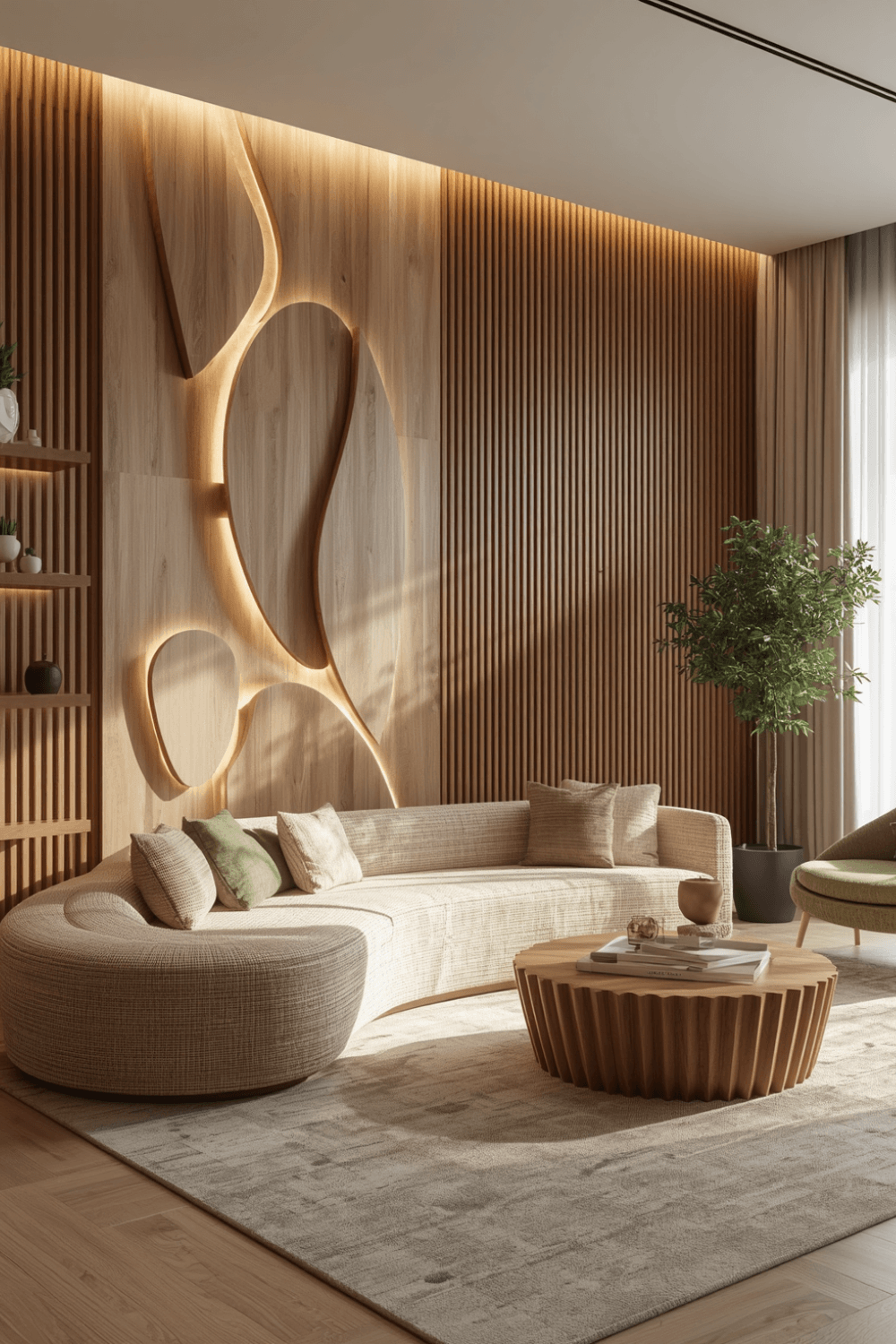
I know budget matters here, and laminate has its place, but even one or two solid wood pieces — mine is a live-edge console table — adds a texture and warmth that laminate just can’t fully replicate. If budget is tight, a small solid wood side table or a wood-framed mirror can do a lot of the same work.
3. Layer in woven and natural textures
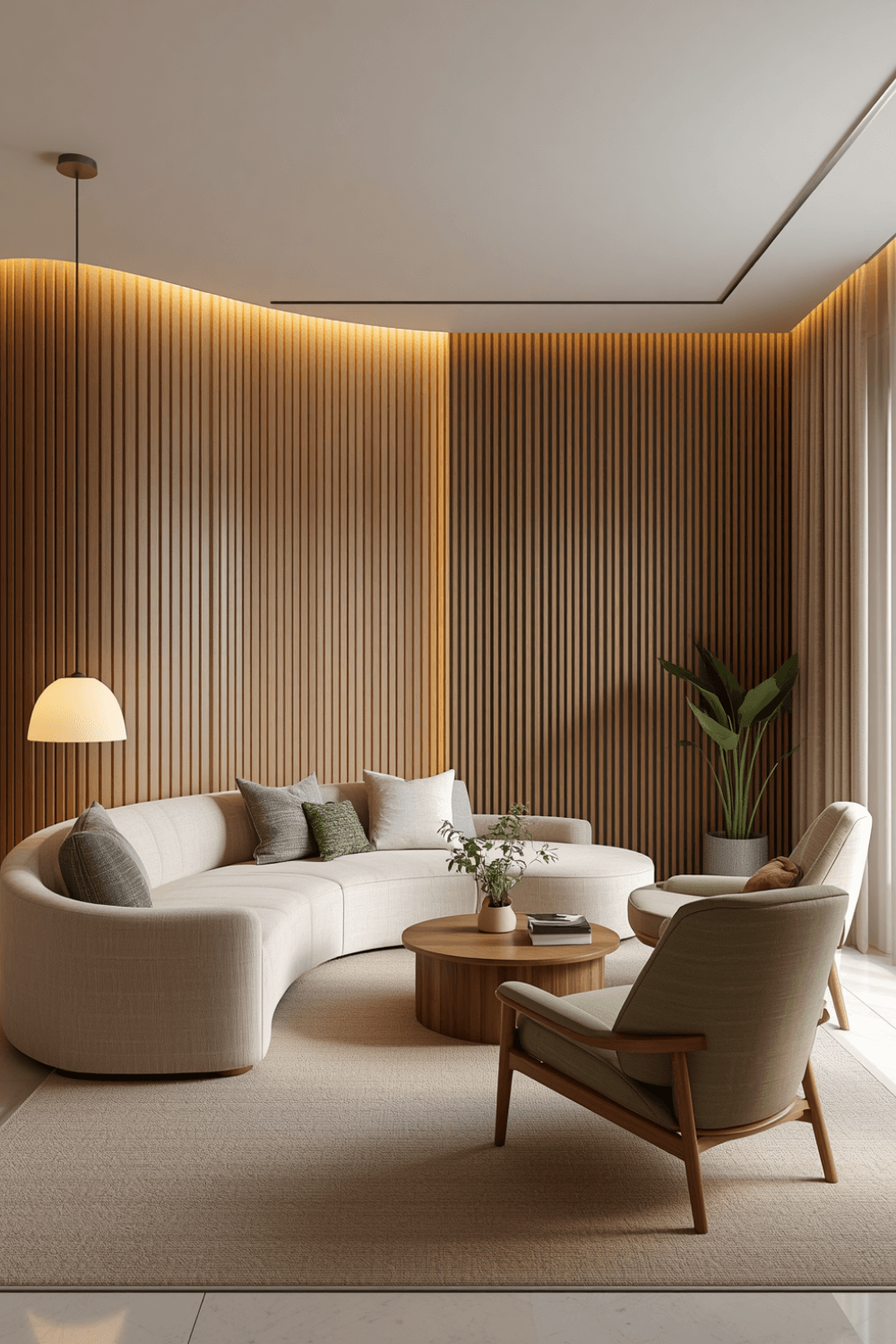
I added a jute rug, a rattan pendant light, and a woven basket for blankets. These textures catch light differently than smooth modern surfaces and instantly make a room feel more tactile and lived-in instead of staged.
4. Shift your color palette toward warm neutrals
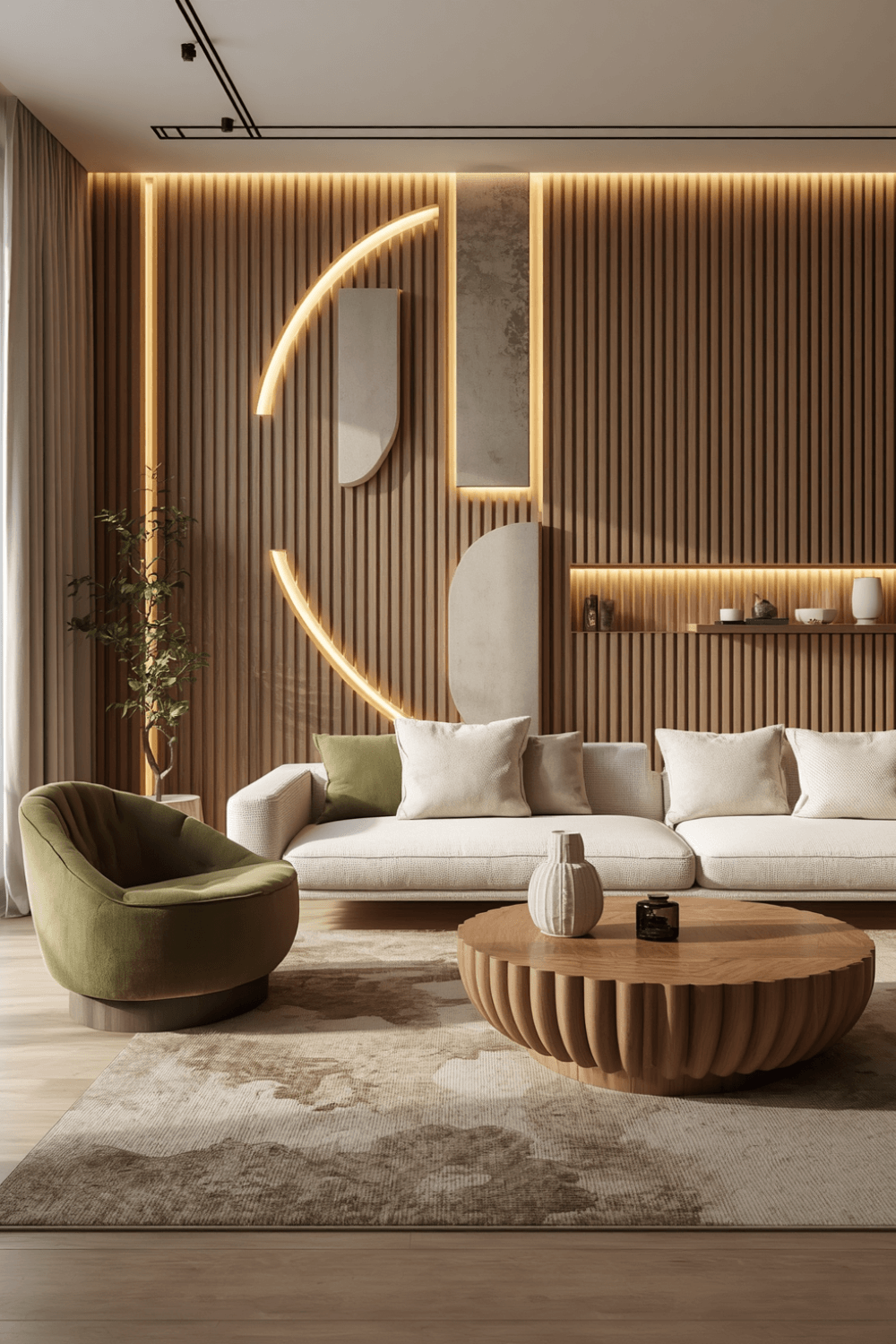
I repainted from a stark white to a warm oat color, and swapped my black accents for terracotta and deep olive green instead. Same overall “modern” restraint in the palette, just warmer undertones across the board.
5. Add plants with real presence, not tiny decorative ones
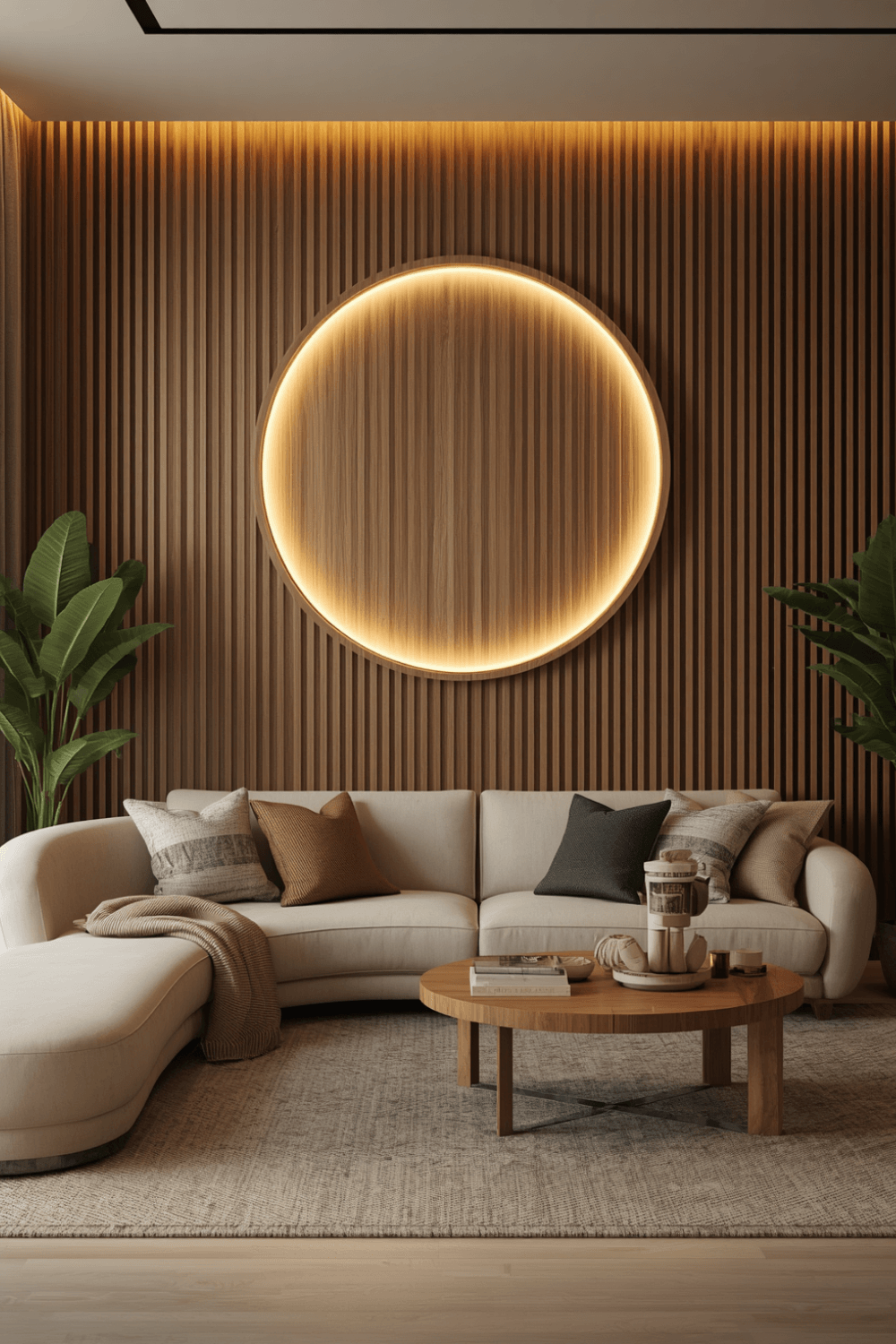
A couple of small succulents on a shelf didn’t do much for the space. I added one large fiddle leaf fig in the corner and a trailing pothos on a higher shelf, and the greenery alone softened the whole room in a way furniture changes couldn’t fully do on their own.
6. Choose lighting fixtures with organic shapes
I swapped a sharp geometric pendant light for a woven rattan one over my reading nook, and added a ceramic table lamp with a rounded, hand-thrown look instead of a straight metal one. Lighting fixtures are small details, but they carry a lot of visual weight in a room.
7. Keep the bones simple, let materials do the work
This was the hardest lesson for me. Organic modern isn’t about adding more stuff — it’s about choosing fewer, more textural pieces instead of layering endless patterns and colors. I actually removed a few decor items when I realized the room felt busier, not cozier, with everything in it.
Real Examples From People I Know
A friend transformed her apartment living room on a tight budget by focusing only on textiles — a chunky knit throw, a jute rug, and linen curtains — while keeping her existing modern furniture exactly as it was. The room went from feeling stiff to feeling genuinely relaxed with almost no furniture spending at all.
Another friend went bigger, replacing his entire straight-lined sectional with a curved bouclé sofa. It’s the single piece he says gets the most comments from guests, and he mentions it made the room feel finished in a way nothing else had.
Common Mistakes to Avoid
Assuming “modern” means only sharp lines and cold materials. That combination often reads as unfinished or uninviting rather than sophisticated.
Overdoing the earthy palette until it feels dark and heavy. Balance warm tones with enough lighter neutrals so the room still feels airy.
Buying tiny plants that get lost in the space. One or two larger plants usually have more visual impact than several small ones scattered around.
Adding texture without editing anything else out. Too many patterns and textures competing at once can undo the calm, intentional feeling you’re going for.
Ignoring lighting fixtures. Swapping just the pendant light or a lamp is one of the easiest, most affordable ways to shift the whole mood of a room.
Final Thoughts
My living room didn’t need a full renovation to stop feeling cold — it needed softer shapes, real materials, and a warmer palette layered onto the modern bones that were already there. The round coffee table swap alone changed how the whole room felt to actually sit in.
If your space feels a little too sharp or showroom-like right now, start small. Swap one hard-edged piece for something curved, add a real wood or woven texture, and see how much that alone shifts the feeling of the room before you commit to anything bigger.