
Small Cozy Living Room Ideas: What I Learned Trying to Make a Tiny Room Feel Warm Without Feeling Cramped
My small living room presented a genuinely frustrating design problem for a long time. Every time I added something to make it feel cozier, a heavier throw blanket, more pillows, a bigger rug, it also made the already tight room feel more cramped. And every time I pulled back to keep it feeling open and spacious, it ended up cold and a little sterile instead.
I spent way too long treating cozy and spacious like they were opposites I had to choose between. Eventually I figured out they’re not actually in competition, I just hadn’t learned the right techniques yet for getting both at once in a genuinely small footprint. Here’s what finally worked.
Cozy and Small Aren’t Actually in Conflict, But They Require Different Tricks
In a larger living room, you can add warmth pretty freely without worrying much about the room feeling closed in. In a small room, every cozy element takes up a bigger percentage of the total visual space, so the same techniques that work in bigger rooms can backfire and make a small room feel cluttered instead of warm.
Once I understood that small spaces need more selective, intentional coziness rather than just less of everything, my approach completely changed.
My Mistake: Treating Cozy as “More,” Instead of “Better Chosen”
My early attempts just kept adding things. More pillows, another blanket, a second small rug layered over the first one. Individually, each item added warmth. Together, they made my already tight room feel genuinely cluttered and harder to actually move through comfortably.
I ended up removing about a third of what I’d added and being much more selective about what stayed, and the room actually felt cozier with less in it, not more, once everything had breathing room again.
Step-by-Step: Creating a Small Living Room That’s Cozy Without Feeling Cramped
1. Choose fewer, more impactful textile pieces
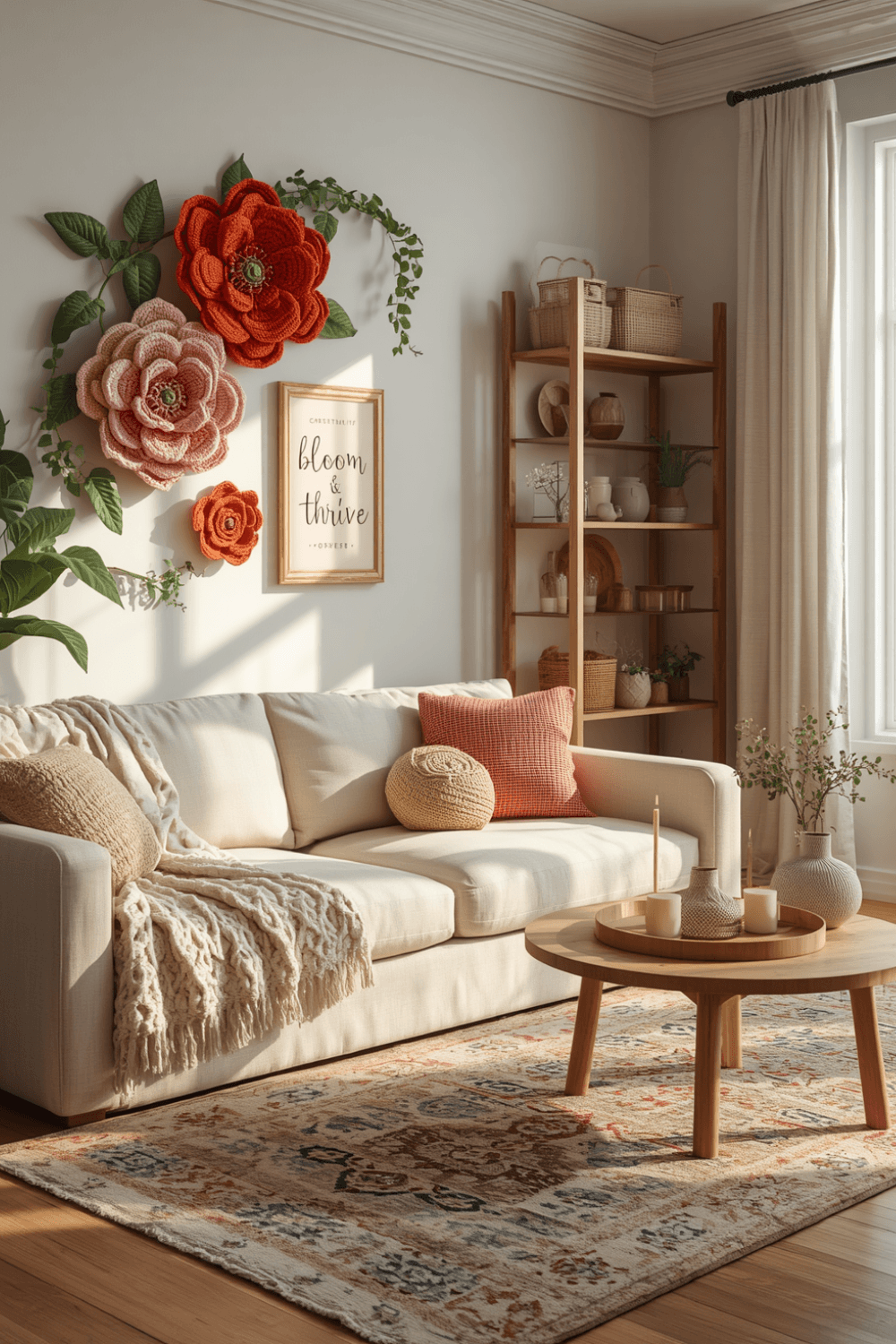 Instead of scattering five different throw pillows and two blankets around, I settled on two coordinating pillows and one substantial, high-quality throw blanket. Fewer well-chosen textile pieces read as intentional coziness, while too many small pieces just reads as clutter in a tight space.
2. Use a rug that fits the room’s actual scale
My original rug was too small for the space, which oddly made the room feel both cluttered and unfinished at the same time. I sized up to a rug that extends under the front legs of my main seating, which grounds the room properly without needing to add more small decor items to fill the perceived gaps.
3. Prioritize warm lighting over warm decor volume
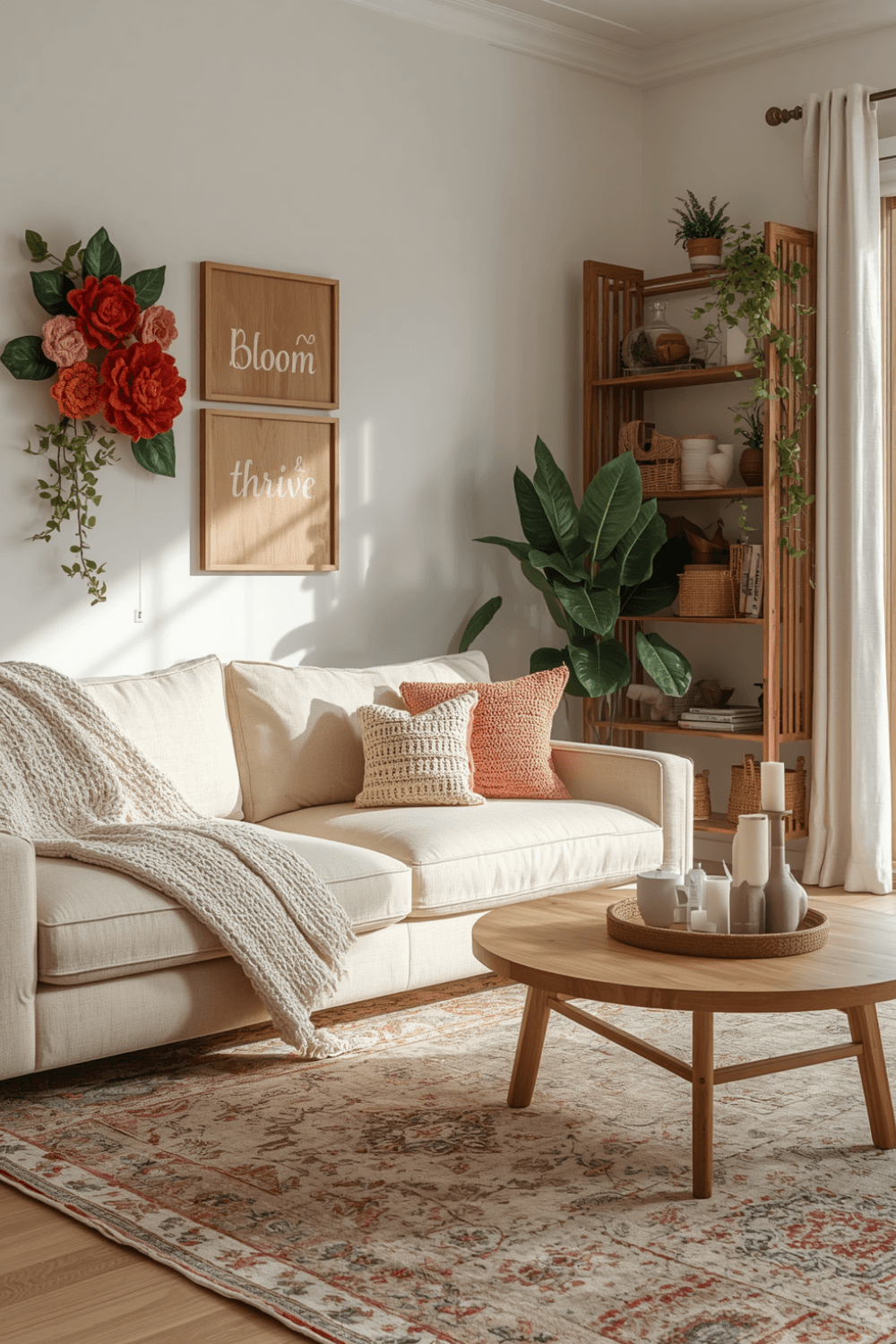
I focused a lot of my “cozy budget” on lighting instead of more textiles, adding a warm-toned floor lamp and a table lamp with a soft fabric shade. Warm lighting does a huge amount of the emotional work in making a room feel inviting, without taking up nearly as much physical space as more blankets and pillows would.
4. Choose furniture with visible legs to keep the floor feeling open
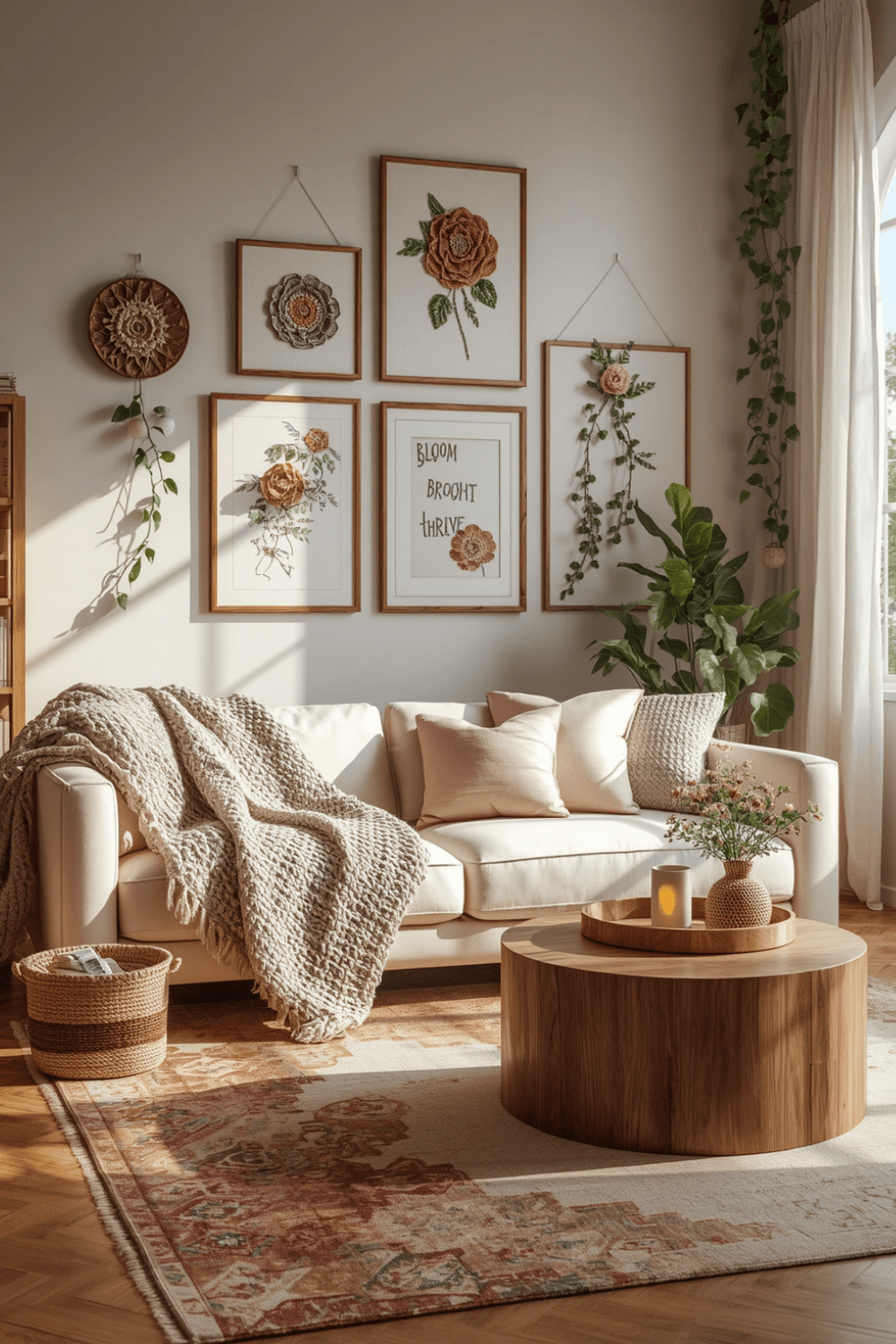
I kept this trick from my broader small living room approach, but it matters even more here specifically for balancing coziness. Furniture that shows the floor underneath reads as lighter, which gives you more visual room to add warmth elsewhere without the whole space feeling weighed down.
5. Layer texture through material choice, not just quantity
I added one chunky knit pillow, one smooth velvet pillow, and kept my throw blanket in a nubby, textured knit fabric. That variety in texture creates visual and tactile interest without needing to add more individual items to the room.
6. Use a warm, muted color palette instead of stark white or cool tones
I repainted from a cooler white to a warmer oat tone, which made a genuinely noticeable difference in how inviting the small space felt, even before adding any cozy textiles at all. Warmer wall colors do some of the cozy work on their own, freeing you up to add less clutter elsewhere.
7. Add one meaningful cozy detail instead of several small ones
I added a single lit candle in a nice holder on my coffee table instead of a cluster of small decorative objects. One intentional detail in a small space tends to read as curated, while several competing small items can tip into visual clutter fast.
Real Examples From People I Know
A friend in an even smaller studio living space focused her entire cozy strategy on lighting and one oversized floor cushion instead of traditional furniture layering, since she genuinely didn’t have room for multiple cozy elements competing for space. It reads as warm and intentional specifically because she committed to fewer, bigger choices.
Another friend used a single large, textured area rug and warm wall color as her main cozy strategy, keeping her actual furniture and accessories fairly minimal. She says people are consistently surprised how warm her small living room feels despite how little “stuff” is actually in it.
Common Mistakes to Avoid
Adding more and more textiles without editing anything out. In a small room, this reads as clutter fast rather than accumulating warmth.
Using a rug that’s too small for the actual seating area. It tends to make a small room feel both cluttered and unfinished simultaneously.
Relying only on textiles for coziness while ignoring lighting. Warm lighting does significant emotional work without taking up physical space the way more blankets and pillows do.
Choosing bulky, skirted furniture in an attempt to look cozier. It usually makes a small room feel heavier and more cramped instead of warmer.
Adding several small decorative objects instead of one meaningful piece. A single intentional detail often reads as more curated than a cluttered collection of smaller items.
Final Thoughts
My small living room taught me that cozy isn’t about volume, it’s about choosing warmth intentionally so it doesn’t compete with the limited space you’re working with. Once I stopped adding more and started choosing better, the room finally felt both warm and comfortably open at the same time.
If you’re working with a small living room of your own, focus your cozy budget on lighting and a few well-chosen textural pieces rather than piling on more items. That shift from more to better chosen is really what let mine feel genuinely cozy without ever feeling cramped.